












Foyer Rugs: The Complete Guide to Choosing the Perfect Entryway Rug
Share
Choosing the right foyer rug is the fastest way to make a strong first impression the moment someone steps through your front door. A well-picked foyer rug protects your floors from grit and summer moisture, defines the entryway, and sets the tone for the rest of your home — all while quietly doing the hardest-working job of any rug in the house. In this guide you'll learn how to size foyer rugs correctly, which materials survive heavy foot traffic, how to choose colours that hide dirt, and how to layer, clean, and shop for the perfect entryway piece without overspending.
The foyer is a deceptively demanding space. It absorbs tracked-in sand, rain, road salt, and the first few steps of every guest, delivery, and family member. That means the rug you place there needs to balance beauty with brawn — pretty enough to greet visitors, tough enough to shrug off daily abuse. Get it right and your entryway feels intentional and welcoming; get it wrong and you'll be replacing a matted, stained rug within a year.
Why the Foyer Rug Works Harder Than Any Other Rug
Every rug in your home has a job, but the foyer rug has the toughest shift. It's the first line of defence against everything the outside world brings in: dirt, pollen, grass clippings in summer, slush and salt in winter, and the constant pivot-and-turn of people stopping to remove shoes or set down bags. Living room rugs might see gentle daily use; foyer rugs can absorb dozens of footsteps an hour during busy stretches.
Because of this, the foyer rug ages faster than anything else you own. High-traffic wear shows up first at the pivot points near the door and along the main walking path. That's why material choice and pile height matter more here than in any other room. A low-pile, densely constructed rug will look fresh far longer than a plush shag that crushes and traps grit. If you love the look of the entry rug you choose, invest in a rug pad with non-slip backing underneath — it prevents dangerous slips on hard flooring and adds cushioning that extends the rug's lifespan. Our guide on why you need a rug pad for your area rug explains exactly how much extra life a good pad buys you.
Getting Foyer Rug Size Right
Size is where most foyer rugs go wrong. Too small and the rug looks like a stamp lost in the space; too large and it crowds the door swing or bunches against the baseboards. The right size depends entirely on your entry's shape and how the door opens.
For a standard rectangular foyer, aim to leave 4 to 8 inches of bare floor visible around the rug so it reads as a deliberate anchor rather than wall-to-wall carpet. In a narrow entry hall, a runner is almost always the answer — it guides the eye and the feet down the corridor. For a grand two-storey foyer, a round rug centred under a light fixture creates a beautiful focal point.
| Foyer Type | Recommended Size | Best Shape |
|---|---|---|
| Small apartment entry | 3'×5' or 2'×3' | Rectangle |
| Standard front entry | 4'×6' or 5'×7' | Rectangle |
| Narrow hallway entry | 2'×6' or 2'×8' | Runner |
| Grand / two-storey foyer | 6' round or 8'×10' | Round or rectangle |
Always measure your door swing before buying. The door should clear the rug's pile without catching — a common reason plush entry rugs fail. Browse dedicated runner rugs for long entries, or the 3'×5' area rugs collection for compact front doors.
Best Materials for a High-Traffic Foyer
Material is the single biggest predictor of how long foyer rugs last. The entry demands fibres that resist crushing, release dirt easily, and — especially through humid summer months — dry quickly and resist mildew.
Polypropylene (also called olefin) is the workhorse of entry rugs. It's stain-resistant, fade-resistant, budget-friendly, and cleans up with a damp cloth. Wool is the premium choice: naturally durable, it hides soil beautifully and springs back from foot traffic, though it costs more and dries slower if soaked. Flatweave cotton rugs are a smart middle ground — many are machine washable, which is a huge advantage for a rug that gets dirty this often. For an eco-minded entry, jute and other natural fibres bring gorgeous texture, but they dislike moisture, so keep them out of rainy or snowy entries.
For summer specifically, lean toward low-pile, easy-clean constructions that shed tracked-in sand and pool water. A machine washable rug is arguably the ideal foyer solution — toss it in the wash when the season's grime builds up and it looks new again. If you want the honest pros and cons of each fibre, our breakdown of the best materials for living room area rugs on hardwood floors applies directly to entryways too.
Colours and Patterns That Hide Dirt
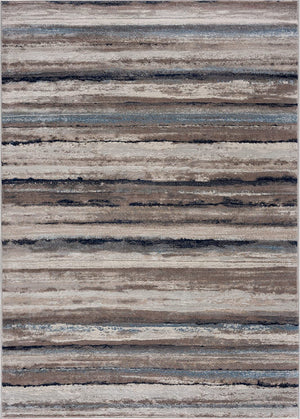
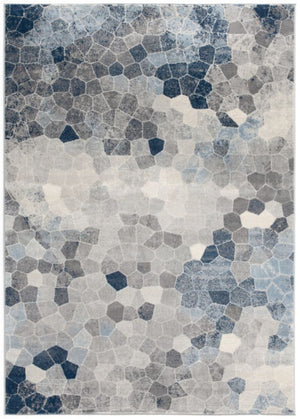
A foyer rug in solid cream will look stunning for exactly one week. In the highest-traffic spot in your home, colour and pattern are practical decisions, not just aesthetic ones. Busy, mid-tone, and multi-coloured patterns disguise the inevitable dirt between cleanings far better than pale solids or very dark colours (which show every speck of lint and dust).
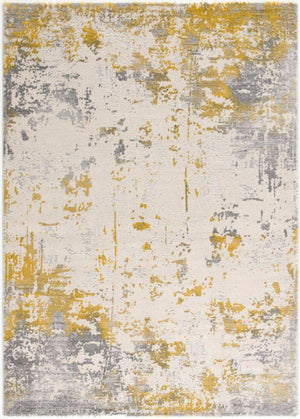
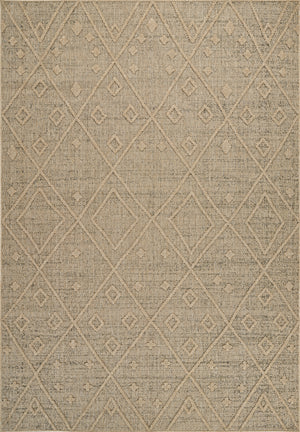
Think medium greys, warm taupes, terracotta, navy, and richly patterned bohemian or Persian designs. Geometric and tribal motifs are especially forgiving because the pattern breaks up footprints and soil. If your entry gets strong afternoon sun through a sidelight or transom window, prioritise fade-resistant fibres and colours so the rug doesn't bleach unevenly over a summer of bright light.
Patterns also let you set the tone for your whole home the instant guests arrive. A Persian rug signals timeless elegance; a bohemian rug reads relaxed and artistic; a clean geometric rug feels modern and crisp. Because the foyer is small, this is a low-risk place to try a bolder pattern than you'd commit to in a large living room.
Layering and Styling Your Entryway
Layering isn't just for living rooms. A small patterned rug layered over a larger natural-fibre base — jute under a Persian, for instance — adds depth and a designer touch to an entry that might otherwise feel flat. It also lets you swap the top rug seasonally: a warmer, plusher layer in winter, a lighter flatweave in summer.
Coordinate your foyer rug with the nearest visible elements: a console table, a bench, the stair runner, or the flooring in the adjoining room. You don't need a perfect match — an echo of one colour is enough to make the space feel cohesive. Keep scale in mind, too. In a tight entry, a low-profile flatweave keeps the door swinging freely and the transition into the next room seamless. For more on getting colour coordination right, see our guide on how to choose the right area rug colour.
Keeping Your Foyer Rug Clean
Because foyer rugs catch more dirt than anything else in the house, they need the most maintenance — but a simple routine keeps them looking sharp for years. Vacuum at least twice a week to lift grit before it grinds into the fibres and dulls them. Shake out or beat smaller rugs weekly during high-traffic summer months. Blot spills immediately rather than rubbing, which pushes stains deeper.
A washable entry rug simplifies everything: pull it up, wash it, and it's restored. For non-washable rugs, spot-clean with a mild solution and deep-clean seasonally. Our full area rug cleaning tips walk through the process fibre by fibre. Placing a coir doormat outside and a washable rug inside creates a two-stage dirt trap that dramatically cuts how much soil ever reaches your main floors.
What a Good Foyer Rug Costs
You don't need to spend a fortune to get an entry rug that performs. Because foyer rugs are usually small, they're one of the most affordable upgrades in the home. A compact 3'×5' or 4'×6' entry rug typically starts around $39–$79, while a 5'×7' for a larger foyer runs roughly $79–$149. Runner rugs for hallway entries fall in the $49–$129 range, and a quality non-slip rug pad adds just $29–$79.
Given how hard this rug works and how visible it is, the foyer is a place where spending a little more on a durable, easy-clean fibre pays off. Explore budget-friendly options across the best sellers collection, where the most proven high-traffic designs live. Every order ships free with easy returns, so you can see the rug in your actual entry light before committing.
Frequently Asked Questions
Q: What size rug should I put in my foyer? A: For most front entries, a 3'×5' or 4'×6' rug works well, leaving 4 to 8 inches of bare floor around it. Narrow hallway entries suit a 2'×6' or 2'×8' runner, while grand two-storey foyers can carry a 6' round or 8'×10' rug. Always measure your door swing first so the door clears the pile without catching.
Q: What is the most durable material for a foyer rug? A: Polypropylene is the toughest budget option — stain-resistant, fade-resistant, and easy to wipe clean. Wool is the premium durable choice, naturally hiding soil and bouncing back from foot traffic. For the easiest maintenance, a low-pile machine washable cotton rug lets you refresh it whenever summer grime builds up.
Q: Should a foyer rug match the living room rug? A: They don't need to match exactly, but they should relate. Echo one shared colour or stay within the same tone family so the transition between spaces feels intentional. Contrasting patterns are fine as long as the palettes coordinate. In open-plan homes, keeping a consistent colour thread makes the whole floor feel unified.
Q: How do I stop my foyer rug from sliding on hardwood? A: Always use a non-slip rug pad sized slightly smaller than the rug. It grips the floor, prevents dangerous slips in a high-traffic entry, and cushions the rug so it wears more slowly. A good pad also stops the rug from creeping toward the door every time someone walks over it.
Q: What colour foyer rug hides dirt best? A: On foyer rugs, medium tones and busy patterns hide dirt best — think grey, taupe, terracotta, navy, and multi-coloured bohemian or Persian designs. Avoid pale solids, which show every footprint, and very dark solids, which reveal lint and dust. Patterned rugs break up soil visually and stay looking clean far longer between washes.
Final Thoughts
Your foyer rug sets the tone for your entire home and takes more abuse than any other rug you own, so choose it with both beauty and durability in mind. Remember three things: size it to leave a border of bare floor and clear the door swing, pick a low-pile, easy-clean fibre — washable if you can — and choose a mid-tone or patterned design that hides the dirt this space inevitably collects. With a good rug pad underneath and a simple cleaning routine, the right entry rug will greet your guests beautifully for years. Ready to find yours? Browse the full all rugs collection at Rug Branch, with free shipping and easy returns on every order.