












Compact Area Rugs: How to Choose the Right Small Rug
Share
Compact area rugs are simply smaller-format rugs — roughly 2x3, 3x5, 4x6 and slim runners — that define a zone without swallowing the floor. Choosing the right one comes down to three things: pick a size that matches the furniture it sits under, keep the pile low so a tight room still feels open, and anchor it with a rug pad. This guide walks through sizing, materials, placement and the mistakes that make a small rug look like an afterthought.
What counts as a compact area rug?
There is no official cutoff, but in practice compact area rugs cover the smaller end of the size chart: accent pieces around 2x3 and 3x5, apartment-friendly 4x6s, and long, narrow runners for halls and kitchens. These are the sizes you reach for when a room is snug, when you want to highlight a single piece of furniture, or when a full room-sized rug would crowd the walkways.
The appeal is flexibility. A small rug can travel with you between apartments, layer over a larger neutral base, or soften a spot that a big rug would never reach — the landing beside a bed, the strip in front of the sink, or the square under a reading chair. Because they use less material, compact area rugs are also the easiest way to add pattern or color to a room without a big-ticket commitment.
How to choose the right size
Sizing is where compact area rugs succeed or fall flat. The single rule that saves most people: at least the front legs of the furniture should rest on the rug, not float just off the edge. A rug that stops short of the furniture visually chops the room into pieces and reads as too small even when it is technically fine.
Before you buy, tape it out. Use painter’s tape to mark the exact footprint of the size you are considering directly on the floor, then live with it for a day. You will quickly see whether a 3x5 leaves your chair stranded or a 4x6 crowds the coffee table. Aim to leave a border of exposed floor — a hand’s width or so — between the rug and the nearest wall so the space still breathes.
As a starting point: a 2x3 suits a doorway or the front of a kitchen sink; a 3x5 works under a single accent chair or at the foot of a bed; a 4x6 covers most of a small apartment living area or sits comfortably beneath a compact seating group; and a runner keeps a narrow hallway or galley kitchen grounded and slip-free.
Materials and construction that suit small spaces
In a tight room, keep the pile low. Thick, shaggy rugs add visual weight and height that make a small floor feel busier and lower, while a flatweave or low-pile rug keeps the surface clean and the room feeling larger. Low pile is also practical: it slides under doors that swing over it and shows fewer footprints in a high-traffic corner.
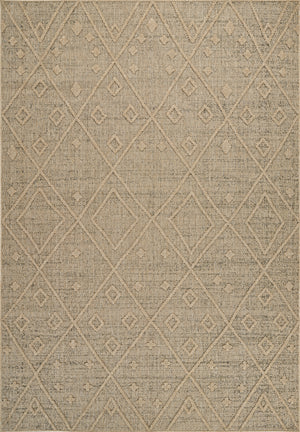
Fiber matters for how the rug wears. Loom-made polypropylene is the workhorse for compact area rugs — it resists stains, shrugs off fading in sunny windows, and wipes clean, which is exactly what you want for an entry mat or a spot that sees daily traffic. At Rug Branch, the woven-in-Turkey Eloria Oriental Modern Beige Indoor Rug is a good example: loom-made, low-maintenance, and offered in compact formats like 2x5, 2x8 and 4x6, starting from $44.99 at the time of writing. If you prefer a subtle grid instead of a medallion, the checkered Seranova Checkered Modern Beige Indoor Rug shares that same construction and the same small-size options.
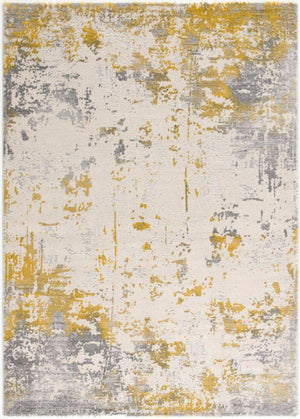
If you want a little softness underfoot in a low-traffic nook, a subtler pattern reads calmer in a small space than a large, busy motif. A quiet abstract like the Velora Abstract Modern Beige Indoor Rug adds texture without shrinking the room, and its neutral palette makes it easy to layer or swap seasonally.
Placement ideas, room by room
Compact area rugs earn their keep in the spots a big rug can’t serve well:
- Entryway: a 2x3 or 3x5 catches grit at the door and signals “this is where shoes come off.” Choose a low pile so the door clears it.
- Bedside: place a runner or a 3x5 along the side of the bed so your feet land on something soft each morning.
- Kitchen: a runner in front of the sink or stove cushions your stance and protects the floor from splashes.
- Reading corner: tuck a 3x5 or 4x6 under a chair and ottoman to carve a cozy zone out of open-plan space.
- Layering: float a small patterned rug over a larger neutral one to add depth without buying a second big rug.
For long, narrow zones, browse the Rug Runners collection, where slim formats are built for hallways, kitchens and bedsides.
Care and the rug pad you shouldn’t skip
The most common mistake with small rugs is skipping the pad. A compact rug is light, so it slides, bunches and curls at the corners far more than a heavy room-sized rug — a genuine trip hazard in a doorway or hallway. A gripping pad keeps the rug flat, adds a bit of cushion, and spreads foot traffic so the fibers wear evenly. Rug Branch’s Non-Slip Rug Pads are cut for smaller sizes and stop the shifting before it starts.
Otherwise, care is easy at this scale. Vacuum on a low or bare-floor setting, blot spills quickly rather than rubbing, and rotate the rug now and then so any sun-facing edge fades evenly. A low-pile polypropylene rug can usually be spot-cleaned with mild soap and water, which makes compact area rugs a low-stress choice for busy entries and kitchens.
Mistakes to avoid
Two errors account for most disappointing small rugs. The first is going too small out of caution: when a rug floats in the middle of the floor with furniture off its edges, the room looks more cramped, not less — when you are between two sizes, size up. The second is high pile in a tight space, which piles on visual weight and makes the floor feel lower. Keep it flat, keep the border modest, and let the rug connect the furniture rather than sit apart from it.
Frequently asked questions
What is the most useful size for a small living room?
A 4x6 covers most of an apartment-size living area and lets the front legs of a compact sofa and chairs rest on the rug, which pulls the seating together. If the room is very small or you are layering, a 3x5 under a single chair or coffee table still reads intentional.
Do compact area rugs really need a rug pad?
Yes — more than large rugs do. Their light weight means they slide and curl easily, so a non-slip pad is the difference between a rug that stays put and one that bunches into a hazard. It also cushions the step and helps the rug last longer.
Are small rugs a good budget choice?
They are one of the most affordable ways to update a room. Because they use less material, compact area rugs cost less than room-sized options — loom-made styles at Rug Branch start from $44.99 at the time of writing — so you can refresh a look or add pattern for a modest spend.