












Area Rugs for a Meditation Room: Calm, Soft and Grounding
Partager
Choosing area rugs for a meditation room is really about choosing how the space will make you feel the moment you step inside. When you shop for area rugs for meditation room design, the piece sets the tone before you ever sit down: it softens hard floors, quiets the room, warms bare feet, and visually signals that this corner of your home is for stillness, not scrolling. The right rug turns an ordinary spare room, sunny nook, or bedroom corner into a genuine sanctuary. In this guide you'll learn which materials feel best underfoot during long sits, the calming colors that support a restful mind, how to size a rug for floor cushions and yoga-style practice, and why natural fibres and non-toxic construction matter so much in a space built for deep breathing. We'll also cover honest price ranges and the low-maintenance details that keep your sanctuary clean and serene. By the end, you'll know exactly how to ground your practice with the perfect rug.
Why the Right Rug Anchors a Meditation Space
A meditation room asks something different from your flooring than any other room in the house. You're often sitting directly on the floor, close to the surface, breathing slowly and paying attention to sensation, which means texture, softness, and even smell suddenly matter far more than they would under a dining table. A well-chosen rug provides a comfortable, insulating base that keeps you off a cold hard floor, absorbs ambient noise so the space feels hushed, and creates a clear visual boundary that mentally separates your practice from the rest of your busy home.
Because this is a space for calm, the ideal meditation rug leans toward soft, natural, and low-maintenance rather than loud or high-upkeep. Think plush comfort or grounding natural fibre over anything scratchy or synthetic-smelling. Start by exploring soothing, understated options in the Plain Rugs collection, where solid tones let the mind settle without visual noise.
Best Materials for a Meditation Room Rug
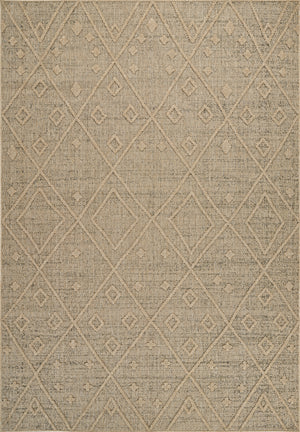
Material shapes both the feel and the atmosphere of your meditation space. Natural fibres like jute and wool are the classic choice because they're grounding, breathable, and free of the off-gassing that can come with cheaper synthetics, an important consideration in a room where you're focused on your breath. Wool is soft, naturally temperature-regulating, and springs back after sitting; jute brings an earthy, textured, organic look that suits a minimalist or Japandi aesthetic. For pure plush comfort during long seated sessions, a super-soft or high-pile rug cushions the hips and knees beautifully.
If low-maintenance and non-toxic construction top your list, natural-material rugs are worth the investment. Explore earthy textures in the Jute & Natural Fibre Rugs collection and cloud-soft options in the Super Soft Collection. To understand why fibre choice affects air quality, read our guide on non-toxic rugs safe for children and pets.
| Feature | Jute | Wool | Super-Soft Plush |
|---|---|---|---|
| Underfoot feel | Firm, textured | Soft, springy | Cushioned, plush |
| Vibe | Earthy, minimalist | Warm, natural | Cozy, enveloping |
| Maintenance | Low (keep dry) | Low–medium | Medium |
| Best for | Japandi, boho | Four-season calm | Long seated sits |
| Price range | $$ | $$$ | $$ |
Calming Colors for a Meditation Room
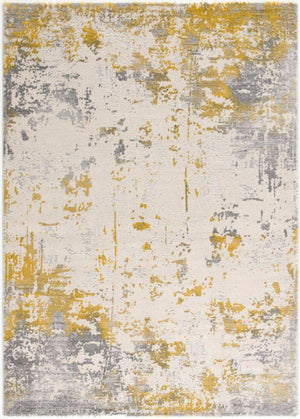
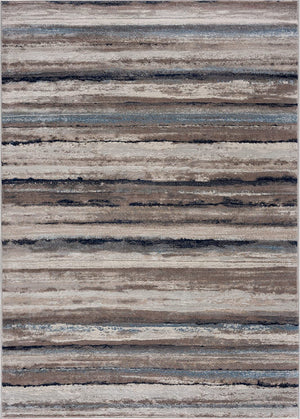
Color has a direct effect on mood, so a meditation room rug should whisper rather than shout. Neutral and nature-inspired palettes work best: soft ivory, warm beige, muted sage green, oatmeal, and gentle greys create a visually quiet backdrop that lets the mind relax. Earthy terracotta and sand tones bring warmth and a grounding, sun-baked calm, while pale blues and greens evoke water and foliage for a restful, meditative feeling.
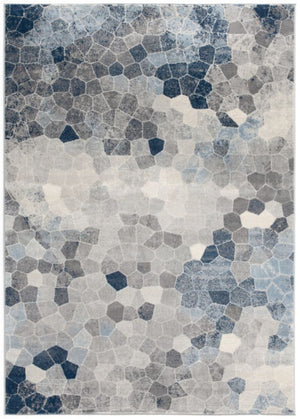
Avoid high-contrast patterns and jarring brights, which can pull focus during practice. If you want subtle interest, a tonal texture or a barely-there geometric keeps the eye calm. For soothing greens and naturals, browse the Oasis Collection or the earthy tones in the Earthy & Natural Tone Rugs collection. For more on pairing calming tones with your space, our post on choosing the right area rug color is a helpful starting point.
What Size Rug Do You Need for Meditation?
Sizing depends on how you practice. For seated meditation on a cushion, a round rug or a 5'×7' rectangle gives you room for your cushion plus a little space to place a candle, journal, or cup of tea. A round rug beautifully echoes the circular, centered feeling many people want in a meditation zone. If your practice blends meditation with gentle yoga or stretching, size up to a 6'×9' so your mat and full range of movement stay on the rug.
For a small dedicated nook, even a 3'×5' can define the space effectively. The key is that the rug should feel like a deliberate island of calm, with a border of bare floor around it. Browse circular options in the Round Rugs collection, roomier sizes in the 6'×9' Area Rug collection, and use our rug size guide to measure your nook.
Sound, Softness, and a Serene Atmosphere
One of the most underrated benefits of a meditation room rug is acoustic. A rug with a medium-to-high pile and a good rug pad absorbs sound, softening footsteps, muffling outside noise, and giving the room that hushed, library-quiet quality that makes it easier to drop into stillness. Hard floors bounce sound around; textiles soak it up. Layering a rug over a dense pad enhances this effect while adding a luxurious cushion underfoot for long sits.
For maximum quiet, choose a plush construction and pair it with a felt rug pad. Our guide on area rugs for sound absorption explains how pile height and density affect acoustics. If sustainability is part of your mindfulness practice, you'll appreciate our roundup of eco-friendly rugs made from natural materials, which pairs perfectly with an intentional, low-impact sanctuary. For lush softness, the New Zealand Plush Collection delivers a truly enveloping feel.
Meditation Room Rug Prices and Care
Building a serene space doesn't require a serene-shattering price tag. Small round or 3'×5' rugs for a meditation nook start around $39–$79. A mid-size 5'×7' rug for cushion-plus-props practice runs $79–$149, while a larger 6'×9' or 8'×11' for combined meditation and yoga lands in the $149–$399 range. Natural-fibre and premium wool options sit at the higher end but reward you with longevity and a grounding feel. Add $29–$79 for a quality rug pad that boosts softness and sound absorption.
Care is refreshingly simple in a low-traffic meditation room: shake or gently vacuum the rug weekly, spot-clean the rare spill, and keep jute rugs dry since natural fibres dislike moisture. With free shipping and easy returns across Canada and the US, Rug Branch makes it easy to test a rug in your sanctuary. Begin your search in the All Rugs collection and find the foundation for your practice.
Layering and Placing Your Meditation Rug
Where and how you place the rug matters as much as the rug itself. Position your meditation rug facing a calming focal point, a window with a view of greenery, a small altar or shelf, or simply a blank wall that invites the eye to rest. Orienting your practice toward natural light and away from doorways and clutter reinforces the sense of retreat. If the room does double duty, a rug is the simplest way to carve out a dedicated meditation zone within a bedroom or office corner without building anything.
Layering adds both comfort and visual depth. A common approach is a larger natural-fibre base rug, such as jute, topped with a smaller, softer wool or plush rug where you actually sit. The base grounds the space and protects the floor, while the top layer delivers cushioning exactly where your body needs it. This layered look also reads as intentional and serene, echoing the calm, considered aesthetic of Japandi and minimalist interiors.
Keep the surrounding floor uncluttered so the rug feels like a clean island of calm. A few carefully chosen objects, a cushion, a candle, a single plant, do more for the atmosphere than a crowded shelf. If you practice at the same time each day, notice how light moves across the rug and place your cushion where the space feels most peaceful. For soft, layer-friendly toppers, explore the plush options in the Super Soft Collection and pair them with a grounding natural base for a sanctuary that feels complete.
Frequently Asked Questions
Q: What is the best rug for a meditation room? A: Natural-fibre rugs like wool and jute are ideal for a meditation room because they're grounding, breathable, and free of strong synthetic odors that could distract from your breath. For pure comfort during long seated sits, a super-soft plush rug cushions the hips and knees. Choose calming neutral tones and pair the rug with a felt pad for extra softness and quiet.
Q: Should a meditation rug be round or rectangular? A: Both work well, so it comes down to your practice and space. A round rug creates a centered, circular feeling that many find calming for seated cushion meditation. A rectangular rug suits nooks and gives room for props or a yoga mat. For combined meditation and gentle stretching, choose a 6'×9' rectangle so your mat stays fully on the rug.
Q: Are natural-fibre rugs better for a meditation space? A: Many people prefer natural fibres like wool and jute in a meditation space because they avoid the off-gassing associated with some low-cost synthetics, which matters when you're focused on slow, deep breathing. They also bring an earthy, grounding texture that supports a minimalist, intentional atmosphere. Keep jute dry, and choose non-toxic constructions for the cleanest indoor air.
Q: What color rug is most calming for meditation? A: Soft, nature-inspired neutrals are the most calming: ivory, beige, oatmeal, muted sage green, gentle grey, and warm terracotta all create a quiet visual backdrop. These tones let the mind settle without the distraction of high-contrast patterns or bright colors. If you want subtle interest, choose a tonal texture rather than a bold design so the eye stays relaxed.
Q: How do I keep a meditation room rug clean? A: Meditation rooms are low-traffic, so care is easy: gently vacuum or shake the rug weekly to lift dust, and spot-clean occasional spills with a damp cloth. Keep jute and other natural fibres away from moisture, since they can stain or weaken when wet. A rug pad underneath reduces friction and wear, helping your sanctuary rug stay pristine for years.
Conclusion
A meditation room rug is the quiet foundation of your practice, so choose it with the same intention you bring to the cushion. Keep three takeaways in mind: pick a soft, grounding material like wool, jute, or plush that feels good during long sits and keeps indoor air clean; choose calming neutral and nature-inspired tones that let the mind settle; and size the rug for your style of practice, whether that's a round cushion zone or a full yoga-and-meditation mat. With prices starting around $39 and free shipping across North America, your sanctuary is closer than you think. Create your calm in the Plain Rugs collection today.