












La mejor alfombra para el recibidor: una guía de compra completa para cada hogar
Compartir
Por qué su entrada necesita la alfombra adecuada
La alfombra adecuada para espacios de entrada establece el tono de todo su hogar, trabajando horas extras para absorber la suciedad, la humedad y el constante pisoteo de la familia, los invitados y las mascotas, sin dejar de tener un aspecto acogedor el primer día y al tercer año. Una alfombra de entrada es la primera pieza de decoración que los visitantes notan, pero también sufre más abuso que casi cualquier otra alfombra de la casa, lo que significa que no puede elegirla de la misma manera que compraría una alfombra de dormitorio o el diseño de un comedor.
En esta guía, aprenderá a dimensionar correctamente una alfombra de entrada, a elegir materiales que sobrevivan a las botas mojadas y a los horarios ajetreados, qué altura de pelo funciona realmente en una zona de mucho tránsito y qué colores y patrones ocultan la suciedad para que no tenga que aspirar dos veces al día. También abordaremos la cuestión del protector de alfombras (sí, lo necesita absolutamente) y le mostraremos cómo mantener su inversión impecable en todas las estaciones. Al final, sabrá exactamente qué colección de Rug Branch se adapta a su entrada, ya sea un pasillo para un vestíbulo estrecho, una de 3x5 para la puerta de un apartamento o una de 5x7 como ancla para un cuarto de barro de planta abierta.
Cómo dimensionar correctamente una alfombra de entrada
La mayoría de los propietarios eligen el tamaño incorrecto, y la alfombra sufre por ello. La regla general es que la alfombra de su entrada debe extenderse de 12 a 18 pulgadas más allá del radio de apertura de su puerta principal, con al menos 4 pulgadas de espacio libre debajo de la puerta para que pueda abrirse y cerrarse libremente. Para vestíbulos estrechos y pasillos de apartamentos, un pasillo de entre 2x6 y 2x8 suele ser el tamaño ideal, dejando unas pocas pulgadas de suelo desnudo a cada lado para mantener las proporciones limpias.
Si tiene una entrada más amplia o un diseño combinado de vestíbulo y sala de estar, opte por una alfombra de 3x5 o una alfombra de 4x6. Estos tamaños asientan el espacio sin dominarlo, y suelen tener un precio de entre $39 y $99, lo suficientemente asequibles como para que pueda reemplazarlas cada pocos años si la vida con niños y mascotas lo exige. Para entradas grandes o casas de planta abierta donde la puerta principal da directamente a una gran sala, una alfombra de 5x7 o incluso una de 6x9 puede cumplir una doble función, definiendo la zona de entrada mientras dirige la vista hacia el espacio principal de la vivienda. Mida siempre el espacio libre de su puerta antes de ordenar, y si tiene una mesa de entrada redonda o un banco curvo, considere una alfombra redonda para suavizar la geometría.
Mejores materiales para alfombras de entrada
La elección del material es el factor más importante en la duración de su alfombra de entrada. La lana es lujosa y naturalmente resistente a las manchas, pero las alfombras de lana premium en el rango de $200 a $399 pueden ser excesivas para una entrada que ve botas saladas en invierno. El polipropileno y el poliéster se han convertido en los materiales preferidos para las entradas porque manejan la humedad, resisten la decoloración y se limpian con agua y jabón simple. El yute y las fibras naturales se ven hermosos en casas de campo y costeras, pero absorben la humedad y se manchan fácilmente, así que resérvelas para entradas cubiertas sin exposición directa a zapatos mojados.
Así es como se comparan los materiales más comunes para alfombras de entrada:
| Característica | Polipropileno | Lana | Yute / Fibra natural | Algodón de tejido plano |
|---|---|---|---|---|
| Durabilidad en alto tráfico | Excelente | Excelente | Moderada | Regular |
| Resistencia a la humedad | Excelente | Buena | Pobre | Regular |
| Resistencia a las manchas | Excelente | Buena (lanolina) | Pobre | Regular |
| Fácil de limpiar / lavable a máquina | Muchas opciones | Limpieza puntual | Solo limpieza puntual | A menudo lavable |
| Rango de precios típico | $39 a $149 | $149 a $399+ | $79 a $179 | $49 a $129 |
| Mejor uso en la entrada | Todas las entradas | Cubiertas, baja humedad | Cubiertas, solo secas | Apartamentos, uso ligero |
Para la mayoría de los lectores, una alfombra de polipropileno de la Colección Vogue o de la Colección Havana es la opción ideal. Si desea la comodidad de la lavable, explore la colección de alfombras lavables a máquina; estas están diseñadas para ser arrojadas a una lavadora doméstica estándar cuando el barro invernal se descontrola.
Altura del pelo: lo que realmente funciona en una zona de mucho tránsito
La altura del pelo es donde muchas alfombras de entrada fallan. Una alfombra de pelo largo de 1.5 pulgadas puede sentirse increíble descalzo, pero atrapa la suciedad, engancha los zapatos y resiste el aspirado. Para las entradas, se desea un pelo bajo de menos de 0.5 pulgadas o una construcción de tejido plano sin pelo visible. Las alfombras de pelo bajo permiten que la suciedad se asiente en la superficie donde se puede aspirar en lugar de penetrar en la base, y no se engancharán en la parte inferior de su puerta principal.
Las alfombras de tejido plano y de pelo bajo hechas a mano de las colecciones Silvia y Cascade están diseñadas precisamente para este tipo de uso. Por lo general, tienen una altura de pelo de 0.25 a 0.4 pulgadas, lo suficientemente corta como para aspirar limpiamente y lo suficientemente alta como para sentirse sustancial bajo los pies. Si tiene una puerta con poco espacio libre, como una corredera o una gruesa junta de estanqueidad, mida esa abertura antes de comprar y opte por alfombras de tejido plano de menos de 0.3 pulgadas. Evite todo lo que se etiquete como pelo largo, felpa o pelo alto para una entrada, sin importar lo atractiva que parezca la foto. Como cubrimos en nuestra guía sobre alfombras de fácil limpieza para zonas de mucho tránsito, la altura del pelo influye directamente en la frecuencia con la que necesita limpiar a fondo la alfombra, y las entradas ya necesitan más limpieza que cualquier otro espacio.
Estrategia de color y patrón para entradas
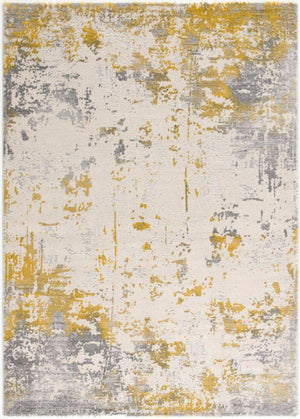
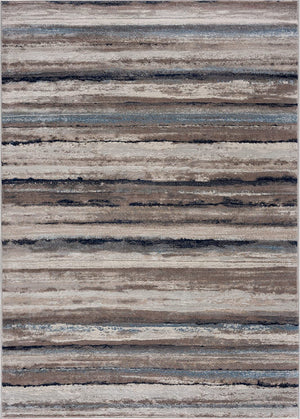
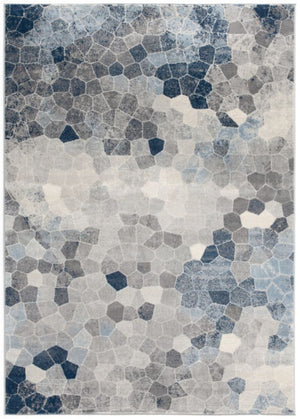
Los colores claros y sólidos se ven hermosos en las fotos de estilo de vida, pero se convierten en una pesadilla de mantenimiento en las entradas reales. Las alfombras blancas, crema y gris pálido muestran cada marca, mancha de sal y huella de mascota en cuestión de días. Los tonos más oscuros —carbón, azul marino, marrón oscuro, óxido— y los patrones abigarrados y multicolores ocultan una cantidad notable de suciedad entre limpiezas, por lo que dominan las entradas de hoteles y tiendas.
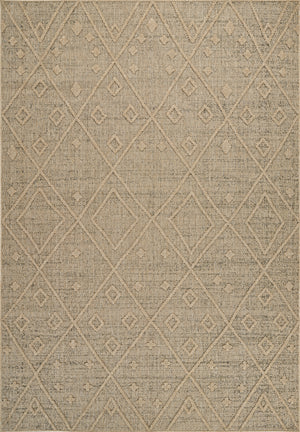
Para un vestíbulo en un hogar minimalista moderno, considere una alfombra gris o carbón con un sutil patrón geométrico, lo suficientemente limpia como para parecer contemporánea pero lo suficientemente indulgente como para ocultar huellas embarradas. Para hogares tradicionales más cálidos, una alfombra persa o una alfombra con patrón marroquí en tonos burdeos, terracota o azul oscuro disimulará casi cualquier cosa que caiga sobre ella. Si desea mantener la neutralidad sin oscurecer, busque alfombras beige y topo con motas multitono en lugar de un color sólido plano; la variación de color ayuda a disimular la suciedad mucho mejor que un tono uniforme. Como se explica en cómo elegir el color correcto de la alfombra, el objetivo es coordinar con el color de la pared y el suelo adyacente sin dejar de ser práctico para el tráfico que recibe la habitación.
Protección, respaldo antideslizante y seguridad para alfombras
Toda alfombra de entrada necesita una almohadilla de calidad debajo. Esto no es negociable. Una almohadilla hace tres cosas a la vez: sujeta el suelo para que la alfombra no se deslice cuando alguien la pisa, amortigua las pisadas y reduce el ruido, y prolonga la vida útil de la alfombra al absorber los impactos. Los resbalones en las alfombras de entrada son un riesgo real de lesiones, especialmente para personas mayores, niños y cualquier persona que lleve la compra a casa, y una almohadilla de 29 a 79 dólares elimina el problema por completo.
Para suelos de madera, baldosas y laminados, una alfombrilla premium de fieltro y goma es el estándar de oro. El lado de goma se adhiere al suelo sin dejar residuos, y el lado de fieltro añade amortiguación y protege el reverso de la alfombra del desgaste. Para entradas con moqueta (menos común, pero real), una almohadilla fina con una malla antideslizante evita que la alfombra se desplace sobre la moqueta con el tiempo. El nivel de alfombrilla supreme añade un grosor extra para alfombras de felpa y una protección a más largo plazo. Elija lo que elija, asegúrese de que la almohadilla esté cortada para que sea una o dos pulgadas más pequeña que la alfombra por cada lado para que quede oculta bajo los bordes. Para una inmersión más profunda en el tema, nuestra guía de por qué necesita una almohadilla para su alfombra cubre todos los argumentos para no saltarse nunca este paso.
Cuidado de su alfombra de entrada en cada estación
Una alfombra de entrada necesita un cuidado más frecuente que cualquier otra alfombra de su casa, pero la rutina es sencilla. Aspire al menos dos veces por semana; una alfombra de pelo bajo solo tarda uno o dos minutos en limpiarse, y eliminar la suciedad superficial antes de que se incruste en las fibras es lo más efectivo que puede hacer para prolongar la vida útil de la alfombra. Sacuda o golpee la alfombra al aire libre cada dos o tres semanas para desalojar la suciedad incrustada que la aspiradora no puede alcanzar.
En invierno, coloque una bandeja para botas o una alfombrilla absorbente directamente delante de la alfombra de entrada para atrapar lo peor de la sal, el aguanieve y la nieve antes de que lleguen a la alfombra. Para la limpieza de manchas, seque los derrames inmediatamente con un paño limpio —nunca frote— y use una solución suave de jabón y agua para huellas de barro o accidentes de mascotas. Si su alfombra es lavable a máquina, lávela una vez por temporada; si no lo es, programe una limpieza profesional una vez al año, idealmente al final del invierno, cuando los residuos de sal son peores. Nuestra guía completa de consejos para limpiar alfombras describe la rutina estacional completa, y la guía de lavadoras muestra qué alfombras de Rug Branch se pueden lavar de forma segura en una lavadora doméstica.
Preguntas frecuentes
P: ¿Qué tamaño de alfombra debo comprar para mi entrada? R: Para un vestíbulo de puerta principal estándar, una alfombra de 3x5 o un pasillo de 2x6 es la opción más común, lo suficientemente grande como para atrapar los residuos de uno o dos pasos dentro de la puerta, lo suficientemente pequeña como para caber junto a una mesa de entrada. Las entradas más anchas con puertas dobles suelen necesitar una de 4x6 o 5x7. Deje siempre al menos 4 pulgadas de espacio libre debajo de la apertura de la puerta para que no se enganche en el borde de la alfombra.
P: ¿Son buenas las alfombras de lana para las entradas? R: La lana es naturalmente resistente a las manchas gracias a su contenido de lanolina y maneja el tráfico peatonal maravillosamente, pero las alfombras de lana premium suelen ser excesivas para una entrada húmeda y salada. Recomendamos la lana solo para entradas cubiertas o transiciones de vestíbulo interior donde la alfombra no estará expuesta directamente a la humedad exterior. Para puertas adyacentes al exterior, el polipropileno es el material más inteligente a una fracción del precio.
P: ¿Realmente necesito un protector de alfombra en la entrada? R: Sí, absolutamente. Un protector de alfombra es el accesorio más importante para cualquier alfombra de entrada: evita resbalones, reduce el desgaste y añade amortiguación. Sin un protector, la alfombra se deslizará por el suelo cada vez que alguien la pise, lo cual es molesto y un riesgo real de tropiezo. Un protector de fieltro y goma de calidad cuesta entre 29 y 79 dólares y prolonga drásticamente la vida útil de la alfombra que lo cubre.
P: ¿Con qué frecuencia debo limpiar mi alfombra de entrada? R: Aspire un mínimo de dos veces por semana. Sacuda o golpee la alfombra al aire libre cada dos o tres semanas. Limpie las manchas inmediatamente. Realice una limpieza profunda (lavar a máquina si es posible, o limpieza profesional si no) una vez por temporada, y definitivamente después de que termine el invierno, ya que la sal de la carretera es brutal para las fibras de la alfombra si se deja en su lugar. Esta rutina parece mucho, pero una alfombra de entrada de pelo bajo solo tarda uno o dos minutos por sesión de aspirado.
P: ¿Puedo usar una alfombra de exterior como alfombra de entrada? R: Sí, y para porches cubiertos o entradas de tres estaciones suele ser la mejor opción. Las alfombras de exterior están construidas para soportar la humedad, los rayos UV y el tráfico, y muchos diseños modernos para interior y exterior lucen tan elegantes como las alfombras tradicionales de interior. Explore la colección de alfombras de exterior para encontrar opciones que funcionen tan bien dentro de una entrada concurrida como en un patio.
Conclusión: elija la alfombra adecuada, ahorre años de dolores de cabeza
La alfombra adecuada para la entrada se reduce a tres prioridades: tamaño apropiado con espacio libre adecuado para la puerta, material duradero de pelo bajo que pueda soportar un uso repetido y una alfombrilla de calidad debajo para mantener todo estable y seguro. Olvídese de la alfombra de pelo largo blanca, olvídese de la seda y olvídese de cualquier cosa que no se pueda limpiar con agua y jabón; su yo futuro se lo agradecerá. La mayoría de los hogares están perfectamente atendidos con un pasillo o una alfombra de polipropileno de 3x5 en un tono más oscuro o con un patrón llamativo, combinado con una alfombrilla de fieltro y goma, por un total inferior a 130 dólares.
¿Listo para encontrar el suyo? Explore la colección de los más vendidos de Rug Branch para encontrar opciones probadas para zonas de mucho tránsito, con envío gratuito a todo Canadá y EE. UU. y devoluciones fáciles si el tamaño no es el adecuado.