












Eco-Friendly & Sustainable Area Rugs: The Complete 2026 Buying Guide
Partager
Eco-Friendly & Sustainable Area Rugs: The Complete 2026 Buying Guide
The way we furnish our homes is changing — and area rugs are at the forefront of that shift. More homeowners than ever are asking not just how a rug looks, but how it was made, what it is made from, and where it will end up when its useful life is over. Sustainable and eco-friendly area rugs have moved from a niche concern to a mainstream priority, and in 2026 the options are more stylish, affordable, and accessible than ever before.
In this guide, you will learn exactly what makes a rug eco-friendly, which materials to look for and which to avoid, how certifications like OEKO-TEX and GreenGuard work, and how to choose a sustainable rug that is beautiful, durable, and kind to the planet. Whether you are shopping for a living room anchor, a bedroom statement piece, or a high-traffic entryway runner, this guide gives you a clear framework to make a confident, conscious choice.
What Makes a Rug Eco-Friendly?
The term "eco-friendly" covers several distinct dimensions of sustainability. A truly sustainable rug addresses at least three of these five areas: raw material origin — natural, renewable, or recycled fibres versus virgin petroleum-based synthetics; processing and dye methods, including low-impact dyes and water-saving wet processing; manufacturing conditions such as fair labour and low-waste production; indoor air quality (VOCs), meaning the absence of formaldehyde, phthalates, and toxic flame retardants; and end-of-life considerations — whether the rug is compostable, biodegradable, or recyclable.
No rug is perfect on all five dimensions. A hand-knotted wool rug ticks the first four beautifully but requires significant skilled labour to produce. A recycled PET rug scores on raw material (recycled content) and air quality (low VOC) but is not biodegradable at end of life. Understanding these tradeoffs helps you prioritise what matters most for your household.
The Most Sustainable Rug Materials Compared
| Material | Renewable? | Biodegradable? | Low VOC? | Durability | Best Use |
|---|---|---|---|---|---|
| Natural wool | Yes | Yes | Yes | Excellent | Living room, bedroom |
| Jute / sisal | Yes | Yes | Yes | Moderate | Dry areas, layering |
| Organic cotton | Yes | Yes | Yes | Good | Bedroom, kids room |
| Hemp | Yes | Yes | Yes | Excellent | Any room |
| Recycled PET | No (recycled) | No | Yes | Excellent | High-traffic, outdoor |
| Bamboo viscose | Partially | Partially | Variable | Moderate | Low-traffic areas |
| Standard polypropylene | No | No | Mostly | Excellent | High-traffic, outdoor |
Wool is the original eco-friendly rug material. Grown on sheep, shorn annually, and naturally biodegradable, wool requires no synthetic inputs and naturally resists stains due to the lanolin in the fibre. When dyed with low-impact or plant-based dyes, a wool rug is one of the most responsible flooring choices available. The hand-tufted collections and New Zealand Plush Collection showcase premium natural-wool options that will last 20+ years with proper care.
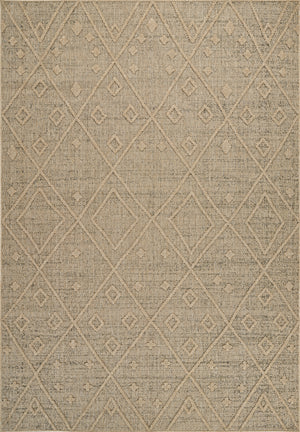
Jute and natural fibres are among the most rapidly renewable materials on Earth — jute needs little water, no pesticides, and sequesters carbon during growth. Jute and natural fibre rugs biodegrade completely and make excellent layering pieces in dry rooms. They are not ideal for wet areas where moisture causes mildew, but for a boho-natural look on a dry interior floor, jute is both beautiful and eco-responsible.
Recycled PET (plastic bottles) rugs divert plastic from landfills, are completely waterproof, resist fading and mildew, and are low-VOC. The tradeoff is that they are not biodegradable. But for outdoor rugs, balconies, and patios where durability and moisture resistance are priorities, recycled PET is the most practical eco choice available.
Hemp is one of the most underutilised sustainable fibres available — it grows rapidly without pesticides, improves soil health, and produces a durable, natural-texture rug that outlasts most alternatives. Hemp rugs in flatweave and natural styles pair beautifully with minimalist, Scandinavian, and japandi interiors.
Certifications: What to Look For When Buying Eco-Friendly Rugs
When a rug claims to be "eco-friendly" or "sustainable," certifications provide objective proof. Three stand out as genuinely meaningful.
OEKO-TEX Standard 100 tests finished textile products for over 100 harmful substances including formaldehyde, pesticides, heavy metals, and phthalates. Any product with this label has been independently tested and is safe for prolonged skin contact. This is especially important for rugs in nurseries and children's rooms — see non-toxic rugs safe for children and pets for full guidance on choosing safe materials.
GreenGuard Gold certifies that a product meets strict chemical emission standards for indoor air quality. GreenGuard Gold-certified rugs are approved for use in schools and healthcare facilities, making them the highest available standard for VOC control. If you have family members with asthma, allergies, or chemical sensitivities, GreenGuard Gold-certified rugs are the benchmark.
Fair Trade Certified addresses the human dimension of sustainability. Fair Trade-certified rugs are made in facilities that meet ethical labour standards, provide fair wages, and invest in worker communities. Many hand-tufted and hand-knotted artisan rugs carry this designation alongside material certifications.
How to Choose a Sustainable Rug Room by Room
Choosing an eco-friendly rug is not just about materials — it is also about longevity. A cheap rug that needs replacing every two years is less sustainable than a higher-quality piece that lasts 15–20 years. Here is a room-by-room framework for making the most eco-responsible choice.
For the living room, invest in a high-quality wool or wool-blend rug. A 9×12 rug or 8×11 rug in a neutral or earthy tone will anchor the room for decades. Premium New Zealand wool is among the softest and most sustainable wool grades available. Price range: $249–$499 for a quality long-lasting piece that will outlast three generations of cheaper alternatives.
For the bedroom, organic cotton or low-pile wool rugs work beautifully — soft underfoot, low off-gassing, and long-lasting. A queen bed configuration with a 6×9 rug placed under the bottom two-thirds is the classic eco-bedroom setup. Avoid cheaply made synthetic rugs with strong chemical odours — that smell is off-gassing VOCs entering your bedroom air.
For the kids' room or nursery, choose OEKO-TEX certified natural fibre rugs or recycled-PET washable rugs. The machine washable rugs collection is excellent for children's rooms — a rug that gets dirty can be washed rather than replaced, reducing waste and extending its useful life significantly. See Are Rugs Safe for Babies? for a comprehensive safety guide.
For entryways and high-traffic areas, recycled PET polypropylene rugs are the most practical sustainable choice — durable, washable, and long-lasting in the most demanding conditions. A 3×5 rug or quality doormat in recycled synthetic fibre starting around $39–$79 will outlast multiple natural-fibre alternatives in a muddy entryway.
For outdoor spaces, a recycled PET outdoor rug is the ideal choice — weather-resistant, eco-responsible, and available in beautiful patterns. See best materials for outdoor rugs that resist fading for a complete outdoor material breakdown.
Sustainable Rug Care: Making Your Investment Last Longer
The most eco-friendly thing you can do with a rug is extend its lifespan. Every year you keep a rug out of the landfill is an environmental win.
Use a rug pad. A quality rug pad reduces friction, protects the rug backing, prevents slipping, and significantly extends the rug's life. The Premium Rug Pad is the single best investment for rug longevity — and it costs far less than replacing a rug early.
Vacuum correctly. Use low suction, go with the pile direction, and avoid the beater bar on delicate natural fibres. Weekly vacuuming prevents grit from grinding into the pile and causing premature wear. Spot clean immediately — letting a stain set is the most common reason good rugs get discarded early. For natural fibres, use cool water only.
Rotate every 6–12 months to distribute wear and UV exposure evenly. Even quality wool rugs will show premature wear patterns if one area absorbs all the foot traffic. A simple 180-degree rotation twice a year solves this entirely.
Consider professional repair over replacement. Many high-quality rugs — especially wool — can have fringe repaired, edges re-bound, or pile spot-woven to address worn areas. Local rug repair specialists exist in most major cities across Canada and the USA, and the cost is usually a fraction of a new rug.
Frequently Asked Questions
Q: Is polypropylene a sustainable rug material? A: Standard virgin polypropylene is made from petroleum and is not biodegradable. However, recycled polypropylene — made from plastic bottles or post-consumer plastic waste — is significantly more eco-friendly. It diverts plastic from landfills, requires less energy to produce than virgin polypropylene, and creates a durable, low-maintenance rug that lasts 10–15 years. If sustainability is your priority but you need a high-traffic rug, look specifically for products labelled "recycled content" or certified with a recycling designation.
Q: Are natural fibre rugs like jute and sisal truly better for the environment? A: Natural fibre rugs are biodegradable and come from rapidly renewable sources, which makes them excellent from a raw-material perspective. However, their environmental footprint depends heavily on growing region, processing methods, and dyes used. Undyed or naturally-dyed jute rugs are the most eco-responsible option. The tradeoff is durability — jute is not ideal for high-traffic or wet areas, so you may replace it more frequently, which carries its own environmental cost.
Q: What does OEKO-TEX certification mean for rugs? A: OEKO-TEX Standard 100 means every component of the rug — fibres, dyes, backing, and finishes — has been tested and verified free of harmful chemicals. This is especially important in rugs used in areas where children or pets spend time on the floor. It does not certify environmental manufacturing practices, only product safety. GreenGuard Gold adds the air-quality dimension, certifying that the rug does not emit harmful VOCs into your home's air.
Q: How much do eco-friendly rugs cost compared to standard rugs? A: Premium natural-fibre rugs carry a higher upfront cost — a quality wool rug in an 8×10 might run $249–$449, compared to $99–$199 for an equivalent polypropylene rug. However, wool rugs last 15–25 years with proper care, while mid-range synthetics typically need replacing in 5–10 years. Over a 20-year horizon, the wool rug often costs less per year of use — and generates far less landfill waste.
Q: Can I recycle a rug at the end of its life? A: Some manufacturers and retailers have take-back programs for recycled-content rugs. Wool rugs can often be composted in industrial facilities. Most synthetic rugs are not recyclable through standard municipal programs, though specialist textile recyclers exist in many cities. To minimise end-of-life impact, choose natural-fibre rugs whenever possible, or look for certified recycled-content rugs. Read Are Rugs Recyclable? for a complete guide to sustainable rug disposal options.
Conclusion
Choosing an eco-friendly rug in 2026 means balancing material sustainability, manufacturing ethics, indoor air quality, and long-term durability. The best sustainable choice for most homes is a high-quality wool or natural-fibre rug — beautiful, long-lasting, and biodegradable. For high-traffic or outdoor use, recycled-PET polypropylene offers an excellent compromise. Whatever you choose, look for OEKO-TEX or GreenGuard certification, use a rug pad to extend its life, and care for it properly so it lasts decades rather than years.
Ready to shop sustainably? Browse the full collection at Rug Branch — including natural fibres, eco-responsible materials, and machine-washable options — with free shipping to Canada and the USA.