





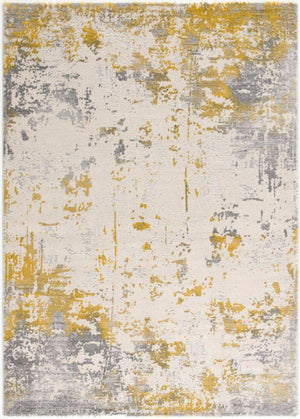


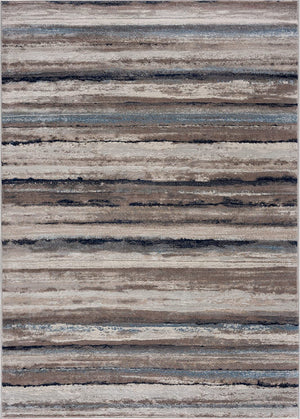

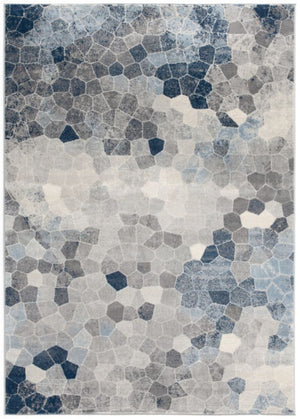


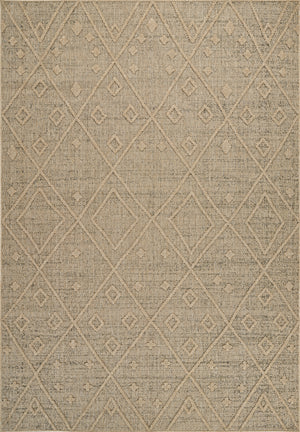


Japandi Rug Ideas: How to Choose the Perfect Rug for Your Minimalist Home
Partager
Introduction
Japandi rug ideas are among the most searched home design topics right now, and for good reason. The Japandi aesthetic — a blend of Japanese wabi-sabi philosophy and Scandinavian hygge sensibility — has moved from design magazines into mainstream North American homes, and the rug is often the centrepiece that anchors the entire look. In a minimalist room, every element carries more visual weight than in a layered or maximalist space, which means your rug choice matters far more than it would in a traditionally decorated room. This guide covers what makes a rug authentically Japandi, which materials work best, how to choose colours and patterns, and how to size and place a rug in a Japandi space without breaking the aesthetic.
What Is the Japandi Aesthetic?
Japandi is a hybrid design philosophy that marries two cultures united by their shared appreciation of restraint. Japanese interiors are grounded in wabi-sabi: the appreciation of imperfection, natural materials, and intentional negative space. Scandinavian interiors are guided by hygge: warmth, simplicity, and function-forward design where every object earns its place.
In practice, a Japandi room looks like this: a neutral, muted palette drawn from warm whites, off-blacks, warm greys, beige, and earthy tones; natural materials throughout — wood, linen, cotton, rattan, stone, jute; low-profile furniture with clean lines, without ornate carving or gilding; meaningful negative space where walls are not crowded and surfaces are not cluttered; and tactile textures that invite touch without demanding visual attention.
The Japandi aesthetic is fundamentally incompatible with bold florals, loud geometric patterns, synthetic materials that look plasticky, and anything that could be described as decorative for its own sake. Every element, including the rug, must appear purposeful and calm.
What Makes a Rug Authentically Japandi?
A rug fits the Japandi aesthetic when it satisfies three conditions: natural or natural-looking materials, a colour from the Japandi palette, and restrained or no pattern.
Natural materials are close to non-negotiable in a strict Japandi room. Jute, sisal, wool, cotton, linen, and bamboo silk all qualify readily. Polypropylene can work if it convincingly mimics the texture and colour of a natural fibre — a low-pile, matte-finish polypropylene in warm sand reads as Japandi to the eye even if the material is synthetic. High-sheen polyester and bright-white latex-backed rugs do not work.
Colour is where most people go wrong when attempting Japandi. The palette is warm, not cool. Think warm greige (grey-beige), oatmeal, natural linen, dusty sage, soft charcoal with brown undertones, warm rust or terracotta as an occasional accent. Cool greys, stark whites, and saturated primary colours break the mood of the entire room.
Pattern in Japandi is subtle or absent. Solid rugs, tone-on-tone textures, very simple grid patterns, and the most restrained geometric designs all work. Busy florals, bold medallions, high-contrast Moroccan patterns, and anything that reads as "decorative" from across the room do not.
For more on how natural materials perform in different living spaces, see the guide to living room rug materials on hardwood floors.
Best Rug Materials for Japandi Style
Choosing the right material is the single most important decision in a Japandi rug purchase. Here is a full comparison of the most relevant options:
| Material | Japandi Fit | Durability | Maintenance | Price Range (5x7 ft) |
|---|---|---|---|---|
| Jute or sisal | Excellent | Moderate | Low — vacuum only | $79 to $149 |
| Wool (low pile) | Excellent | High | Medium | $149 to $399 |
| Cotton flatweave | Very good | Moderate | High — often washable | $69 to $129 |
| Polypropylene (low pile, matte) | Good | Very high | Very high | $79 to $149 |
| Bamboo silk | Good | Low | Low | $199 to $499 |
| High-pile shag synthetic | Poor | High | Low | Not recommended |
Jute and natural fibre rugs are the quintessential Japandi choice. Their raw woven texture, earthy colouring, and natural origin make them perfectly aligned with both Japanese wabi-sabi values and Scandinavian nature-inspired interiors. A 5 by 7 foot jute rug starts around $79 to $129.
Wool is the more durable, more luxurious Japandi option. A dense, low-pile wool rug in warm grey or oatmeal reads as genuinely premium in a Japandi room. Wool also has natural sound-absorbing properties that suit the quiet, contemplative feel of the aesthetic. Expect $149 to $349 for a quality 5 by 7 foot wool rug, scaling to $299 to $599 for larger 8 by 11 foot sizes.
Cotton flatweave rugs are lightweight, reversible, and frequently machine washable — practical qualities that align perfectly with the Japandi philosophy of purposeful, low-maintenance living. The clean, flat surface reads beautifully in a minimal room without adding visual bulk.
For high-traffic areas or homes with pets, a low-pile matte polypropylene in a warm neutral is a practical Japandi-compatible choice. Look specifically for styles without sheen — matte-finish polypropylene in sand, stone, or warm grey disappears visually into a Japandi room the same way a natural fibre would. The Minimalist Rugs collection at Rug Branch includes several styles designed with exactly this aesthetic in mind.
Japandi Colours and Patterns That Work
The safest Japandi rug is solid or nearly solid. But "solid" does not have to mean visually boring. Here is how to add interest without breaking the minimalist rule.
Tone-on-tone texture. A rug woven with the same colour in different pile directions creates a subtle light-catching surface that looks rich without introducing pattern. Flatweave rugs and cut-and-loop pile constructions often achieve this naturally.
Very low-contrast geometric. A soft grid pattern in the same tonal family — warm cream and warm beige, for example — can read as Japandi if the geometry appears almost solid from across the room. High-contrast geometric patterns, even in neutral tones, conflict with the calm of the aesthetic.
Wabi-sabi imperfection. Handmade and hand-tufted rugs with slight irregularities in the weave, natural colour variation, or visible hand-finishing are highly compatible with wabi-sabi values. These rugs look intentionally imperfect, which is precisely the point of the philosophy. Explore the Hand-Tufted collection for this aesthetic.
Colours to work with: warm whites and off-whites (creamy, not stark), oatmeal and flaxen beige, warm greige, warm charcoal (dark grey with brown undertones, not blue-grey), dusty sage and muted moss, terracotta and warm rust as accent only, and natural linen.
Colours to avoid: bright white, cool grey, navy, teal, primary red, and anything with high saturation or chroma.
Japandi Rug Ideas by Room
Living room. Go large. In a Japandi living room where furniture is sparse and walls are uncluttered, a large rug — 8 by 11 feet or 9 by 12 feet — grounds the seating arrangement and adds warmth to bare hardwood. Choose a low-pile wool or jute in warm greige. Place the front legs of all sofas and chairs on the rug so the seating "owns" the rug rather than floating around it. Browse the 8 by 11 Rugs collection for the right sizing.
Bedroom. A rug in the Japandi bedroom serves primarily as a comfort element — something soft and warm underfoot when you step out of bed. In a minimal bedroom, the rug should extend 18 to 24 inches beyond the bed frame on each side. A 9 by 12 under a king bed works beautifully. Warmth and softness matter more here than in any other room, so a dense wool or thick cotton pile is worth the investment of $149 to $299 for a quality 8 by 11 option.
Home office. The Japandi aesthetic translates exceptionally well to work-from-home environments. A 5 by 7 or 6 by 9 rug in muted sage or warm greige defines the desk zone without visual noise that would distract during focused work. Flatweave and low-pile rugs are the practical choice under desk chairs, since high-pile rugs make rolling on a chair difficult and tiring.
Dining room. A Japandi dining room typically features a wooden table and simple chairs. A natural-fibre rug like jute or sisal creates an organic connection between wood chair legs and the wood table, reading as one cohesive material story. If the dining room sees frequent spills, a flatweave polypropylene in a natural colour is the more practical Japandi-compatible choice. See the medium dining table rug guide for size recommendations.
Entryway. A low-profile, easy-clean runner in a dark warm neutral — warm charcoal, slate, or mocha — grounds the entryway and handles the dirt load of a high-traffic area without disrupting the calm of the spaces it connects to. Runner Rugs starting around $49 to $129 are the right format for most entryways in a Japandi home.
Rug Sizing and Placement in Japandi Spaces
Minimalist design amplifies sizing mistakes. In a Japandi room, a rug that is too small looks like an afterthought — a floating island in a sea of bare floor. A rug that is too large overwhelms the negative space that defines the aesthetic.
The core Japandi sizing rule: leave 12 to 18 inches of bare floor around the rug's perimeter in every direction. This breathing room is essential — it creates the negative space that makes the room feel intentional and composed rather than crowded or filled. This is one of the most recognisable differences between Japandi rooms and conventionally decorated rooms, and it is achieved simply by choosing a rug that does not extend wall-to-wall.
For living rooms: the rug should touch the front legs of all seating — sofas, chairs, and ottomans. An 8 by 11 works for most standard sofa-plus-chair arrangements. For bedrooms: extend 18 to 24 inches beyond each side of the bed. For dining rooms: the rug should extend at least 24 inches beyond the table edge in every direction so chairs can be pulled out fully without the back legs leaving the rug.
One practical note on rug pads in Japandi rooms: they are equally important here. A rug that slides on a hardwood floor creates visual disorder every time it is nudged — exactly what a minimalist room cannot absorb. A quality rug pad keeps everything in precisely the intended position without adding visual noise.
The Scandinavian Rugs collection at Rug Branch is a natural starting point for Japandi-compatible styles — the design sensibility overlaps significantly with what a Japandi room requires.
Frequently Asked Questions
Q: What colour rug is best for a Japandi room? A: The ideal Japandi rug colour is warm and muted — oatmeal, warm greige, natural linen, or soft charcoal with brown undertones. The essential rule is to avoid cool tones: blue-grey, stark white, and cool taupe all break the Japandi mood. The rug should feel like it belongs to the earth — sand, stone, linen, bark, and dried grass are the right reference points. If your wood tones are warm (golden oak, warm walnut), choose a warm grey or beige rug. If your wood is darker, a warm linen or oatmeal creates a gentle and harmonious contrast.
Q: Can I use a patterned rug in a Japandi room? A: Yes, with careful selection. The pattern must be low-contrast and simple — a subtle tone-on-tone texture, a very restrained grid in the same colour family, or the natural irregularity of a handmade weave. Avoid medallion patterns, bold Moroccan geometrics, high-contrast florals, and anything that reads as "busy" or "vibrant" from across the room. The wabi-sabi principle of finding beauty in natural imperfection means handmade rugs with slight variation in the weave are not just acceptable but actively preferred over machine-perfect patterns.
Q: Is a shag rug appropriate for Japandi? A: Generally no. High-pile shag rugs conflict with the visual restraint of the Japandi aesthetic — they read as cosy in a way that leans bohemian or maximalist rather than minimal. A very short-pile rug under half an inch in a warm neutral can work if the rest of the room is extremely restrained, but the safer choice is low-pile wool, flatweave cotton, or natural fibre options like jute and sisal. These materials carry texture without visual bulk, which is the Japandi ideal.
Q: What size rug works best in a Japandi living room? A: Err on the larger side. In a minimalist room, a small rug reads as an afterthought; a large rug grounds the space with quiet confidence. For a typical living room sofa arrangement, an 8 by 11 or 9 by 12 rug that extends under the front legs of all seating creates the right proportional balance. Leave 12 to 18 inches of bare floor between the rug edge and the walls — this breathing room is one of the defining spatial qualities of both Japandi and Scandinavian interiors.
Q: Are natural fibre rugs like jute practical for everyday Japandi living? A: Jute and sisal are beautiful and durable, but they are not the right choice for every Japandi room. They are difficult to clean from liquid spills, relatively rough underfoot compared to wool, and not suitable for high-moisture environments. For a Japandi dining room or a home with young children, a polypropylene flatweave in a natural colour is a more practical choice that reads identically to jute visually. Jute works best in lower-traffic zones: a bedroom, a reading corner, or as a decorative layer under a coffee table.
Conclusion
Japandi rug ideas all begin with three principles: natural materials, muted warm tones, and restrained or no pattern. Whether you choose a raw-textured jute flatweave, a dense low-pile wool in warm greige, or a minimalist cotton dhurrie, the goal is a rug that disappears into the room — grounding the space without competing with it. Leave generous bare floor around the perimeter, choose a size that is slightly larger than instinct suggests, and use a rug pad to keep everything precisely where you placed it. For a curated selection of Japandi-compatible styles, browse the Minimalist Rugs collection and the Scandinavian Rugs collection at Rug Branch — with free shipping across Canada and the USA on every order.