





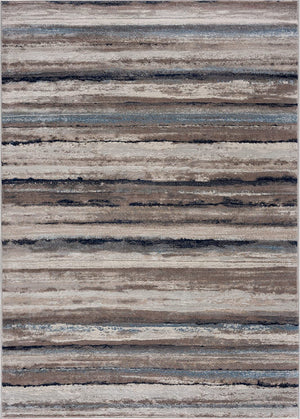


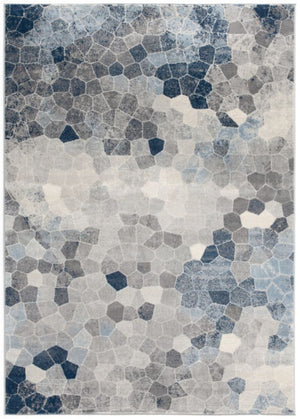


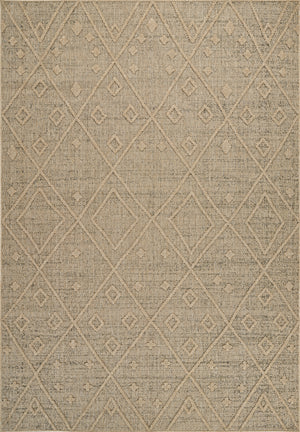


Geometric Area Rugs: The Complete 2026 Style & Buying Guide
Partager
Geometric area rugs are one of the most versatile and visually striking choices for any home. Whether you're drawn to bold chevron stripes, intricate diamond lattice patterns, or clean-lined hexagonal repeats, geometric area rugs deliver structure, energy, and modern personality that other rug styles simply can't match. In 2026, geometric rugs have claimed a dominant spot in interior design, pairing effortlessly with everything from minimalist Scandi spaces to maximalist boho rooms.
This guide covers everything you need to know — from choosing the right pattern scale and colour combination, to sizing and placement, to the materials that hold up best over time.
Why Geometric Area Rugs Are Leading 2026 Interior Design Trends
Interior designers in 2026 are leaning hard into pattern. After years of neutral, plain rugs dominating the market, homeowners are ready for something that makes a visual statement without requiring an expensive furniture refresh. Geometric area rugs from Rug Branch sit at the intersection of timeless pattern and modern sensibility — they're bold enough to anchor a room, yet structured enough to play nicely with almost any furniture style.
Pattern scale is the key concept here. Large-scale geometric patterns — oversized diamonds, broad herringbone, wide stripe repeats — create a dramatic, high-impact look best suited to open-concept spaces and large living rooms. Medium-scale patterns, like a classic Moroccan trellis or a 4-inch tile repeat, work across most room sizes and are the safest choice for first-time rug buyers. Small-scale geometric patterns — micro-lattice, fine diamond grids — add texture without visual noise, ideal for bedrooms and home offices where you want subtle detail rather than drama.
The shift toward geometric rugs also reflects broader 2026 colour trends. Earthy terracotta, dusty sage, warm mustard, and charcoal pairings are being used in geometric patterns at high frequency this year — replacing the all-gray palettes that dominated the early 2020s. If your living room features warm-toned furniture or natural wood floors, a geometric rug in an earthy palette is arguably the most design-forward choice you can make in 2026.
How to Choose the Right Geometric Pattern for Your Room
Not all geometric patterns read the same way in a space. The pattern type interacts with your room's architectural lines, existing furniture silhouettes, and light exposure.
Chevron and herringbone: These directional patterns create movement and visual flow. They work especially well in rectangular rooms where you want to emphasize length — hallways, rectangular dining rooms, or narrow living spaces. The V-shaped repeat draws the eye forward, making the room feel longer and more dynamic.
Diamond and lattice: Diamond patterns feel grounded and symmetrical. A trellis lattice (the Moroccan-influenced overlapping diamond grid) is particularly versatile — it references traditional Persian design while feeling completely contemporary in execution. This pattern works in square rooms and open-plan spaces equally well.
Hexagonal and tile patterns: Hexagonal repeats reference natural structures and feel organic despite being geometric. They're particularly popular in kitchens, sunrooms, and spaces that benefit from a slightly playful, less formal energy.
Abstract geometric: Bold, large-form geometric shapes — asymmetrical rectangles, overlapping circles, irregular blocks of colour — are the most contemporary option. These work best in modern or contemporary spaces and are less forgiving in traditional or transitional rooms.
Modern abstract rugs from Rug Branch offer a broad range of geometric and abstract-geometric options that blend pattern and texture effectively.
Geometric Rug Placement: A Room-by-Room Comparison
Placement significantly affects how a geometric rug reads in a space. Here is a comparison of how geometric rugs perform in four common rooms:
| Room | Recommended Pattern Scale | Best Pattern Type | Key Consideration |
|---|---|---|---|
| Living Room | Medium to large | Chevron, diamond, trellis | All legs on rug, or front legs only for smaller rooms |
| Dining Room | Medium | Grid, diamond repeat | Extend 24–30 inches beyond table on all sides |
| Bedroom | Small to medium | Lattice, subtle stripe | Place under lower two-thirds of bed; use low-pile for comfort underfoot |
| Entryway | Small to medium | Tile, simple geometric | Must withstand high foot traffic — choose flatweave or polypropylene |
For the living room, the golden rule is that your geometric rug should be large enough to anchor all major seating. An 8 by 11 foot rug is the most common choice for living rooms with a standard three-piece sofa set. For a smaller seating area, a 5 by 7 foot rug with the front legs of the sofa and chairs on the rug provides a cohesive, grounded look.
In dining rooms, geometric rugs provide a structured, formal feel that complements the linear arrangement of table and chairs. Extend at least 24 inches beyond all sides of the table to ensure chair legs stay on the rug when pulled out.
For bedrooms, geometric patterns in lower-pile constructions are particularly practical — they're easier to vacuum, easier to maintain, and don't trap allergens the way high-pile options do. Position the rug so it extends 18–24 inches on all three exposed sides of the bed.
Best Materials for Geometric Area Rugs
Material choice affects both the visual quality of the pattern and how well the rug holds up in your specific space.
Polypropylene (synthetic): The most common material for geometric area rugs. It holds colour exceptionally well — geometric patterns with sharp, high-contrast colour blocks look their best in polypropylene because dye bleeding doesn't soften edges. It's also fade-resistant, stain-resistant, and highly durable. A polypropylene geometric rug is ideal for living rooms, dining rooms, and any high-traffic area. Prices for polypropylene geometric rugs typically start around $79 for a 5 by 7 foot and $149–$249 for an 8 by 11 foot.
Wool: Natural wool produces a slightly softer, more textured geometric pattern. The natural crimp of wool fibres gives geometric designs a slight depth and warmth that synthetic materials can't fully replicate. Wool geometric rugs are best in bedrooms and living rooms where comfort is a priority. Expect to pay $199–$399 for larger wool geometric rugs.
Flatweave and cotton: Flatweave geometric rugs have crisp, precise pattern definition — ideal for bold, high-contrast geometric designs like block-colour tile patterns or classic kilim-style chevrons. They're thin, easy to clean, and work well over carpet. Pricing starts around $49–$89 for runner sizes and $99–$199 for mid-size.
Jute and natural fibre: Natural fibre geometric rugs exist but have a constraint: the woven texture of jute or seagrass limits pattern precision. Geometric patterns in jute tend to read as subtle texture rather than bold design. These work best when you want the geometric structure to be secondary to the natural material quality. See the jute and natural fibre rugs collection for examples.
Colour Combinations That Work with Geometric Rugs
Geometric rugs live and die by their colour. The pattern gives the structure; the colour delivers the mood.
Neutral geometric (beige, ivory, grey): The safest choice. A cream lattice or grey chevron provides pattern interest without colour commitment. These work in virtually any room regardless of existing palette. Great for transitional or traditional spaces.
Two-tone high-contrast (black and white, navy and cream): Maximum visual impact. Bold, clean, and extremely modern. Works best in rooms with restrained, monochromatic furniture — let the rug be the feature.
Earthy tones (terracotta, rust, mustard, sage): The dominant 2026 direction. These warmth-forward palettes feel grounded and organic despite appearing on a structured geometric pattern. Perfect for living rooms with natural wood furniture, rattan accents, or warm-toned walls.
Jewel tones (teal, sapphire, deep burgundy): High-impact, rich. Works well in formal dining rooms or bedrooms where you want a luxurious, curated feel. Pair with neutral walls and minimal furniture.
Understanding how to choose the right area rug colour is essential when working with bold geometric patterns. A useful rule: if the geometric pattern is high-contrast, keep surrounding furnishings in a single neutral. If the pattern is tone-on-tone or low-contrast, you have more freedom to introduce colour through furniture and accessories.
Size Guide for Geometric Area Rugs
Getting the size right is more important with geometric rugs than with plain rugs, because pattern scale interacts with room proportion.
| Room Size | Recommended Rug Size | Notes |
|---|---|---|
| Small living room (under 10 by 12 ft) | 5x7 or 6x9 | Front legs only on rug; choose medium or small-scale pattern |
| Standard living room (12x14 to 14x18 ft) | 8x11 or 9x12 | All legs on rug preferred; medium to large-scale pattern |
| Dining room (4-seat table) | 6x9 minimum | Table and chairs plus 24-inch clearance on each side |
| Dining room (6-seat table) | 8x11 minimum | — |
| King bedroom | 9x12 | Extends 24 inches on sides and foot of bed |
| Queen bedroom | 8x11 | Extends 18–24 inches on sides and foot of bed |
| Hallway or runner | 2x6 to 2x8 | Leave 4–6 inches of floor showing on each side |
Not sure of your room dimensions? The Rug Branch rug size guide walks you through measuring every major room type step by step.
Styling Geometric Rugs with Your Furniture and Decor
The best geometric rug installations pair a confident pattern with restrained surroundings. Some practical rules:
Don't mix large geometric patterns with large floral prints. One bold pattern per room is the golden rule. If your rug is geometric, keep curtains, throw pillows, and upholstery in solids or very subtle textures.
Lean into contrast. A geometric rug with angular lines pairs beautifully with curved, organic furniture shapes — round coffee tables, curved sofas, organic clay vases. Contrast creates visual tension that makes the room feel intentional and designed.
Rug pads are non-negotiable. A geometric rug without a quality rug pad will shift, bunch, and distort the pattern over time. Use a pad that's half an inch smaller than the rug on all sides for a clean edge. Rug pads typically run $29–$79 depending on size.
Layer strategically. A small flatweave geometric rug layered over a larger jute or plain rug adds depth without visual chaos. Keep the base rug neutral and the top layer geometric. This technique is particularly effective in living rooms with large base rugs.
Explore the full geometric rugs collection at Rug Branch for options across all sizes, patterns, and price points, with free shipping across Canada and the USA.
Frequently Asked Questions
Q: What makes a rug geometric? A: A geometric rug is defined by its use of mathematical shapes — lines, angles, triangles, diamonds, hexagons, chevrons, and grid patterns — rather than organic or representational imagery. Geometric patterns are symmetrical, repeating, and defined by precise edges rather than fluid forms. The category ranges from simple two-tone stripes to intricate multi-colour lattice designs. In 2026, the geometric rug category includes both minimalist single-pattern designs and complex, layered geometric abstractions that blur the line between pattern and art.
Q: Do geometric rugs work in small rooms? A: Yes, but scale matters enormously. In a small room, a large-scale geometric pattern will feel overwhelming and make the space feel even smaller. Choose a small or medium-scale pattern — a tight diamond grid or a subtle stripe repeat — in a light to mid-tone colourway. Light-coloured geometric rugs with subtle pattern actually create an illusion of space, making small bedrooms and studio apartments feel more open and airy than a plain rug of the same size.
Q: Are geometric rugs timeless or trendy? A: Geometric rugs are genuinely timeless. Geometric patterns have appeared in textile design for thousands of years — from ancient Persian kilims to mid-century modern rug design to contemporary Scandinavian minimalism. While specific colour combinations and pattern scales shift with trends, the underlying category of geometric rugs remains perennially relevant. A well-chosen geometric rug in a neutral or earthy palette will look as fresh in 15 years as it does today.
Q: How do I choose a geometric rug to go with a gray couch? A: A gray couch is an excellent base for a geometric rug because its neutrality lets the pattern take centre stage. High-contrast options — a black-and-white chevron, a charcoal and cream lattice — create a bold, modern pairing. For a warmer, more relaxed feel, choose a geometric rug with terracotta, rust, or mustard tones: the contrast between the cool gray sofa and the warm rug tones creates a balanced, sophisticated look. Avoid choosing a geometric rug in a shade too close to your couch — you will lose the visual distinction that makes the pairing work.
Q: Can I layer a geometric rug with another pattern? A: Yes, but follow the hierarchy rule: one dominant pattern, one recessive pattern. If your geometric rug is the dominant pattern (bold, high-contrast, large-scale), the second rug in the layered arrangement should be a solid, subtle texture, or very low-key stripe. If you're layering two patterns, keep them in the same colour family and vary the scale significantly — pair a large-scale diamond geometric with a fine-stripe woven texture, for example. Avoid combining two bold, high-contrast geometric patterns in the same layered arrangement.
The Bottom Line
Geometric area rugs are one of the smartest investments you can make in your home's visual impact. They deliver pattern, energy, and personality without requiring expensive furniture changes — and because geometric design is fundamentally timeless, a well-chosen rug will remain relevant through multiple style evolutions in your space.
Browse the complete geometric rugs collection at Rug Branch, where you will find options starting from $49 for runner sizes up to $399 for large 9 by 12 foot styles, with free shipping across Canada and the USA. Use the size guide and material comparison above to narrow down your options, and find the geometric rug that anchors your space perfectly.