












Best Rugs for a Home Yoga Studio: Comfort, Grip & Calm
Partager
Well-chosen rugs for a home yoga studio do far more than fill an empty corner — they define the space, cushion your joints, and set a calm tone the moment you step onto them. If you are building a dedicated practice space this summer, the right rug turns a spare bedroom or bonus room into a studio that invites you back to the mat every morning. The trick is balancing three things that do not always agree: a stable, non-slip surface, enough softness for kneeling poses, and a serene look that quiets the room instead of competing with it.
This guide walks through the materials, pile heights, sizes, and colours that matter most for yoga, meditation, and gentle strength work at home. You will learn which fibres grip best, how to layer a rug with a mat, what to spend, and how to keep everything fresh through a sweaty August. By the end you will know exactly which rug fits your flow — and your floor.
Why a Rug Belongs in Your Yoga Space
A yoga mat handles the poses, but the floor around it shapes the whole experience. A rug warms cold hardwood or tile underfoot during early-morning sessions, absorbs sound so your breath and playlist do not echo, and visually frames the practice zone in an open-concept room. For restorative and floor-based work — child's pose, seated twists, savasana — the extra layer of give beneath your mat is genuinely kinder to knees, wrists, and hips.
There is a mental benefit too. A defined surface tells your brain "this is where practice happens," which makes it easier to drop into focus. Choose a low-pile or flatweave rug in a muted tone and the space instantly reads as intentional. If sound is a concern in an apartment or shared home, read our guide to area rugs for sound absorption — the same principles that dampen footfall also soften a busy flow class at home.
Best Materials for a Yoga Studio Rug
Material is the single biggest decision when you are comparing rugs for a home yoga studio, because it governs grip, cushioning, and how the rug ages under sweat and repeated pressure. Wool is the classic premium choice: naturally resilient, temperature-regulating, and springy enough to feel supportive without being spongy. It resists crushing from a mat left in one spot and wicks moisture, which matters in a humid summer room.
Polypropylene (a synthetic often called olefin) is the practical workhorse — stain-resistant, fade-resistant, budget-friendly, and easy to wipe down after a warm session. Natural fibres like jute add an earthy, grounding texture that suits a minimalist or biophilic studio, though pure jute is firmer and better as a border or layered base than a primary kneeling surface. If you love the look of jute, our jute rug pros and cons buying guide explains where it shines and where it does not. For a soft, plush underfoot feel, a low-shag or dense hand-tufted wool from the New Zealand Plush Collection delivers comfort without swallowing your balance.
Pile Height and Grip: The Balance That Matters
Here is where many people go wrong. A thick, deep-shag rug feels luxurious in a bedroom but sabotages standing poses — your foundation shifts, and balance work becomes a battle with the floor. For yoga, lower and denser wins. A flatweave or low-pile rug (roughly 6 mm or under) gives a stable base for tree pose and warrior sequences, while still adding warmth and a hint of softness.
Grip is the other half. A rug that slides on hardwood is a real hazard mid-flow, so pair any yoga studio rug with a quality non-slip pad. Our Supreme Rug Pad locks the rug in place and adds a thin cushion of its own. For the full rundown on stopping movement, see how to stop a rug from slipping.
| Pile type | Feel underfoot | Balance & grip | Best for |
|---|---|---|---|
| Flatweave | Firm, thin | Excellent — very stable | Standing poses, hot yoga, layering under a mat |
| Low pile (≤6 mm) | Lightly cushioned | Very good | All-round practice, meditation |
| Medium pile (7–12 mm) | Plush, soft | Fair — slight sink | Restorative, gentle stretching |
| High/shag pile (13 mm+) | Very soft | Poor for balance | Lounge corners, not active practice |
Sizing Your Studio Rug
Give yourself room to move. A standard yoga mat is about 24 by 68 inches, but your rug should extend well beyond it so transitions, wide-leg poses, and props all stay on a comfortable surface. A 5×7 rug suits a compact single-person practice corner and starts around $79–$149, while a 6×9 or 8×11 rug gives space for sun salutations without stepping onto bare floor — expect roughly $149–$399 depending on size and material.
If your studio doubles as a stretching-and-strength area, size up so a partner or a second mat fits too. Unsure how to measure the footprint before you buy? Walk through how to measure for an area rug and browse dedicated 8×11 rugs for larger dedicated studios. For a snug nook, the 5×7 rugs collection is the sweet spot for one mat plus breathing room.
Colours and Style for a Calm Practice
The visual tone of your studio matters more than people expect — colour directly affects how settled you feel. Muted, nature-referencing palettes work best: soft sage and green, warm sand and beige, misty grey, and off-white all lower the visual volume of a room. Reach for a green rug to echo the outdoors during summer practice, or a beige and taupe tone for a warm, neutral foundation that never distracts.
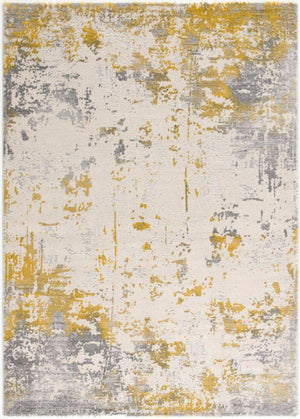
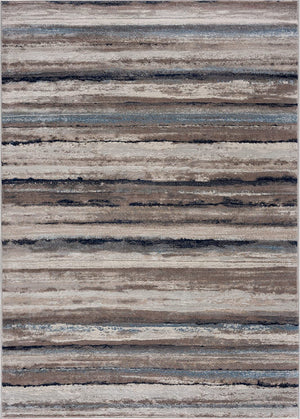
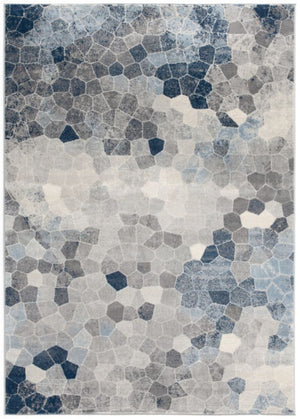
Keep patterns quiet. A subtle abstract wash, a faint geometric, or a simple solid keeps the eye calm, whereas a busy medallion can pull focus during meditation. A plain rug is the safest route to serenity, while a soft coastal palette suits a bright, airy summer studio. The goal is a space that feels expansive and restful — the rug should recede and let your practice take the foreground.
Keeping Your Yoga Rug Fresh
Sweat, oils, and daily pressure all take a toll, so easy care is essential. Choose a washable or wipe-clean rug if your practice is vigorous — many low-pile synthetics and washable styles handle a gentle machine cycle or a damp cloth beautifully. Air the room out after hot sessions to prevent moisture building up in the fibres, and rotate the rug every few weeks so the mat area does not wear or flatten in one strip.
Vacuum on a low, brushless setting to lift dust without stressing the pile, and spot-treat spills immediately with mild soap and cool water. For a full routine, our guide to how to clean an area rug covers materials from wool to synthetic. A little maintenance keeps your studio smelling fresh and feeling inviting straight through the warmest months.
Layering a Mat Over Your Studio Rug
The most comfortable home setup is not rug-only or mat-only — it is a thin yoga mat layered over a low-pile rug. This combination gives you the mat's dependable grip for hands and feet during dynamic poses, plus the rug's warmth and gentle cushioning for the floor work in between. The rug also keeps your mat from sliding on hardwood and defines a wider practice zone, so props, blocks, and a bolster all sit within the space rather than on cold bare floor.
For this to work, the rug underneath must be stable. A flatweave or dense low-pile rug on a non-slip pad creates a solid, unmoving base, while a plush high-pile rug would let the mat shift and bunch. If you practice without a mat for meditation or restorative sessions, a slightly softer low-pile wool feels wonderful directly underfoot. The layered approach also makes cleaning easier — roll up and wipe the mat after a sweaty session, and the rug beneath stays fresh far longer. It is the setup most home practitioners settle on once they have tried both alone.
Designing a Calm, Multi-Use Wellness Space
Many home studios do double duty as a guest room, office nook, or meditation corner, and the rug is what quietly holds all those uses together. A neutral, low-pile rug reads as intentional whether you are flowing through sun salutations, journaling, or simply sitting in stillness. Position it to face a window or a favourite piece of art so your gaze lands somewhere restful, and keep the surrounding décor minimal — a single plant, soft lighting, and storage for props keep the visual noise down.
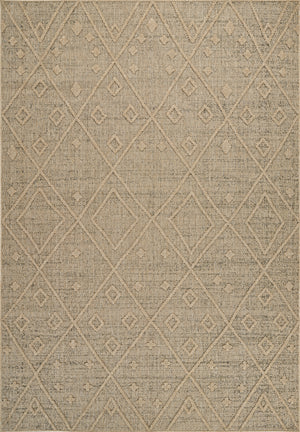
Texture adds warmth without clutter. A subtle woven or hand-tufted surface invites you to sit and stay, while a calm colour keeps the mind quiet. If your space is bright and airy for summer practice, a light coastal rug palette reinforces that fresh, open feeling. Because the rug anchors the room, investing in one that is both comfortable and beautiful pays off every single day — it is the piece you will see, feel, and step onto more than any other in the space. Treat it as the foundation of the whole studio, not an afterthought.
Frequently Asked Questions
Q: What is the best rug for a home yoga studio? A: The best rugs for a home yoga studio are low-pile or flatweave, in wool or polypropylene, paired with a non-slip pad. Low pile keeps your balance stable during standing poses, while wool adds resilient cushioning and temperature control. If you practice hot yoga or sweat heavily, a washable low-pile synthetic is the most practical, easy-to-clean choice for a daily home practice.
Q: Can I do yoga directly on a rug without a mat? A: You can for gentle floor work, meditation, and stretching, especially on a firm flatweave. For standing balance poses and downward dog, a dedicated mat over the rug gives better grip and hand stability. Layering a thin yoga mat on a low-pile rug is the most comfortable setup for a full practice at home.
Q: What size rug do I need for yoga at home? A: For one person, a 5×7 rug gives enough room for a mat plus transitions. If you flow through wide poses or share the space, a 6×9 or 8×11 rug is better so you never step onto bare floor. Measure your practice zone first and leave at least a foot of rug beyond your mat on every side.
Q: How do I stop my yoga rug from sliding on hardwood? A: Use a quality non-slip rug pad sized slightly smaller than the rug. A gripping pad like the Supreme Rug Pad anchors the rug and adds light cushioning, which is safer for dynamic movement. Avoid deep-shag rugs on hard floors, since their thickness reduces stability during standing and balancing poses.
Q: Is wool or synthetic better for a yoga room? A: Wool offers natural resilience, warmth, and moisture-wicking comfort, making it a premium long-term choice. Synthetic polypropylene is more affordable, stain-resistant, and easier to wash after sweaty sessions. Choose wool for a calm, high-quality feel and synthetic for heavy-use, easy-maintenance studios — both work well in low-pile form for a home yoga space.
Bringing It All Together
Building a home yoga studio comes down to three takeaways: pick a low-pile, resilient material like wool or polypropylene for stable, comfortable practice; always anchor it with a non-slip pad so movement stays safe; and choose a calm, nature-inspired colour that lets the space feel restful. Get those right and your studio becomes somewhere you genuinely want to return to each day. Ready to ground your practice? Explore the machine washable rugs collection for easy-care comfort, enjoy free shipping across Canada and the USA, and roll out a space that keeps you coming back to the mat all summer long.