












Best Area Rug for Kitchen: Materials, Sizes, and Styles That Actually Work
Partager
Best Area Rug for Kitchen: Materials, Sizes, and Styles That Actually Work
Choosing the best area rug for kitchen spaces means balancing style, safety, and durability in a room that punishes poor choices quickly. Kitchens are among the harshest environments for any textile: grease splatters, foot traffic, dropped food, and steam from cooking all take a toll over time. The best area rug for kitchen use has to stand up to spills, resist staining, feel comfortable underfoot during long cooking sessions, and still look great when guests walk through. The good news is that modern rug materials have made kitchen-safe rugs more durable, easier to clean, and more stylish than ever. In this guide, you will learn what to look for in a kitchen rug, which sizes work in which kitchen layouts, how to keep your rug from slipping on tile or hardwood, and which styles make your kitchen feel pulled-together rather than haphazard.
Why Use an Area Rug in the Kitchen?
Kitchen rugs serve multiple purposes beyond decoration. A rug placed in front of the sink or stove acts as an anti-fatigue mat, significantly reducing foot and back fatigue during long cooking sessions. Studies on workplace ergonomics consistently show that standing on cushioned surfaces reduces lower-limb discomfort by 30-50 percent compared to hard flooring. The same principle applies in the kitchen, where home cooks can spend 30-90 minutes on their feet at a time without realizing the cumulative toll on their joints.
Beyond comfort, a rug in the kitchen absorbs sound in a space that tile or hardwood kitchens make echo-prone. It adds warmth to cold stone or tile floors, making the kitchen feel more inviting during early-morning routines. It also defines the kitchen zone in open-plan living spaces where the cooking area flows into a dining or living room without a physical boundary.
From a design perspective, a kitchen rug is one of the cheapest ways to introduce colour or pattern into a space that is often dominated by fixed finishes, including cabinets, countertops, and appliances, that are expensive to change. Swapping a rug is a renovation-free refresh.
That said, not every rug belongs in a kitchen. High-pile rugs, deep shag styles, and hand-knotted wool rugs are generally poor choices for kitchen use due to their difficulty to clean and their tendency to absorb moisture and odours over time. The right rug choice starts with material.
The Best Materials for Kitchen Area Rugs
The material is the single most important factor when choosing the best area rug for a kitchen. Here is how the main options compare across the criteria that matter most in a cooking environment.
| Material | Stain Resistance | Ease of Cleaning | Durability | Anti-Fatigue | Price 5x7 |
|---|---|---|---|---|---|
| Polypropylene | Very High | Very High | Very High | Medium | $79-$129 |
| Nylon | High | High | Very High | Medium | $99-$149 |
| Cotton flatweave | Medium | Very High machine wash | Medium | Low | $49-$99 |
| Jute and Sisal | Low | Medium | High | Low | $69-$129 |
| Wool | Medium | Low | High | High | $149-$299 |
Polypropylene is the top recommendation for most kitchens. It is inherently stain-resistant because moisture sits on the surface rather than being absorbed. It will not fade under strong kitchen lighting, and it is easy to wipe clean with a damp cloth or rinse outdoors with a hose. Polypropylene rugs also tend to be the most affordable, with a quality 5x7 starting around $79.
Cotton rugs, particularly flatweave and machine-washable styles, are the second-best choice, especially for households where the kitchen rug needs to be laundered weekly. Many cotton kitchen rugs are fully machine-washable, which makes them ideal for families with children or pets. Browse the Machine Washable Rugs collection for kitchen-friendly washable options in a range of colours and patterns.
Jute rugs look beautiful and add natural texture to a kitchen, but they absorb moisture readily and can develop mould if spills are not dried immediately. They are best reserved for kitchens with very low spill risk or used as a layering base rather than the functional rug. See the Jute and Natural Fibre Rugs guide for more context on where jute works best.
Avoid in the kitchen: High-pile shag rugs where deep pile traps food and is nearly impossible to fully clean, viscose or silk-look rugs that are water-sensitive and will water-stain, and hand-knotted Oriental rugs that are too valuable and too moisture-sensitive for kitchen use.
What Size Rug Works Best in a Kitchen?
Kitchen rug sizing depends on your kitchen layout. The goal is to cover the areas where you actually stand while working, not every inch of floor space. Over-sized rugs in a kitchen create a tripping hazard and are harder to clean around appliances.
In front of the sink: A runner rug, typically 2x6 or 2x8, is ideal. It covers the standing zone in front of the sink and extends along the counter if your prep area is adjacent. A 2x6 costs $49-$89 and a 2x8 runs $79-$129. Browse the Runner Rugs collection for kitchen-compatible runner sizes.
In front of the stove: A smaller accent rug, 2x3 or 3x5, works well here. It does not need to extend far, just enough to protect the floor from drips and to cushion your feet while cooking.
In a galley kitchen: A single long runner spanning the full length of the galley, often 2x10 or 2x12, creates visual continuity and covers the primary work zone in one shot. The runner should leave at least 6 inches of flooring visible on each side so the room does not feel closed in.
In an open-plan kitchen with an island: A larger rug, 4x6 or 5x7, placed under or adjacent to the island defines the kitchen zone within the open space. This is particularly effective in open-concept homes where the kitchen, dining area, and living room all flow together without walls.
Under a kitchen table: If your kitchen includes an eat-in dining area, size the rug so it extends at least 24 inches beyond the table on all sides. For a 4-seat kitchen table, that typically means a 6x9 rug minimum. See the area rugs for dining room guide for full placement rules that apply equally to eat-in kitchen settings.
How to Keep a Kitchen Rug from Slipping
Slipping kitchen rugs are a serious safety hazard, especially on smooth tile or polished hardwood floors. The best approach is a combination of a rug with a non-slip backing and a rug pad that prevents lateral movement.
Built-in non-slip backing is the most convenient option. The rug will not move unless you lift it. This is the preferred choice for smaller accent rugs, 2x3 or 3x5, that sit in fixed locations and are not moved often.
A separate rug pad is better for larger kitchen rugs because you can custom-trim it to the exact rug size. A quality felt-and-rubber pad grips both the floor and the rug, preventing lateral movement while also adding cushioning. It protects hardwood floors from rubber marks that direct-contact rubber backings can leave over time. The Premium Rug Pad collection at Rug Branch includes felt-and-rubber options suitable for kitchen use on all floor types.
Never fold a rug corner under itself to prevent tripping. This creates a thick ridge that is actually more dangerous than a flat rug. Instead, use a rug gripper tape or rug anchor strip along the edge if you notice one corner lifting. See the full Rug Pads Guide for a complete comparison of pad types and which works best on tile, hardwood, and laminate.
Style Tips: Choosing the Right Look for Your Kitchen Rug
The best area rug for a kitchen is not just about practicality. It should also look intentional and complement the existing finishes. Here are the most popular kitchen rug styles and when each works best.
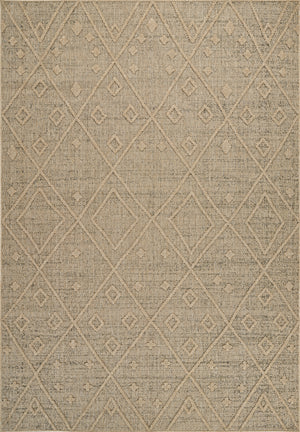
Geometric patterns work in both contemporary and farmhouse kitchens. Diamonds, stripes, and chevrons break up the visual monotony of tile flooring and add character without competing with cabinet hardware or countertop patterns. A geometric rug in a neutral palette of cream, grey, or beige is the safest starting point and works with virtually any kitchen colour scheme.
Solid colour rugs let the kitchen design elements take centre stage. An ivory or beige flatweave rug in polypropylene is nearly invisible underfoot but adds warmth and cushioning where it matters. Browse plain rugs for flatweave options that work particularly well as kitchen rugs due to their low-profile construction.
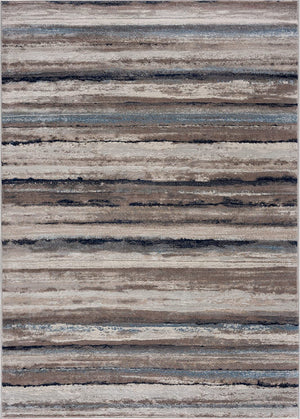
Farmhouse style rugs, including woven cotton, ticking stripes, and subtle plaid patterns, suit farmhouse kitchens beautifully. The Farmhouse Rugs collection has options that complement shaker-style cabinetry, butcher block countertops, and apron-front sinks without competing with the natural materials that define the farmhouse aesthetic.
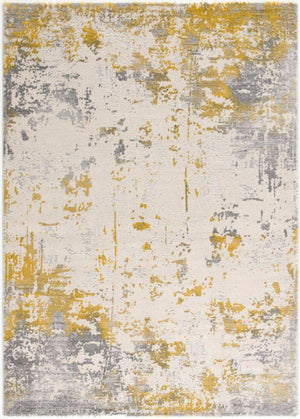
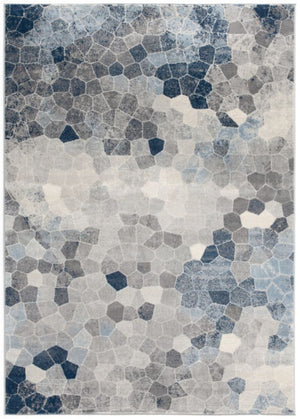
Bold accent rugs work best when your kitchen is largely neutral. White cabinets, grey counters, and stainless appliances create a clean backdrop for a bold colour injection via the rug. Rust, teal, or deep navy creates immediate visual interest without requiring a renovation. Look at the Rust and Terracotta Rugs collection for warm-toned kitchen accents that work with both modern and traditional kitchens.
Price guide for kitchen rugs:
- 2x3 accent rugs: $29-$59
- 2x6 runner rugs: $49-$89
- 2x8 runner rugs: $79-$129
- 4x6 accent rugs: $59-$99
- 5x7 area rugs: $79-$149
Frequently Asked Questions
Q: What is the best area rug for kitchen use on hardwood floors? A: For hardwood floors, choose a polypropylene flatweave rug with a felt-and-rubber rug pad rather than a pure rubber backing, which can discolour hardwood over time. The flatweave profile means no tripping hazards from thick pile edges, and polypropylene wipes clean easily when spills occur. A 2x6 runner in front of the sink and a 2x3 in front of the stove covers the two primary standing zones without overwhelming the floor space.
Q: Are jute rugs a good choice for kitchens? A: Generally not. Jute absorbs moisture readily, which can lead to mould, mildew, and fibre breakdown in a kitchen environment. Jute rugs look beautiful but work better in lower-humidity areas like living rooms or bedrooms. If you love the natural texture, consider a polypropylene rug designed to mimic the look of jute. You get the same aesthetic with far more practical performance in a kitchen setting.
Q: How often should I clean a kitchen area rug? A: Spot-clean spills immediately, vacuum at least once a week and twice if you cook frequently, and do a full deep clean every 3-4 months. Machine-washable cotton kitchen rugs can be laundered monthly if needed. Polypropylene rugs can be rinsed outdoors with a hose if they get heavily soiled. Let them air dry completely before putting them back in place. Avoid putting polypropylene rugs in a dryer.
Q: What size rug do I need for a kitchen island seating area? A: For a kitchen island with bar stools, place a 3x5 or 4x6 rug under the island so that the front two-thirds of the bar stool legs sit on the rug when pulled out. This anchors the stools, protects the floor from chair scuffing, and defines the seating zone within the open kitchen without conflicting with the main work rug placed in front of the sink and stove.
Q: Can I use an outdoor rug in my kitchen? A: Yes, and it is actually a popular choice. Outdoor rugs are constructed from polypropylene or polyester, both extremely stain-resistant and easy to hose down outdoors. They are particularly practical for kitchens with messy cooks or young children. The aesthetic has improved dramatically in recent years, with many outdoor rug designs looking indistinguishable from indoor options. Browse the Outdoor Rugs collection for kitchen-compatible styles in runner and accent rug sizes.
Conclusion: Finding the Best Area Rug for Your Kitchen
The best area rug for a kitchen balances three requirements: it has to be easy to clean with polypropylene or machine-washable cotton as the top material choices, the right size for your layout with runners for galley kitchens and larger accent rugs for island kitchens, and safely non-slip with either a rug pad or built-in backing. On style, a flatweave geometric or solid-colour rug in a neutral palette will work in virtually any kitchen design without competing with fixed finishes. For bold colour lovers, a single accent rug in rust, teal, or navy is one of the cheapest ways to transform a neutral kitchen without touching a single cabinet.
Ready to find yours? Shop all kitchen-friendly rug options at Rug Branch with free shipping and easy returns on every order.