












Alfombras estilo casa de campo moderna: Guía completa de estilo y compra
Compartir
La alfombra moderna estilo casa de campo puede ser el elemento de diseño de interiores más buscado en los últimos cinco años, y no muestra signos de desaceleración. Este estilo se encuentra en la intersección de dos impulsos muy diferentes: la calidez y el carácter vivido del diseño tradicional de casa de campo, y las líneas limpias y la sobriedad intencionada del minimalismo moderno. El resultado es una alfombra que se siente cómoda y cuidada, atemporal y a la moda. En esta guía completa, aprenderá exactamente qué hace que una alfombra sea moderna estilo casa de campo, qué materiales y alturas de pelo funcionan mejor, cómo dimensionar y colocar una en cada habitación de su hogar, y qué colecciones de Rug Branch ofrecen la estética sin gastar de más.
Ya sea que esté diseñando una sala de estar con una pared de acento de shiplap, un comedor con una mesa de granja y sillas de metal negro, o un dormitorio con ropa de cama de lino y detalles de ratán, la alfombra adecuada lo une todo. Al final de esta guía, tendrá un marco claro para elegir una alfombra que sea auténticamente moderna estilo casa de campo y construida para durar en un hogar real.
¿Qué hace que una alfombra sea "Modern Farmhouse"?
El término "modern farmhouse" se usa tan ampliamente que puede significar casi cualquier cosa. Para las alfombras específicamente, la distinción importa. Una alfombra de área estilo casa de campo moderna suele compartir un grupo de características definitorias que la separan de los diseños puramente tradicionales de casa de campo, bohemios o contemporáneos.
Paleta de colores apagados y naturales: Piense en marfil cálido, crema, lino envejecido, gris suave, salvia polvorienta y tonos de avena cálidos. Los acentos tienden hacia el óxido, la terracota y el azul marino descolorido en lugar de los primarios brillantes. Estos son colores que parecen haber vivido cómodamente en un espacio durante décadas, no colores que se anuncian.
Patrones geométricos o de baja complejidad: A diferencia de las alfombras bohemias maximalistas con motivos densos y superpuestos, las alfombras modernas de estilo casa de campo favorecen los patrones geométricos simples: rejillas de diamantes, cuadros sutiles, rayas mínimas y medallones discretos. El patrón está presente pero nunca es ruidoso.
Superficies texturizadas o envejecidas: Una de las características del estilo moderno de casa de campo es la textura, el tipo que parece artesanal, usado y natural. La construcción tejida a mano con alturas de pelo variadas, las construcciones planas con textura tejida visible y las alfombras tejidas a máquina con efectos de sobreteñido envejecidos califican.
Construcción práctica: La sensibilidad de la casa de campo moderna es inherentemente práctica. Las alfombras de este estilo están diseñadas casi universalmente para ser de bajo mantenimiento, duraderas en áreas de alto tráfico y tolerantes con hogares ocupados con niños y mascotas.
La colección de alfombras rústicas de Rug Branch captura esta estética en una amplia gama de tamaños y precios, a partir de $49 para tamaños pequeños de acento.
Los mejores materiales para alfombras modernas estilo casa de campo
La elección del material es donde muchos compradores se equivocan con las alfombras de estilo casa de campo. La estética exige textura y calidez, lo que apunta a ciertas construcciones, pero la realidad práctica de un hogar vivido significa que la durabilidad debe ser la base.
| Material | Estética rústica | Durabilidad | Mantenimiento | Rango de precios (8x10) |
|---|---|---|---|---|
| Lana | Excelente | Muy buena | Moderado | $249–$599 |
| Algodón | Bueno | Moderado | Fácil | $99–$199 |
| Polipropileno | Muy bueno | Excelente | Muy fácil | $99–$249 |
| Yute / Fibra natural | Excelente | Moderado | Moderado | $129–$299 |
| Poliéster (shag) | Bueno | Moderado | Moderado | $79–$179 |
El polipropileno es la opción más práctica para la mayoría de los hogares de estilo casa de campo moderno. Las alfombras modernas de polipropileno en tonos rústicos apagados son casi indistinguibles de la lana visualmente, pero resisten las manchas, sueltan poco pelo y pueden soportar áreas de alto tráfico como salas de estar, pasillos y vestíbulos sin degradarse rápidamente. El respaldo resistente a las manchas y la fácil limpieza de manchas hacen del polipropileno la respuesta de bajo mantenimiento para las familias. Una alfombra de polipropileno de calidad de 8×10 para casa de campo cuesta entre $99 y $249.
La lana ofrece la sensación de casa de campo más auténtica: la lanolina natural la hace inherentemente resistente a las manchas, la altura del pelo mantiene su forma durante años de uso y realmente mejora con la edad. La densidad de los nudos de las alfombras de lana tejidas a mano crea la sutil variación textural que define el aspecto de casa de campo. La desventaja es el costo (entre $249 y $599 por una de 8×10) y un cuidado ligeramente más exigente. Para salas de estar y dormitorios con tráfico moderado, la lana vale la inversión. Explore la colección de alfombras tejidas a mano para opciones de lana y mezcla de lana.
Las alfombras de yute y fibra natural son el material por excelencia de las casas de campo, y genuinamente hermosas en la aplicación correcta. La textura gruesa y tejida es inconfundiblemente artesanal. Sin embargo, el yute absorbe la humedad, se mancha fácilmente y no tolera bien las áreas de mucho tráfico con el tiempo. Es mejor reservarlas para espacios de menor tráfico: una oficina en casa, una sala de estar formal o un dormitorio donde el tráfico peatonal es mínimo. La colección de alfombras de yute y fibra natural tiene una amplia gama de tamaños y construcciones.
Las alfombras planas de algodón son ideales para cuartos de barro, cocinas y lavaderos, espacios que exigen el aspecto de casa de campo pero necesitan una construcción lavable a máquina. Explore las alfombras lavables a máquina para opciones de algodón y fácil cuidado.
Tamaño de su alfombra moderna estilo casa de campo para cada habitación
Uno de los errores de estilo más comunes en los hogares diseñados al estilo rústico es subestimar el tamaño de la alfombra. Una alfombra demasiado pequeña hace que una habitación bien amueblada parezca inacabada. Aquí están los tamaños correctos por habitación.
Sala de estar: La alfombra debe ser lo suficientemente grande para que las cuatro patas de su sofá y sillas se asienten sobre ella cuando estén dispuestas en una agrupación conversacional. Para una sala de estar rústica típica con un gran sofá seccional, una de 9×12 es el mínimo. Para arreglos estándar de sofá y dos sillas, una de 8×10 funciona bien. Si tiene una sala de estar de apartamento más pequeña, una de 6×9 con solo las patas delanteras sobre la alfombra es aceptable. Consulte la colección de mesas de sala de estar para recomendaciones de tamaños coincidentes.
Comedor: Todas las patas de las sillas deben permanecer sobre la alfombra incluso cuando las sillas se separan de la mesa. Una mesa de comedor rústica para ocho personas generalmente necesita una alfombra de 9×12; una mesa para seis funciona con una de 8×10. Explore las alfombras para mesas de comedor grandes (8 asientos) o las alfombras para mesas de comedor medianas (6 asientos). Para obtener más orientación sobre la colocación, lea la guía de alfombras de área para comedor.
Dormitorio: Para una cama tamaño king, use una alfombra de 9×12 centrada debajo de la cama con aproximadamente 24 pulgadas de alfombra extendiéndose más allá de cada lado y el pie de la cama. Para una cama tamaño queen, una de 8×10 es estándar. Explore la colección de alfombras para cama king o las alfombras para cama queen para opciones de tamaño adecuado a partir de $149.
Entrada / Cuarto de barro: Las alfombras tipo pasillo son el ajuste natural para pasillos y entradas, y son un elemento básico de las casas de campo. Una alfombra tipo pasillo de 2×8 o 2×10 a lo largo de un pasillo estrecho, o una alfombra de acento de 3×5 en un cuarto de barro, crea una bienvenida inmediata de casa de campo. Consulte la colección de alfombras tipo pasillo para opciones duraderas y fáciles de limpiar a partir de $49.
Paletas de colores que definen la alfombra moderna estilo casa de campo
Acertar con la paleta de colores es la diferencia entre una alfombra que parece pertenecer a un hogar moderno estilo casa de campo y una que simplemente coexiste con él.
Neutros cálidos (crema, marfil, avena): Estos son la base del diseño rústico. Una alfombra de marfil o crema con patrones geométricos sutiles en gris o azul funciona con prácticamente cualquier esquema de color rústico: paredes blanqueadas, muebles de madera cálida, herrajes de hierro oscuro. Explore las alfombras de marfil y crema para la selección más amplia.
Grises cálidos y azules grisáceos: Una alfombra gris cálida, no un gris carbón frío, sino el tipo de gris con matices beige o taupe, se lee como quintesencialmente rústica. Combina maravillosamente con shiplap blanco, suelos de roble claro y los acentos de metal negro que definen las cocinas y comedores modernos de estilo rústico. Explore las alfombras grises para tonos adecuados para casas de campo.
Terracota, óxido y tonos tierra: Estos son los que aportan calidez. Una alfombra con acentos de terracota sobre paredes blancas y madera natural crea la calidez soleada y terrosa que el diseño rústico moderno toma prestada de las estéticas tradicionales del suroeste y marroquí. Explore las alfombras de óxido y terracota o la colección de alfombras de tonos terrosos y naturales.
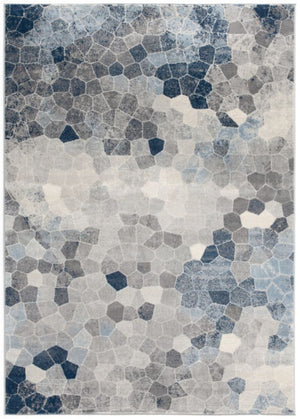
Acentos azul marino y azul descolorido: El azul marino es el color de acento más asociado con el diseño rústico moderno: piense en gabinetes azul marino, cojines azul marino, zócalos azul marino. Una alfombra con acentos geométricos azul marino sobre un fondo crema o marfil es un clásico rústico. Explore las alfombras azules y azul marino.
Los mejores patrones para un look moderno de granja
La elección del patrón es donde las alfombras modernas de granja hacen su declaración más distintiva. El principio clave es la moderación: patrones que implican artesanía y tradición sin abrumar la habitación.
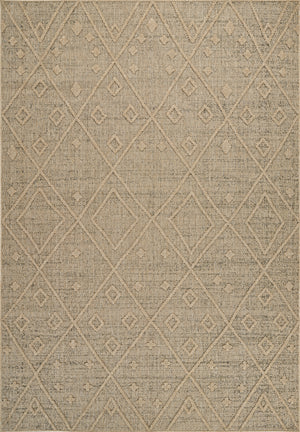
Los patrones de diamantes y enrejados son las opciones geométricas más universalmente apropiadas para una casa de campo. Una cuadrícula de diamantes en crema y gris cálido en una alfombra de 9×12 funciona igualmente bien en una sala de estar de casa de campo, un comedor con una mesa de madera recuperada o un dormitorio principal con ropa de cama de lino. La colección de alfombras geométricas tiene docenas de opciones adyacentes al estilo rústico.
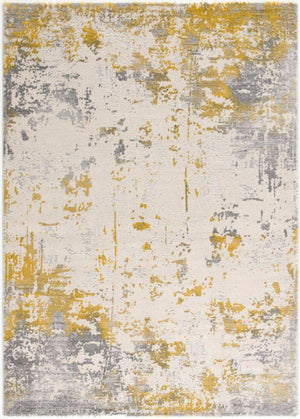
Los patrones desgastados y vintage son cada vez más importantes en el diseño moderno de casas de campo. Estas alfombras tienen el aspecto de alfombras persas o tribales antiguas que se han desvanecido por el sol y se han suavizado con el paso de las décadas, pero están hechas de polipropileno duradero que se limpia fácilmente. Añaden la estética en capas y coleccionada que define los interiores modernos de casas de campo. Explore las alfombras tradicionales, vintage y desgastadas.
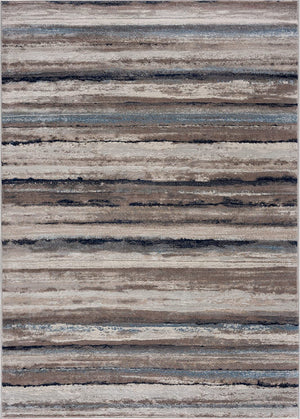
Rayas mínimas y cuadros: Una alfombra de algodón de rayas anchas en crema y gris suave es un elemento básico de las casas de campo, especialmente para cocinas y cuartos de barro. Estas construcciones suelen ser lavables a máquina, lo que añade un atractivo práctico. Explore la colección de alfombras lavables a máquina para opciones de rayas.
Patrones de medallones: Los diseños de medallones centrales a gran escala en tonos apagados, particularmente marfil, gris y terracota, son un puente entre la influencia persa tradicional y la sobriedad rústica. Funcionan especialmente bien en comedores formales y dormitorios principales.
Dónde colocar alfombras modernas de estilo rústico en su hogar
Sala de estar: Centre la alfombra en la disposición principal de los asientos. En una sala de estar moderna de estilo rústico, una alfombra desgastada o con motivos de diamantes en tonos neutros cálidos ancla la agrupación del sofá y une los suelos de madera, las paredes blancas y las piezas de acento de metal oscuro. Lea la guía completa sobre cómo colocar una alfombra de área en su sala de estar para obtener consejos de colocación paso a paso.
Cocina: Una alfombra tipo pasillo a lo largo de la zona de trabajo principal (junto al fregadero o la isla de la cocina) añade comodidad bajo los pies e interés en el patrón sin competir con los azulejos rústicos o los suelos de madera. Busque opciones de polipropileno resistentes a las manchas y fáciles de limpiar o de algodón lavables a máquina.
Habitaciones infantiles y de bebés: El estilo rústico moderno tiene una afinidad natural con el diseño de guarderías: los neutros suaves, las texturas naturales y los patrones suaves crean un ambiente tranquilo y acogedor. Explore las alfombras infantiles para encontrar opciones adecuadas para casas de campo en construcciones duraderas y no tóxicas.
Alfombras superpuestas: Superponer una alfombra más pequeña de yute o sisal sobre una alfombra plana neutra más grande es una técnica de estilo clásica de casa de campo moderna. La textura natural del yute sobre una base lisa de polipropileno añade interés dimensional. Para una guía completa de esta técnica, lea ideas para superponer alfombras.
Las mejores colecciones de alfombras modernas estilo casa de campo en Rug Branch
La colección Savannah es una de las colecciones más adecuadas para casas de campo, con patrones vintage desgastados en tonos crema cálido, terracota y azul grisáceo. La altura del pelo es de aproximadamente 12 mm, suave bajo los pies pero manejable en áreas de alto tráfico.
La Colección Majestic ofrece una construcción tejida a mano con la calidez táctil que exige el diseño rústico. Las alturas de pelo variadas y la textura artesanal son inmediatamente reconocibles como artesanía de calidad.
La colección Nomad presenta patrones de inspiración tribal en tonos rústicos apagados (marfil cálido, óxido suave y azul marino envejecido) que funcionan maravillosamente en salas de estar y comedores rústicos modernos.
Explore las novedades para conocer los últimos patrones adecuados para casas de campo en construcciones de polipropileno y fibra natural, con envío gratuito en cada pedido.
Preguntas frecuentes
P: ¿Cuál es la diferencia entre las alfombras rústicas y las modernas rústicas? R: Las alfombras rústicas tradicionales tienden a ser de construcción ganchillo, trenzada o tejida a mano en colores primarios llamativos (piense en rojo, azul marino y verde bosque en patrones geométricos o folclóricos simples). Las alfombras rústicas modernas utilizan el mismo lenguaje de diseño geométrico y artesanal, pero lo aplican a través de una lente contemporánea: paletas de colores apagados y sofisticados (crema, gris, terracota), efectos desgastados o vintage y patrones geométricos más limpios. La construcción suele ser de polipropileno o lana en lugar de algodón o yute para aplicaciones de alto tráfico.
P: ¿Puede una alfombra rústica funcionar en suelos de madera? R: Sí, y la combinación es una de las más clásicas en el diseño de interiores rústicos. Una alfombra crema o marfil sobre madera de roble cálida crea un hermoso contraste que ancla los grupos de muebles sin competir con la veta natural del suelo. Siempre use una almohadilla de alfombra de calidad para evitar resbalones y proteger la superficie de madera. Lea la guía completa sobre los mejores materiales para alfombras de sala de estar en suelos de madera para recomendaciones de materiales y colocación.
P: ¿Qué tamaño de alfombra es el adecuado para una sala de estar de estilo rústico? R: Para una sala de estar rústica típica con un sofá seccional y sillones de acento, se recomienda una alfombra de 9×12. Para una disposición de sofá y dos sillas, una alfombra de 8×10 con todas las patas delanteras sobre la alfombra es una opción limpia y proporcionada. Evite ir más pequeño que 6×9 para cualquier disposición de asientos de varias piezas; una alfombra demasiado pequeña socava toda la composición. Use la guía de tamaños de alfombras de área para medidas habitación por habitación.
P: ¿Las alfombras de yute funcionan para un look moderno de granja? R: El yute es auténticamente rústico por su textura natural, áspera y su construcción tejida. Sin embargo, es más adecuado para espacios de menor tráfico y áreas que permanecen secas, como comedores, oficinas en casa y dormitorios, en lugar de entradas o cocinas. El yute absorbe la humedad fácilmente, lo que dificulta la limpieza eficaz de derrames. Para áreas rústicas de alto tráfico, las alfombras de polipropileno con un acabado desgastado o texturizado ofrecen la misma calidez visual con una durabilidad significativamente mejor. Explore las alfombras de yute y fibra natural para el aspecto auténtico.
P: ¿Cómo puedo combinar una alfombra moderna de estilo rústico en un espacio abierto? R: En espacios abiertos, las alfombras definen zonas funcionales en lugar de simplemente decorarlas. Use una alfombra de 9×12 o más grande debajo del grupo de asientos principal de la sala de estar para crear una "sala de estar" distinta dentro del plano de planta abierto. Una alfombra de comedor separada (típicamente de 8×10 debajo de una mesa de seis asientos) crea la zona del "comedor". Mantener ambas alfombras en la misma familia de colores, por ejemplo, en tonos neutros cálidos, unifica el espacio sin que parezca abarrotado. Lea la guía sobre cómo usar alfombras de área para definir espacios en hogares de concepto abierto para estrategias de diseño detalladas.
Conclusión
Una alfombra moderna de estilo rústico tiene éxito cuando hace tres cosas: ancla la habitación con calidez y textura, es lo suficientemente práctica para la vida familiar real y tiende un puente entre el carácter histórico del diseño rústico y la intencionalidad limpia de los interiores modernos. Las mejores opciones de materiales son el polipropileno por su durabilidad y facilidad, la lana por su textura y longevidad, y el yute para espacios de menor tráfico que exigen autenticidad natural. Elija un tamaño generoso, tonos naturales apagados y deje que un patrón geométrico simple o desgastado haga el trabajo. Explore la colección completa de alfombras rústicas en Rug Branch, con envío gratuito en cada pedido y cientos de opciones en todos los tamaños y precios.