











Best Wool Area Rugs: The Complete Buyer's Guide for Every Room
Compartir
Best Wool Area Rugs: The Complete Buyer's Guide for Every Room
Introduction
When it comes to choosing the best wool area rugs, few materials come close to the timeless combination of softness, durability, and natural beauty that wool delivers. Wool rugs have been woven into the fabric of home design for centuries — and for good reason. Whether you are furnishing a sun-drenched living room in Los Angeles or warming up a hardwood-floored bedroom in Chicago, wool brings a level of comfort and resilience that synthetic fibers struggle to match.
In this guide, you will discover everything you need to know about choosing the best wool area rugs: how different construction methods affect performance, which sizes work best in each room, how wool compares to popular alternatives like polypropylene and viscose, and how to care for your rug to ensure decades of wear. We also cover realistic price expectations, top styling trends for 2026, and the specific wool rug styles that work best for high-traffic zones versus quiet retreats.
Why Wool Is the Gold Standard for Area Rugs
Wool has remained the premier rug material for a simple reason: it outperforms almost every alternative across every metric that matters to homeowners. Unlike synthetic fibers, wool is naturally flame-resistant — it chars rather than melts when exposed to heat. It is also inherently soil-resistant: the natural lanolin coating on wool fibers repels moisture and prevents stains from setting quickly, giving you time to blot spills before they become permanent.
From a comfort standpoint, wool offers a unique combination of resilience and softness. The fiber springs back after foot traffic, maintaining its pile height far longer than comparable polypropylene or polyester rugs. A quality hand-tufted wool rug with a pile height of 0.4 to 0.6 inches will look nearly as full after five years of daily use as it did on day one — a claim few synthetic rugs can make.
Wool is also a natural insulator. In winter, it traps warm air close to the floor; in summer, its moisture-wicking properties help regulate humidity. For homes in climate zones with distinct seasons — the Midwest, the Northeast, or the Pacific Northwest — a wool rug is not just decorative, it is functional.
Finally, wool is inherently sustainable. It is a renewable, biodegradable fiber that does not release microplastics into waterways when cleaned. If environmental responsibility factors into your buying decision, explore our eco-friendly area rugs collection for naturally-toned wool options with a minimal footprint.
Wool vs. Polypropylene vs. Viscose — Which Material Wins?
Before committing to a wool rug, it is worth understanding exactly how it stacks up against the two most common alternatives. Polypropylene (also called olefin) dominates the budget rug market, while viscose (rayon) appears in many mid-range rugs marketed as silk alternatives. Here is how all three perform across the metrics that matter most:
| Feature | Wool | Polypropylene | Viscose |
|---|---|---|---|
| Durability | Excellent — 20+ year lifespan | Good — 7 to 10 years | Poor — prone to crushing |
| Softness | Very soft, natural texture | Soft when new, stiffens over time | Extremely soft but fragile |
| Stain resistance | Good (natural lanolin) | Excellent (non-absorbent surface) | Poor (absorbs liquids fast) |
| Pile resilience | Excellent — springs back fully | Moderate — flattens with use | Poor — permanent crush marks |
| Price range (8x11) | $199 to $599 | $89 to $249 | $149 to $399 |
| Allergy-friendly | Yes (hypoallergenic when clean) | Generally yes | Generally yes |
| Best for | Living rooms, bedrooms, dining rooms | High-traffic areas, kids rooms | Accent pieces, low-traffic areas |
The verdict is clear: wool wins on longevity and natural performance, polypropylene wins on stain resistance and price, and viscose wins on initial softness — but loses badly on durability. For most living rooms and master bedrooms where you want a rug that looks beautiful for a decade or more, wool is the investment that pays off.
If budget is a primary concern right now, consider a polypropylene option from our best sellers collection while saving for a wool upgrade in your main living space.
The Best Wool Rug Constructions — Hand-Tufted, Hand-Knotted, and Power-Loomed
Wool rugs are made using three primary construction methods, and the method dramatically affects both price and performance.
Hand-knotted wool rugs are the pinnacle of rug craftsmanship. Each individual knot is tied by hand — a 9x12 rug can contain several million knots and take a skilled artisan months to complete. The result is extraordinary durability (these rugs can last 100+ years with proper care), exceptional knot density, and unique character that improves with age. Price range: $400 to $2,000+ for a standard 8x11.
Hand-tufted wool rugs use a tufting gun to push wool loops through a canvas backing, which is then sealed with latex and covered with secondary backing. This method produces excellent pile definition and softness at a fraction of the price of hand-knotting. A quality hand-tufted wool rug in an 8x11 size typically runs $199 to $499. Explore our hand-tufted collection for curated options in this range.
Power-loomed wool rugs are machine-woven at high speeds, typically blending wool with cotton or nylon for added stability. They offer the look of woven texture at accessible prices ($149 to $299 for 8x11) and perform reliably in high-traffic areas.
For most homeowners, hand-tufted wool rugs hit the sweet spot between craftsmanship and value. If you are furnishing a formal dining room or master bedroom where the rug is a genuine focal point, consider stepping up to a hand-knotted option for a piece that becomes a family heirloom.
Best Wool Rug Sizes for Every Room
Choosing the right size is just as important as choosing the right material. A beautiful wool rug loses its impact if it is too small for the room — or overwhelms a modest space by going too large.
Living room: For sofas in the 84 to 96-inch range, an 8x11 or 9x12 rug is the standard choice. All sofa legs on the rug creates the most cohesive look; at minimum, the front two legs should rest on the rug. Check our 9x12 rug selection for large wool options starting at $149.
Dining room: Your rug should extend at least 24 inches beyond the table on all sides so chairs remain on the rug even when pulled out. For a standard 6-person table, a 9x12 is the minimum — many designers recommend 10x14. Browse our dining room rug guide and medium table rug collection for size-matched recommendations.
Master bedroom: A 9x12 placed under the bed with roughly 18 to 24 inches extending on the foot and sides creates the luxury hotel effect. For tighter spaces, an 8x11 or two coordinating runners on each side of the bed work equally well. See our king bed rug collection for proportionally matched options starting at $79.
Home office / study: A 5x7 or 6x9 typically works well under a desk chair. Choose a flatweave or low-pile wool option so desk chair wheels roll smoothly — pile height under 0.3 inches is ideal for rolling furniture.
Small accent areas: A 3x5 wool rug ($39 to $79) placed in an entryway, bathroom, or reading nook adds a premium material touch without a premium price tag. Visit our 3x5 area rugs collection for accessible entry-level wool and wool-blend options.
How to Care for a Wool Area Rug
Wool is durable, but it requires slightly different care than synthetic rugs. Following these practices extends your rug life significantly.
Vacuuming: Vacuum wool rugs one to two times per week in high-traffic areas using a suction-only setting or a beater brush set to high clearance. Aggressive beating can break wool fibers over time. Always vacuum in the direction of the pile.
Spill response: Blot (never rub) spills immediately with a clean white cloth. Wool natural lanolin gives you a small buffer — most liquids bead on the surface for 30 to 60 seconds before absorbing. For wine, coffee, or oil-based spills, apply cold water and mild dish soap, then blot dry.
Deep cleaning: Wool rugs should be professionally cleaned every 12 to 18 months for high-traffic placement. For low-traffic rooms, every 2 to 3 years is sufficient. Do not machine wash most wool rugs — agitation can cause shrinkage and felting. Our washing machine guide clarifies which rug types are machine-safe.
Rug pads: Always use a quality rug pad under wool rugs. Beyond preventing slipping, a pad reduces mechanical stress on the pile from foot traffic and significantly extends pile resilience. Our premium rug pads are specifically designed for wool rug compatibility and start at $29.
Rotation: Rotate your wool rug 180 degrees every 6 to 12 months to ensure even wear, especially in areas with directional foot traffic or uneven sunlight exposure. This simple habit can add years to a rug visual life.
Best Wool Rug Styles for 2026
Wool is an extraordinarily versatile fiber — it accepts dye beautifully, holds intricate pattern definition, and works across virtually every design aesthetic. Here are the styles gaining momentum in 2026.
Persian and traditional patterns: Classic Persian motifs in rich burgundy, navy, and ivory remain perennially popular. A hand-tufted Persian-style wool rug grounds a traditional or transitional living room and pairs exceptionally well with wood furniture and leather upholstery. Explore our Persian rugs collection for authentic-style options.
Minimalist and plain-coloured wool: Solid-colour wool rugs in warm neutrals — oatmeal, sage, terracotta, and dusty blue — are having a major moment in 2026. These work in Scandinavian, mid-century modern, and contemporary interiors without competing with other design elements. Our plain rugs collection features solid wool options in 30+ colourways.
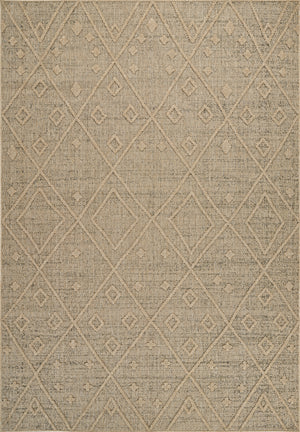
Geometric patterns: Bold geometric wool rugs add graphic energy to modern and bohemian spaces without feeling dated. A wool geometric in a muted palette — slate, cream, and charcoal — has a timeless quality that synthetic geometrics struggle to replicate. See our geometric rugs collection for current designs.
Textured and high-low pile: Wool natural crimp lends itself beautifully to textured weaves with varying pile heights. These rugs add tactile dimension to neutral interiors — particularly effective in living rooms where a rug needs to anchor the space without competing with colorful upholstery.
For comprehensive 2026 trend guidance, our blog post on are area rugs still in style breaks down which patterns and textures are gaining traction this year.
Frequently Asked Questions
Q: Are wool area rugs worth the higher price? A: For most homeowners, yes — particularly for living rooms and master bedrooms that see daily use. A quality wool rug typically lasts 15 to 30 years with proper care, while a comparable polypropylene rug may need replacing after 7 to 10 years. When you amortize the cost over the rug lifespan, wool often works out to a lower annual expense. The natural fiber also holds its shape and color better over time, meaning your space continues to look intentional rather than worn.
Q: Do wool area rugs shed? A: New wool rugs shed loose fibers during the first 3 to 6 months of use — this is completely normal and not a defect. The shedding decreases significantly after the initial break-in period. Vacuuming regularly (2 to 3 times per week during this phase) accelerates the process. Hand-knotted wool rugs typically shed less than hand-tufted options because pile fibers are anchored more securely at each individual knot point, resulting in less loose fiber from the start.
Q: What pile height is best for a wool rug in a high-traffic area? A: For high-traffic areas like living rooms, hallways, and dining rooms, choose wool rugs with a pile height between 0.25 and 0.5 inches. Lower pile is more durable under foot traffic and furniture legs, easier to vacuum, and less prone to crushing. Reserve plush high-pile wool options (0.75 inches and above) for bedrooms and reading nooks where traffic is minimal and luxurious softness underfoot is the priority.
Q: Can wool rugs be used on hardwood floors? A: Absolutely — wool rugs are excellent on hardwood floors. Always use a quality rug pad beneath any wool rug on hardwood. The pad prevents sliding, protects the hardwood finish from abrasion, and significantly extends the life of the rug by reducing impact stress on the pile fibers. For the best combination, choose a non-slip felt-and-rubber pad rated specifically for hardwood floor compatibility.
Q: How do I know if a wool rug is real wool or a synthetic blend? A: Burn a few fibers from an inconspicuous edge: real wool burns slowly, smells like burning hair, and produces a crushable ash. Synthetic fibers melt, bead, or produce black smoke. Product labels should specify the wool percentage — look for 80%+ wool content for meaningful durability and performance benefits. New Zealand wool and hand-spun Tibetan wool are premium designations that indicate superior fiber quality and longer staple length.
Conclusion
The best wool area rugs combine centuries of craft tradition with the kind of natural performance that synthetic materials consistently fall short of replicating. Three things to remember: wool natural lanolin provides inherent stain resistance and flame retardancy that no polypropylene rug can offer. The right construction — hand-tufted for value, hand-knotted for heirlooms — determines both price point and longevity. And proper sizing is everything: a wool rug that fits the room creates harmony; one that is too small creates chaos. Ready to find your perfect wool rug? Browse our full hand-tufted collection and new arrivals for the latest wool styles with free shipping across the USA and Canada.