











La mejor alfombra para comedor: la guía de compra completa
Compartir
Encontrar la alfombra ideal para el comedor es una de las decisiones más importantes —y a menudo incomprendidas— en la decoración del hogar. La alfombra adecuada une tu área de comedor, define el espacio, protege los pisos de madera o baldosas del arrastre constante de las sillas y añade una textura y calidez que un piso desnudo simplemente no puede ofrecer. Pero muchos propietarios cometen errores costosos: comprar una alfombra dos tallas más pequeña (el error número uno en alfombras de comedor), elegir un material hermoso que no puede soportar la caída de pasta, o seleccionar un patrón llamativo que choca con todo lo demás en la habitación.
En esta guía, aprenderás las reglas exactas para elegir el tamaño de una alfombra de comedor, qué materiales realmente resisten los derrames de comida y el roce diario de las sillas, qué estilos funcionan con las tendencias de diseño de comedores más populares de hoy en día, y cómo coordinar tu alfombra con tus muebles y decoración existentes. Ya sea que estés amueblando un desayunador de 4 asientos o un comedor formal de 10 asientos, estos principios —respaldados por medidas reales— te ayudarán a elegir con confianza.
Cómo elegir el tamaño de una alfombra de comedor: hazlo bien desde el principio
El tamaño es el factor más importante al elegir una alfombra de comedor, y el más comúnmente malinterpretado. La regla universal: tu alfombra debe ser lo suficientemente grande para que todas las patas de las sillas permanezcan sobre ella incluso cuando las sillas estén retiradas. Si las sillas se deslizan fuera del borde de la alfombra cuando alguien se sienta, la alfombra es demasiado pequeña, punto.
Aquí está la fórmula: mide el largo y ancho de tu mesa de comedor, luego añade al menos 24 pulgadas (60 cm) por los cuatro lados. Esto considera la profundidad de la silla cuando está empujada, más las aproximadamente 18–20 pulgadas que una silla se desliza hacia atrás cuando alguien se sienta.
Tamaños estándar por mesa:
- Mesa de 4 asientos (91x91 cm o 91x122 cm): alfombra mínima de 1.83x2.74 m — a partir de $149
- Mesa de 6 asientos (91x183 cm o 102x183 cm): alfombra mínima de 2.44x3.05 m o 2.44x3.35 m — a partir de $199
- Mesa de 8 asientos (102x213 cm o 107x213 cm): alfombra de 2.74x3.66 m es ideal — desde $249 en adelante
- Mesa de 10 asientos o más grande: busca alfombras de 3.05x4.27 m o tamaños personalizados
Para mesas redondas: añade 48–60 pulgadas al diámetro de la mesa y elige una alfombra redonda. Una mesa redonda de 122 cm necesita al menos una alfombra redonda de 2.74 m.
Consejo profesional: marca las dimensiones de la alfombra en tu suelo con cinta de pintor antes de comprar. Lo que parece grande en una sala de exposición puede sentirse muy diferente en tu habitación real con muebles alrededor.
Explora las alfombras de 2.44x3.35 m y las alfombras de 2.74x3.66 m de Rug Branch para encontrar el tamaño adecuado para tu mesa.
Los mejores materiales para una alfombra de comedor
El comedor es un entorno de alto riesgo para las alfombras. Caídas de comida, derrames de vino, salpicaduras de grasa y el movimiento diario de las sillas crean patrones de desgaste que la mayoría de los materiales delicados simplemente no pueden soportar. Así es como resisten los materiales más populares:
Polipropileno (sintético): La opción principal para comedores. Resistente a las manchas, a la decoloración, fácil de limpiar puntualmente y sorprendentemente duradero bajo las ruedas de las sillas. Una alfombra de polipropileno de calidad puede durar más de 10 años en un comedor con el cuidado adecuado. La mayoría de las alfombras lavables a máquina usan mezclas de polipropileno. Rango de precios: $79–$299 para tamaños adecuados para comedor.
Lana: Naturalmente resistente a las manchas —la lanolina en las fibras de lana repele la humedad— y excepcionalmente duradera durante décadas de uso. Una alfombra de lana bien hecha puede durar más que una de polipropileno por años. Las desventajas: el precio (típicamente 2–3 veces más alto) y el hecho de que la limpieza profunda requiere ayuda profesional. Mejor para comedores formales donde los derrames son poco frecuentes. Desde $249 para tamaños de 2.44x3.05 m.
Algodón: Suave, asequible y a menudo lavable a máquina, una ventaja genuina para un fácil mantenimiento. La desventaja es la durabilidad; las alfombras de algodón se aplanan más rápido bajo las patas de las sillas y muestran desgaste antes que la lana o el polipropileno. Mejor para comedores de uso ligero o donde la flexibilidad del presupuesto es lo más importante.
Yute y fibra natural: Hermosa textura y estética terrosa, pero una mala elección para comedores. Las fibras naturales como el yute y el sisal absorben los líquidos en lugar de repelerlos, lo que hace que la eliminación de manchas sea extremadamente difícil. Limítate al yute en salas de estar o dormitorios; explora la colección de yute y fibras naturales de Rug Branch para esos espacios.
Tejido plano (Flatweave): Las alfombras delgadas y de tejido apretado (estilo kilim, dhurrie) son una opción inteligente para el comedor. No hay pelo que atrape las migas, la superficie es fácil de barrer y limpiar puntualmente, y las sillas se deslizan suavemente sobre la superficie de perfil bajo. La desventaja es menos amortiguación bajo los pies y una sensación de superficie más dura en comparación con las alfombras de pelo.
Estilos de alfombras de comedor que funcionan
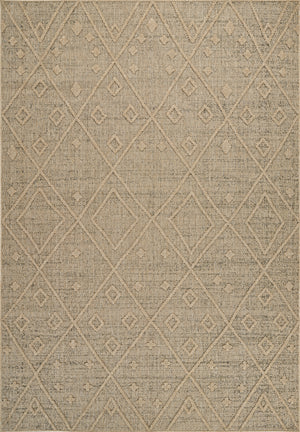
Los patrones transicionales (geométricos, medallón, motivos tradicionales sutiles) son la opción más versátil para el comedor. Combinan con la mayoría de los estilos de muebles, ocultan pequeñas manchas entre limpiezas profundas y funcionan igual de bien en comedores modernos y tradicionales. Consulta la colección de alfombras transicionales de Rug Branch para opciones en todos los rangos de precios.
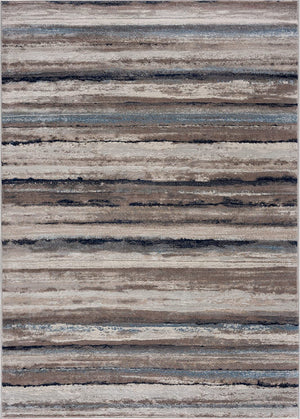
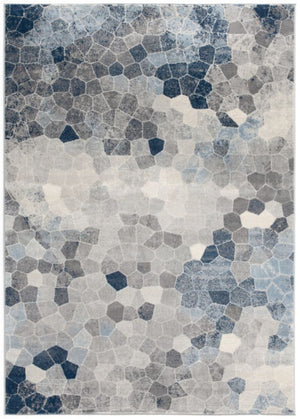
Los diseños geométricos y abstractos añaden interés visual sin la carga visual de los florales tradicionales. Los patrones geométricos audaces camuflan naturalmente las migas y las pequeñas manchas entre sesiones de limpieza, una ventaja práctica en una habitación que se usa a diario para comer.
Los tonos sólidos y casi sólidos funcionan brillantemente cuando tus muebles de comedor ya son un elemento destacado. Una alfombra sólida en terracota intenso o azul marino profundo puede anclar una mesa de comedor neutra maravillosamente sin competir con ella. Explora las alfombras en tonos tierra y naturales de Rug Branch o la Colección Vogue para opciones sólidas sofisticadas en texturas premium.
Los patrones persas y tradicionales son una opción clásica para comedores formales. El diseño intrincado camufla naturalmente las pequeñas manchas entre limpiezas profesionales y aporta una sensación de herencia y artesanía. La Colección Emir ofrece opciones tradicionales ricas a precios accesibles.
Estilos a considerar con cautela: Los sólidos muy claros (crema, blanco, marfil) requieren mucho mantenimiento en comedores; cada miga y gota es inmediatamente visible. Si te encanta este aspecto, elige una opción robusta y lavable a máquina. Las alfombras de pelo largo tipo shag son problemáticas: las patas de las sillas se hunden en el pelo, el movimiento se vuelve difícil y el desgaste se acelera rápidamente en los puntos de presión.
Guía de colores de alfombras para comedor
Elegir el color adecuado implica equilibrar el acabado de tu mesa, el color de la pared, la tapicería y la luz natural.
| Situación de la habitación | Color de alfombra recomendado | Razonamiento |
|---|---|---|
| Paredes blancas o crema, mesa de madera clara | Terracota cálido, óxido o verde oscuro | Añade calidez; asienta una paleta clara |
| Mesa de nogal oscuro, paredes grises o azul marino | Marfil, crema o beige cálido | Ilumina el espacio; evita una oscuridad excesiva |
| Planta abierta: el comedor fluye hacia la sala | Combina un color dominante de la alfombra de la sala | Crea fluidez visual y continuidad |
| Muebles completamente neutros | Alfombra con patrón audaz (geométrico azul marino, persa) | La alfombra se convierte en la pieza central |
| Sillas de comedor tapizadas con colores llamativos | Patrón sólido o tonal sutil | Permite que las sillas destaquen sin chocar |
| Comedor pequeño | Colores claros, patrones de bajo contraste | Hace que el espacio se perciba más grande |
Consejo de color: si tus sillas de comedor tienen asientos tapizados, elige uno de esos colores para tu alfombra. Incluso una conexión tonal sutil une la habitación y hace que todo el espacio se sienta diseñado en lugar de simplemente montado.
Explora las alfombras terracota y óxido, las alfombras azules y azul marino, o las alfombras beige y topo para encontrar tu tono ideal.
No olvides la base antideslizante
Una base antideslizante de calidad es esencial debajo de una alfombra de comedor. Evita que la alfombra se mueva por el suelo cuando las sillas se empujan y tiran, prolonga la vida útil de la alfombra amortiguándola contra el impacto del suelo duro y protege tu madera o baldosa del material de respaldo de la alfombra.
Para comedores específicamente, elige una base delgada y firme en lugar de una gruesa y acolchada. Las bases acolchadas permiten que las sillas se balanceen ligeramente sobre una superficie inestable, lo que resulta incómodo durante las comidas. La Base Antideslizante Premium de Rug Branch está disponible en tamaños cortados a medida y es ideal para pisos duros. Calcula entre $29 y $59 para una base bien ajustada; extenderá la vida útil de tu alfombra por años y costará una fracción de lo que vale una alfombra de reemplazo.
Cómo proteger y limpiar tu alfombra de comedor
Cuidado rutinario: Aspira al menos dos veces por semana en un comedor; las migas y los restos de comida se incrustan rápidamente en el pelo. Para alfombras de tejido plano, voltéalas y aspira la parte inferior ocasionalmente para eliminar las partículas finas atrapadas.
Limpieza de manchas (la habilidad esencial): Actúa dentro de los 30 segundos posteriores a un derrame. Seca —nunca frotes— con un paño blanco limpio. Frotar extiende la mancha lateralmente y daña las fibras. Para vino tinto: agua fría y una pequeña cantidad de jabón para platos, secando repetidamente. Para aceite y grasa: espolvorea bicarbonato de sodio primero, déjalo reposar 10 minutos para que absorba la grasa, luego aspira antes de secar con agua jabonosa.
Rotación: Gira tu alfombra de comedor 180° cada 6 meses. Las patas de las sillas desgastan los mismos puntos repetidamente; la rotación distribuye este desgaste de manera uniforme y extiende significativamente la vida útil de la alfombra. Consulta la guía de Rug Branch sobre cómo aumentar la vida útil de las alfombras para más consejos de mantenimiento.
Protección de las patas de las sillas: Añade tapas de fieltro o protectores de goma a todas las patas de las sillas de comedor. Esto reduce el enganche de las fibras del pelo y evita daños en el suelo si la alfombra se mueve durante el uso.
Limpieza profesional: Una vez al año para alfombras de polipropileno usadas diariamente en un comedor; cada 18 meses para alfombras de lana. Para técnicas de cuidado diario, consulta la guía de limpieza de alfombras de Rug Branch.
Preguntas frecuentes
P: ¿Qué tamaño de alfombra debe ir debajo de una mesa de comedor para 6 personas? R: Una mesa de comedor para 6 personas suele medir de 91x183 cm a 102x198 cm. Necesitas como mínimo una alfombra de 2.44x3.05 m, pero una de 2.44x3.35 m o 2.74x3.66 m es mejor si tu habitación lo permite. La regla clave: añade 60 cm a los cuatro lados de la mesa para que las sillas permanezcan completamente sobre la alfombra cuando se tiren hacia atrás. Una alfombra que es ligeramente demasiado grande es mucho mejor que una demasiado pequeña; las alfombras de comedor de tamaño insuficiente se ven extrañas y crean una experiencia de asiento incómoda.
P: ¿Debe una alfombra de comedor extenderse más allá de las sillas? R: Sí, y este es el error más común que cometen los propietarios. La alfombra debe extenderse al menos 45-60 cm más allá de cada lado de la mesa para acomodar el movimiento de las sillas. Cuando alguien se sienta y tira de su silla hacia atrás, las cuatro patas de la silla deben permanecer completamente sobre la alfombra. Si las patas se deslizan fuera del borde de la alfombra al sentarse, necesitas aumentar el tamaño de inmediato.
P: ¿Cuál es el mejor material para una alfombra de comedor? R: El polipropileno es la opción más práctica para la mayoría de los hogares: resistente a las manchas, fácil de limpiar, duradero bajo las patas de las sillas y disponible a precios accesibles. La lana es superior en durabilidad a largo plazo y resistencia natural a las manchas si puedes manejar el costo más alto y la limpieza profesional ocasional. Evita el yute, el sisal y las alfombras de pelo largo tipo shag en los comedores: atrapan la comida, absorben los derrames y se desgastan rápidamente bajo la presión repetitiva del movimiento de las sillas.
P: ¿Se puede poner una alfombra redonda debajo de una mesa de comedor redonda? R: Sí, y a menudo se ve excepcional. Una alfombra redonda debajo de una mesa redonda crea una composición armoniosa y equilibrada que se siente intencional y elegante. Mide la alfombra para que se extienda al menos 60 cm más allá del borde de la mesa en todas las direcciones. Para una mesa redonda de 122 cm, elige una alfombra redonda mínima de 2.74 m. Explora las alfombras redondas de Rug Branch para opciones de tamaño y estilo que funcionan maravillosamente en comedores.
P: ¿Cómo se mantiene limpia una alfombra de comedor entre limpiezas profundas? R: Aspira dos veces por semana para evitar la acumulación de migas y restos. Limpia las manchas inmediatamente secando con agua fría y una pequeña cantidad de jabón suave para platos; nunca frotes. Gira la alfombra 180° cada seis meses para igualar el desgaste de las patas de las sillas. Añade tapas de fieltro a las patas de las sillas para evitar que las fibras se enganchen. Para opciones de polipropileno lavables a máquina, sigue las instrucciones de cuidado del fabricante; muchas soportan un ciclo frío suave con facilidad, lo que facilita el mantenimiento rutinario para hogares ocupados.
Conclusión
La mejor alfombra para un comedor cumple tres requisitos innegociables: es lo suficientemente grande como para mantener todas las sillas sobre la alfombra cuando se retiran, está hecha de un material que soporta derrames y el uso diario sin deteriorarse, y su estilo une la habitación en lugar de competir con tus muebles.
Para la mayoría de los hogares, una alfombra de polipropileno de 2.44x3.05 m o 2.74x3.66 m con un patrón geométrico transicional o tradicional sutil es la opción más segura e inteligente: duradera, fácil de mantener y lo suficientemente versátil como para adaptarse a muchas direcciones de decoración. ¿Listo para encontrar la tuya? Explora la colección de alfombras para mesas de comedor grandes en Rug Branch y compra con confianza, sabiendo que cada pedido se envía gratis en EE. UU. y Canadá.