











The Best Area Rug for a Craft Room: Durable, Easy-Clean Picks
Partager
The best area rug for a craft room is the one that survives paint drips, glitter storms, and glue spills while still making the space feel bright and inspiring. A craft room rug has a harder job than almost any other rug in your home — it has to be tough, easy to clean, and comfortable enough to stand or sit on for hours. In this guide you'll learn which materials handle craft-room chaos, what pile height keeps rolling chairs and spills manageable, how to pick a size that fits a work table and supply zone, and what to budget for a rug that can take a beating and keep looking good.
Whether your craft room is a dedicated studio, a corner of the basement, or a converted spare bedroom, the floor is where the mess lands. Choose the rug with cleanup in mind first and style second, and you'll get both.
Why Your Craft Room Deserves a Purpose-Built Rug
Craft rooms are messy by design, so it's tempting to skip a rug entirely and leave the floor bare. But a well-chosen rug earns its place. It cushions your feet during long standing sessions at a cutting table, quiets the room so you can focus, protects the floor beneath from dropped scissors and spilled mediums, and adds the kind of warmth that makes a workspace feel like a creative retreat instead of a utility room.
The key is choosing a rug that treats spills and traffic as expected, not catastrophic. That means leaning toward the same qualities you'd want in a busy kitchen or entryway: stain resistance, low maintenance, and — ideally — washability. Many of the principles in our guide to easy-to-clean area rugs for busy living rooms apply directly to a craft space.
Best Materials for a Craft Room Rug
Material is the single most important decision for a craft room, because it determines how the rug responds to the inevitable spill. Here's how the main options compare for a hardworking studio.
| Material | Stain Resistance | Cleanability | Comfort | Best For |
|---|---|---|---|---|
| Polypropylene | Excellent | Wipe/spot clean | Medium | Paint, ink, general mess |
| Machine-washable | Excellent | Full machine wash | Medium-soft | Heavy spills, kids' crafts |
| Wool | Good (natural lanolin) | Spot clean | High | Warmth, dry crafts, knitting |
| Jute/natural fiber | Poor (stains set) | Difficult | Low-medium | Dry, low-spill craft zones |
For most craft rooms, polypropylene is the workhorse choice — it resists stains, shrugs off fading from studio lighting or a sunny window, and wipes clean easily. If your crafting involves a lot of wet mediums (paint, dye, resin) or you share the space with kids, a machine-washable rug is the ultimate insurance: when a project goes sideways, the whole rug goes in the wash. Explore stain-fighting options in the easy-clean-friendly best sellers to start.
Save wool and jute for craft rooms centered on dry crafts — knitting, scrapbooking, sewing — where warmth and texture matter more than spill resistance. A wool rug brings cozy comfort to a quilting or knitting studio.
Pile Height and Rolling Craft Chairs
If your craft room has a rolling chair or you move a wheeled cart of supplies around, pile height becomes critical. Tall, plush pile fights against casters, catches on cart wheels, and traps crumbs of thread, paper, and glitter deep in the fibers.
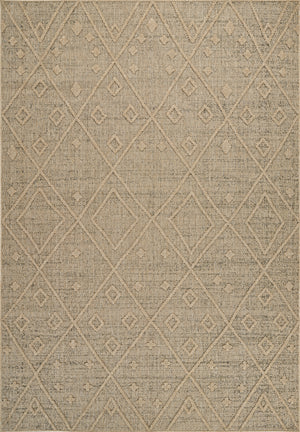
For any craft room with wheeled furniture, choose a low-pile or flatweave rug. It lets chairs roll freely, cleans up fast, and doesn't swallow small dropped items like beads and pins. A flatweave from the geometric collection or a low-pile contemporary rug gives you a smooth, wheel-friendly surface.
Even with low pile, add a rug pad. A good pad from the rug pad collection keeps the rug locked in place so it won't bunch under a rolling chair, and it adds a touch of standing comfort. Our explainer on why you need a rug pad makes the case in full.
Choosing the Right Size for Your Craft Room
Craft room sizing revolves around your work zone — usually a table, desk, or cutting surface — plus room to push a chair back and step around. You want the rug to cover the main standing-and-sitting area without running under storage shelves or cabinets where it can't be easily cleaned.
- Small craft corner or single desk: a 4'×6' rug defines the work zone neatly.
- Craft table with a chair: a 5'×7' rug lets the table and chair sit on the rug with room to slide back.
- Large studio or shared work table: an 8'×11' rug anchors a big central table for a finished, grounded look.
- Narrow galley-style studio: a runner rug runs the length of a workbench.
If you're between sizes, our rug size guide helps you measure the exact footprint. As a rule, size up rather than down — a rug that's too small forces your chair half-on, half-off, which is both awkward and rough on the fibers.
Color and Style to Spark Creativity
A craft room is your permission slip to have fun with color. Because it's a personal, inspiration-driven space, you don't have to match it to the rest of the house. Bright, energizing tones or bold patterns can fuel creativity, while calm neutrals keep the focus on your projects.
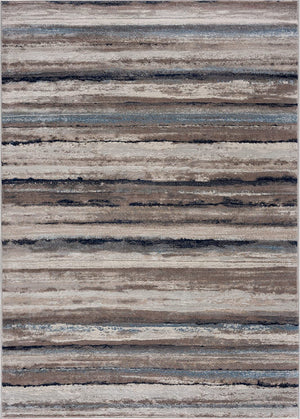
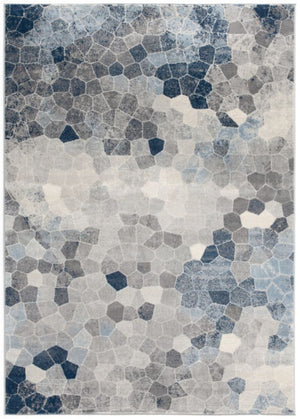
For an inspiring, saturated look, a multi-colored rug hides mess brilliantly and adds visual energy — a genuine practical bonus in a room prone to stains. For a clean, gallery-like studio that lets your materials pop, a minimalist rug or a soft solid from the grey collection keeps things serene. If you want texture and warmth, a patterned bohemian rug brings personality. Choosing a busier pattern is genuinely strategic here: our guide on choosing the right rug color notes that patterns and mid-tones disguise everyday marks far better than pale solids.
What to Budget for a Craft Room Rug
The good news: because durability matters more than luxury materials in a craft room, you can get a hardworking rug at a very reasonable price. Synthetic and washable rugs deliver exactly the toughness you need without a premium cost. Here's a realistic range at Rug Branch:
- Small rugs (3'×5', 4'×6'): starting around $39–$79
- Runner rugs (for workbench zones): $49–$129
- Mid-size (5'×7', 6'×9'): $79–$149
- Large (8'×11', 9'×12'): $149–$399 for a full studio
- Rug pads: $29–$79
Because craft rooms take abuse, buying a well-priced synthetic you won't stress about is smarter than an expensive rug you're afraid to use. With free shipping and easy returns, you can test the rug in your studio's actual lighting. Browse deals of the week for the best value on durable options.
Matching the Rug to Your Type of Crafting
Not all craft rooms are the same, and the ideal rug depends heavily on what you actually make in the space. Tailoring the rug to your primary craft saves you from either overspending on durability you don't need or under-buying and regretting it after the first spill.
For painters, resin artists, and dyers, spill resistance is everything. A machine-washable or heavy-duty polypropylene rug in a darker or multi-tonal pattern hides the inevitable splatter and cleans up without drama. Skip pale solids and delicate naturals entirely — they'll show every drip.
For sewers, quilters, and knitters, the enemy isn't spills but dropped pins, needles, and thread. A tight low-pile or flatweave surface keeps small metal objects visible and easy to retrieve instead of swallowing them, and it won't snag yarn. A warm wool or soft synthetic adds the cozy comfort that long stitching sessions call for.
For paper crafters, scrapbookers, and card makers, the priority is a smooth, stable surface and easy vacuuming to clear away trimmings and confetti. A low-pile contemporary rug in a fun color keeps the mood creative while making cleanup a thirty-second job.
For shared family craft spaces and kids' art zones, go straight to washable. Kids' crafting is gloriously messy, and a kids rug or washable option means a ruined project never means a ruined rug. Whatever your craft, matching the rug to the mess is the difference between a floor you protect and a floor you stress about.
Cleaning a Craft Room Rug After the Mess
Craft rugs get dirty — that's the job. Blot wet spills immediately with a clean cloth before they set. Vacuum regularly to lift glitter, thread, and paper scraps (a low-pile rug makes this far easier). For synthetic and washable rugs, most stains lift with mild soap and water or a full machine wash. For deeper messes, our guide on area rug cleaning tips covers targeted stain removal. Keeping a low-pile, stain-resistant rug from the start turns cleanup from a chore into a quick wipe.
Frequently Asked Questions
Q: What is the best rug material for a craft room? A: Polypropylene is the top all-around choice — it resists stains, wipes clean, and fights fading from studio lighting. For heavy wet crafts or kids' projects, a machine-washable rug is even better because you can wash the entire rug. Save wool and jute for dry-craft rooms like knitting or scrapbooking studios where spills are rare.
Q: Can I put a rolling craft chair on an area rug? A: Yes, but choose a low-pile or flatweave rug so the casters roll smoothly and don't catch. Tall, plush pile fights against wheels and traps small dropped items. Always add a rug pad so the rug stays put and doesn't bunch when you push the chair back.
Q: How do I protect a craft room rug from paint and glue? A: Start with a stain-resistant synthetic or washable rug, then blot any spill immediately before it sets. A multi-colored or patterned rug disguises the inevitable marks that slip through. Regular vacuuming keeps dry mess like glitter and thread from working into the fibers.
Q: What size rug do I need for a craft room? A: Size it to your work zone plus room to move a chair. A 4'×6' suits a single desk, a 5'×7' fits a craft table with a chair, and an 8'×11' anchors a large studio table. Keep the rug out from under storage shelves so it stays easy to clean.
Q: Are washable rugs durable enough for a busy craft room? A: Yes. Machine-washable rugs are built for exactly this kind of high-mess, frequent-cleaning environment. They handle repeated washing without falling apart, resist staining between washes, and cost less than premium wool — making them one of the smartest choices for a hardworking craft space.
Conclusion
A craft room rug has to earn its keep, and the formula is straightforward: prioritize a stain-resistant, easy-clean material like polypropylene or a machine-washable rug, keep the pile low so chairs roll and glitter vacuums up, and size it to cover your work zone with room to move. Lean into bold colors or patterns that hide mess while sparking creativity, and don't forget a rug pad to keep everything anchored. Because durability beats luxury here, you can build the perfect creative floor for well under $150 in most rooms. Ready to protect your studio floor in style? Explore the machine washable rugs collection and find a rug that can keep up with your creativity.