





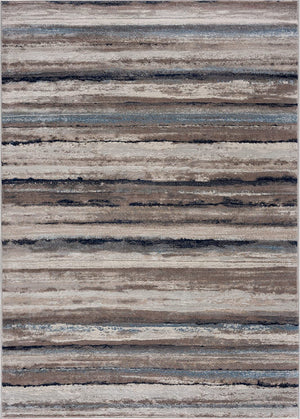


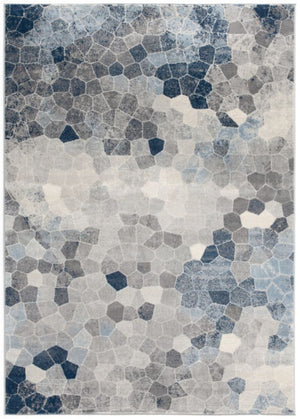


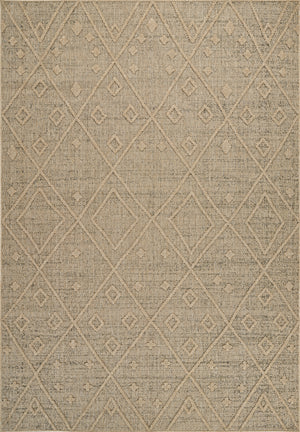


Alfombras Impermeables para Exteriores: La Guía Completa de 2026 para un Estilo de Patio para Todo Clima
Compartir
Alfombras Impermeables para Exteriores: La Guía Completa de 2026 para un Estilo de Patio para Todo Clima
Si alguna vez has llegado a casa y has encontrado tu alfombra exterior empapada, descolorida o con moho después de una temporada de lluvias, ya sabes por qué las alfombras impermeables para exteriores son importantes. No todas las "alfombras para exteriores" cumplen con esa etiqueta; algunas absorben agua y tardan días en secarse, mientras que otras desarrollan moho debajo después de unas pocas temporadas húmedas. Esta guía aclara la confusión para explicar qué hace que una alfombra exterior sea realmente resistente a la intemperie, qué materiales tienen el mejor rendimiento y cómo elegir la alfombra impermeable adecuada para tu patio, terraza o balcón en 2026.
Ya sea que estés equipando un patio soleado en California o una terraza empapada por la lluvia en el Pacífico Noroeste, la alfombra impermeable adecuada se mantendrá fresca toda la temporada, y durante todo el año.
¿Qué hace que una Alfombra de Exterior sea Verdaderamente Impermeable?
El término "impermeable" en una alfombra de exterior puede significar diferentes cosas. En su forma más básica, una alfombra impermeable no absorbe agua, sino que permite que el agua pase a través o se escurra por la superficie en lugar de ser absorbida por las fibras. Esto es diferente de "resistente al agua", que simplemente significa que el material ralentiza la absorción de agua.
Tres propiedades determinan cuán impermeable es realmente una alfombra de exterior:
Construcción de la fibra: Las fibras sintéticas como el polipropileno (también llamado olefina), el poliéster PET y el plástico reciclado no absorben la humedad de la misma manera que las fibras naturales. El agua se desliza o pasa a través del tejido.
Material del respaldo: Incluso si las fibras de la superficie son sintéticas, un respaldo de espuma o látex puede atrapar agua debajo y crear las condiciones ideales para el moho. Busca respaldos de tejido abierto o de goma de grado marino que permitan el drenaje.
Altura del pelo y densidad del tejido: Las alfombras de pelo bajo y tejido plano se secan más rápido que las alfombras de pelo alto y mullidas. Una alfombra densamente tejida puede retener el agua por más tiempo, incluso si las fibras son técnicamente sintéticas.
Las mejores alfombras impermeables para exteriores combinan fibras sintéticas con un respaldo transpirable de tejido abierto, de modo que el agua pasa a través y la alfombra se seca en unas pocas horas, incluso después de una lluvia intensa.
Los Mejores Materiales para Alfombras Impermeables de Exterior
No todos los materiales de alfombras de exterior son iguales en cuanto a resistencia al agua. Aquí tienes un desglose de las opciones más comunes:
Polipropileno (Olefina): El estándar de oro para alfombras de exterior. El polipropileno es inherentemente hidrofóbico: el agua simplemente no se une a la fibra a nivel molecular. También está estabilizado contra los rayos UV, lo que significa que los colores no se desvanecerán incluso después de años de exposición directa al sol. La mayoría de las alfombras de exterior en Rug Branch utilizan construcción de polipropileno precisamente por esta razón.
PET (Poliéster Reciclado): Fabricadas a partir de botellas de plástico recicladas, las alfombras de exterior de PET son cada vez más populares tanto por su rendimiento como por su sostenibilidad. No son tan repelentes al agua como el polipropileno, pero se secan rápidamente y resisten bien las manchas. Las alfombras de exterior de plástico reciclado son una excelente opción ecológica.
PVC/Vinilo: Totalmente impermeables, nada las traspasa. Las alfombras y tapetes de PVC para exteriores son comunes en áreas de piscina y cubiertas de barcos. La desventaja es que pueden calentarse bajo el sol directo y sentirse menos cómodas bajo los pies.
Nylon: Duradero y algo resistente al agua, pero menos ideal para exteriores que el polipropileno porque absorbe la humedad más fácilmente y puede desvanecerse más rápido sin tratamiento UV.
Fibras naturales (yute, sisal, hierba marina): No aptas para un uso exterior verdadero. Estos materiales absorben mucha humedad, se hinchan, desarrollan moho y se desintegran. Incluso las afirmaciones de "interior-exterior" en alfombras de fibra natural deben tratarse con escepticismo.
| Material | ¿Impermeable? | Resistencia a los rayos UV | Se seca rápidamente | Ideal para |
|---|---|---|---|---|
| Polipropileno | Excelente | Excelente | Sí (2-4 hrs) | Todos los espacios exteriores |
| Poliéster PET | Muy bueno | Bueno | Sí (4-6 hrs) | Patios ecológicos |
| PVC/Vinilo | Perfecto | Bueno | Inmediato | Cubiertas de piscina, áreas húmedas |
| Nylon | Moderado | Moderado | Moderado | Solo patios cubiertos |
| Yute/Sisal | Pobre | Pobre | No (absorbe humedad) | Solo uso interior |
Elegir el Tamaño Correcto de Alfombra Impermeable para tu Patio o Terraza
El tamaño es tan importante en exteriores como en interiores. Una alfombra demasiado pequeña parece un felpudo; una demasiado grande puede atrapar la humedad contra las tablas de tu terraza si se extiende más allá del área de drenaje.
Pautas de tamaño estándar:
- Balcón pequeño (menos de 1.8x2.4 m): Una alfombra de 1.5x2.1 m o una alfombra de pasillo funciona bien, dejando al menos 30 cm de cubierta descubierta por todos los lados.
- Patio mediano (alrededor de 3x3.6 m): Una alfombra de 2.4x3.3 m centra cómodamente el espacio, definiendo una zona de asientos sin cubrir toda la superficie.
- Terraza grande o área de comedor exterior: Una alfombra de 2.7x3.6 m acomoda un juego de comedor completo con todas las sillas sobre la alfombra, incluso cuando se retiran.
- Pasillo lateral estrecho o camino: Una alfombra de pasillo de 0.6x1.8 m o más larga define un camino mientras permite que el agua drene por los bordes.
Intenta dejar entre 30 y 45 cm de terraza o patio visibles alrededor del perímetro de la alfombra. Esto evita que la humedad quede atrapada y hace que el espacio parezca diseñado intencionadamente en lugar de abarrotado.
Principales Estilos y Diseños de Alfombras Impermeables para Exteriores
Las alfombras impermeables para exteriores han evolucionado mucho más allá de las rayas básicas y los colores sólidos. Las opciones actuales incluyen diseños sofisticados que combinan con la decoración interior a la vez que resisten los elementos.
Patrones geométricos: Los audaces diamantes, chevrones y patrones de celosía se mantienen visualmente incluso cuando la alfombra está ligeramente húmeda o polvorienta. La Colección Havana presenta diseños geométricos que funcionan a la perfección tanto en interiores como en exteriores.
Temas costeros y náuticos: Rayas, anclas y colores inspirados en el océano son los favoritos perennes para propiedades frente al mar y patios de casas de playa. Las alfombras costeras en azul marino, arena y espuma de mar añaden un toque marítimo relajado.
Patrones bohemios y marroquíes: Las intrincadas alfombras marroquíes y bohemias se traducen maravillosamente en construcciones de polipropileno para exteriores, añadiendo personalidad a una configuración de patio que de otro modo sería neutra.
Sólidas y minimalistas: Si tus muebles de exterior ya tienen colores o patrones llamativos, una alfombra neutra sólida en gris, beige o terracota permite que el espacio respire. Las alfombras de tonos tierra y naturales son especialmente populares para patios modernos y de transición.
Tejido plano vs. textura: Las alfombras de tejido plano de pelo bajo se secan más rápido y son más fáciles de limpiar, ideales para espacios que sufren fuertes lluvias o salpicaduras frecuentes. Para patios cubiertos donde el drenaje es menos crítico, un pelo ligeramente más grueso añade comodidad bajo los pies para disfrutar descalzo del verano.
Cómo Cuidar tu Alfombra Impermeable de Exterior
Incluso las alfombras impermeables para exteriores necesitan un mantenimiento ocasional para lucir lo mejor posible temporada tras temporada. Afortunadamente, las mismas propiedades que las hacen impermeables también las hacen extremadamente fáciles de limpiar.
Cuidado rutinario:
- Sacude o aspira semanalmente para eliminar la suciedad suelta, las hojas y los escombros antes de que se incrusten.
- Limpia la alfombra con una manguera de jardín mensualmente o después de mucha cantidad de polen o polvo.
- Para manchas ligeras, una solución de agua tibia y jabón para platos aplicada con un cepillo suave es casi siempre efectiva en el polipropileno.
Limpieza profunda: Extiende la alfombra sobre una superficie dura y limpia (un camino de entrada funciona perfectamente), aplica una solución de jabón suave, frota suavemente con un cepillo en la dirección de las fibras, luego enjuaga a fondo y cuélgala o ponla de pie para que se seque al aire. La mayoría de las alfombras de polipropileno se secan completamente en 2-4 horas en clima cálido.
Almacenamiento: Al final de la temporada de exteriores, enrolla (no dobles) la alfombra, guárdala en un lugar seco y asegúrate de que esté completamente seca antes de enrollarla para evitar cualquier moho durante el almacenamiento. Esto es especialmente importante para alfombras en climas con inviernos fríos o húmedos, como Toronto, Vancouver o Chicago.
Para obtener consejos más detallados sobre el cuidado de alfombras de exterior, consulta Consejos para el mantenimiento de alfombras de exterior en diferentes climas.
Alfombras de Interior-Exterior vs. Totalmente Impermeables: ¿Cuál es la Diferencia?
A menudo verás alfombras etiquetadas como "interior-exterior", y este término de marketing cubre una amplia gama de rendimiento real. Aquí te explicamos cómo distinguir las alfombras verdaderamente resistentes a la intemperie de aquellas que solo son parcialmente adecuadas para uso exterior:
Alfombras de exterior totalmente impermeables:
- Fabricadas con fibras 100% sintéticas (polipropileno, PET, PVC)
- Respaldo de tejido abierto o de grado marino para drenaje
- Tintes estabilizados contra los rayos UV (no se desvanecen con la exposición directa al sol)
- Diseñadas específicamente para la exposición a la lluvia, los rayos UV, la humedad y los cambios de temperatura
- Adecuadas para terrazas descubiertas, alrededores de piscinas y patios expuestos
Alfombras de interior-exterior:
- Pueden usar fibras sintéticas, pero a menudo con un respaldo de espuma o goma más pesado
- El respaldo puede atrapar la humedad y provocar moho en superficies sólidas
- Más adecuadas para patios cubiertos, porches con mosquiteros o espacios interiores bien ventilados como solariums
- Puede que no soporten la exposición prolongada a los rayos UV sin desvanecerse
Al comprar en Rug Branch, busca descripciones que mencionen explícitamente la construcción de polipropileno y un respaldo que facilite el drenaje para un uso totalmente exterior. Los rangos de precios de las alfombras de exterior suelen oscilar entre $49 y $79 para tamaños pequeños (0.9x1.5 m a 1.2x1.8 m), $89 y $149 para tamaños medianos (1.5x2.1 m a 1.8x2.7 m), y $159 y $329 para alfombras de exterior grandes (2.4x3.3 m a 2.7x3.6 m).
Preguntas Frecuentes
P: ¿Se pueden dejar las alfombras impermeables de exterior bajo la lluvia? R: Sí, las alfombras impermeables de exterior hechas de polipropileno o PET están diseñadas para mojarse y secarse rápidamente. Sin embargo, si tu alfombra está sobre una superficie sólida sin drenaje (como un patio de concreto sellado), levanta la alfombra periódicamente para revisar debajo y asegurarte de que la terraza o el patio no permanezcan húmedos, lo que puede dañar la superficie con el tiempo.
P: ¿Las alfombras impermeables de exterior seguirán teniendo moho o humedad? R: Las fibras de la alfombra en sí no desarrollarán moho ya que no absorben humedad. Sin embargo, si la suciedad y los residuos orgánicos se acumulan debajo de la alfombra sobre una superficie sólida, el moho puede crecer en la superficie inferior. El enjuague regular y el levantamiento periódico de la alfombra previenen este problema por completo.
P: ¿Cuál es la mejor alfombra impermeable de exterior para un área de piscina? R: Para los alrededores de la piscina, prioriza una alfombra con construcción de PVC o vinilo (totalmente impermeable) o un tejido plano de polipropileno bien tupido. Evita cualquier alfombra con respaldo de espuma en áreas húmedas. Una alfombra redonda funciona bien alrededor de formas de piscina circulares o de diseño libre.
P: ¿Cómo evito que mi alfombra impermeable de exterior se resbale en una terraza? R: Utiliza una base antideslizante específicamente diseñada para uso exterior. Las bases antideslizantes estándar para interiores pueden deteriorarse al exponerse a los rayos UV y la humedad. Alternativamente, los anclajes de esquina para alfombras o los clips para terrazas aseguran las alfombras a las tablas de madera sin adhesivo. Consulta Cómo evitar que una alfombra se resbale para obtener más técnicas.
P: ¿Cuál es el material de alfombra impermeable para exterior más duradero para climas extremos? R: Para climas duros, como calor extremo, lluvias intensas o inviernos helados, el polipropileno teñido en masa es la opción más duradera. A diferencia de las alfombras teñidas en superficie, el polipropileno teñido en masa tiene el color incrustado en cada fibra, por lo que la exposición a los rayos UV, la lejía y el clima no pueden desvanecerlo. Esta construcción se utiliza en la mayoría de las colecciones de exterior de Rug Branch.
Conclusión
Una alfombra exterior verdaderamente impermeable transforma tu patio, terraza o balcón en una extensión habitable de tu hogar, una que resiste lo que sea que la temporada le depare. Los puntos clave: elige una construcción de polipropileno o PET, busca respaldos que faciliten el drenaje y adapta la altura del pelo a tu situación de drenaje. Elige un tamaño generoso (la mayoría de la gente elige uno demasiado pequeño) y cuida tu alfombra con un rápido manguerazo mensual para mantenerla impecable durante todo el verano.
¿Listo para encontrar la alfombra perfecta para todo tipo de clima para tu espacio exterior? Explora la colección completa de alfombras de exterior de Rug Branch, con cientos de estilos en todos los tamaños y envío gratuito a todo Canadá y EE. UU.