











Cómo elegir el tamaño adecuado de alfombra para la sala de estar: Una guía paso a paso
Compartir
La alfombra adecuada es más que un simple acento decorativo; es la base sobre la que reposa el estilo, la comodidad y la funcionalidad de toda tu sala de estar. Sin embargo, para muchos propietarios, el camino para encontrar esa pieza perfecta a menudo comienza y termina con una pregunta desalentadora: ¿cómo elegir el tamaño de alfombra adecuado para una sala de estar? Es un dilema común, con innumerables salas de estar sufriendo por alfombras que son demasiado pequeñas, haciendo que los muebles floten sin rumbo, o demasiado grandes, abrumando el espacio y creando una sensación de desorden. La verdad es que el tamaño incorrecto de la alfombra puede arruinar una habitación bellamente decorada, alterando el equilibrio y socavando tu visión de diseño.
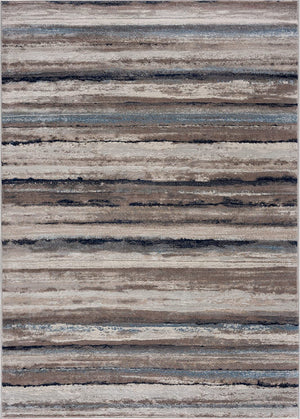
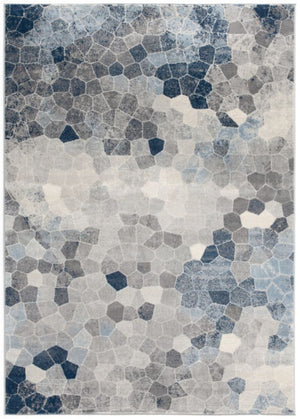
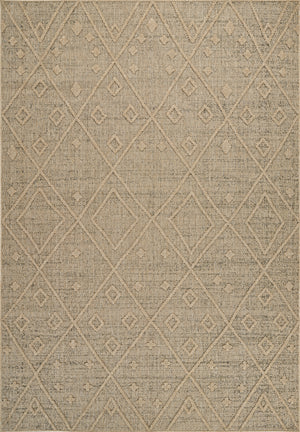
Esta guía completa y paso a paso está meticulosamente elaborada para eliminar las conjeturas y transformar tu enfoque de las alfombras de sala de estar. Entendemos la frustración de mirar infinitas opciones sin saber realmente qué funcionará. Es por eso que hemos desglosado todo el proceso en varios pasos claros y accionables. Obtendrás consejos prácticos para medir tu espacio con precisión, aprenderás información crucial sobre la colocación de los muebles en relación con la alfombra y descubrirás el impacto visual que las diferentes dimensiones de la alfombra tienen en tu sala de estar, ya sea que tu estilo sea contemporáneo, abstracto o tradicional. Proporcionaremos ejemplos visuales y consejos de expertos para asegurarnos de que no solo comprendas los principios, sino que puedas aplicarlos con confianza a tu hogar único. Prepárate para desmitificar el tamaño de las alfombras y equípate con el conocimiento para crear una sala de estar equilibrada, elegante y acogedora que se sienta perfectamente anclada.
1. Mide a fondo las dimensiones de tu sala de estar
Medir con precisión tu sala de estar es el paso fundamental para "cómo elegir el tamaño de alfombra adecuado para una sala de estar" y evita errores costosos. Comienza por despejar cualquier obstáculo que pueda impedir una medición precisa, luego usa una cinta métrica resistente para determinar la longitud y el ancho completos de la habitación, de pared a pared. Es crucial también anotar la ubicación y las dimensiones de cualquier característica arquitectónica permanente, como chimeneas, estanterías empotradas, ventanales o incluso puertas y rejillas de ventilación. Estos elementos definen el espacio útil del piso e influyen en dónde se puede colocar una "alfombra de sala de estar" sin obstrucciones. Esbozar un plano simple y etiquetar meticulosamente todas las medidas proporciona una ayuda visual para la planificación. Esta comprensión detallada de la huella de tu habitación es esencial porque te ayuda a visualizar cómo encajarán las diferentes opciones de "tamaño de alfombra", asegurando un espacio libre adecuado para las puertas y manteniendo el flujo natural del tráfico. No solo adivines; la precisión aquí guiará cada decisión posterior.
2. Define la agrupación de muebles o la "zona"
En lugar de intentar llenar toda la habitación, el siguiente paso crítico para "cómo elegir el tamaño de alfombra adecuado para una sala de estar" es definir la agrupación específica de muebles o la "zona" que deseas que la alfombra ancle. Esto generalmente implica tu arreglo de asientos principal –sofás, sillones y una mesa de centro– que forma el área de conversación central. El propósito de la "alfombra de sala de estar" es unir visualmente estas piezas individuales, creando un centro cohesivo y acogedor dentro de la habitación más grande. Sin esta definición, los muebles pueden parecer flotar sin rumbo, disminuyendo el sentido de propósito y calidez de la habitación. Una vez que tus muebles estén arreglados, observa su huella colectiva. Incluso puedes usar cinta de pintor en el piso para delinear los límites de esta zona designada. Este ejercicio te ayuda a ver el área efectiva que la alfombra necesita cubrir, asegurando que sirva como un elemento unificador en lugar de una ocurrencia tardía, seleccionando así el "tamaño de alfombra" apropiado que ancle tu espacio.
3. Comprende las reglas de "patas dentro, patas fuera" para tu estilo
Las pautas de "patas dentro, patas fuera" son cruciales para determinar el "tamaño de alfombra" ideal y lograr la estética deseada, lo que impacta directamente en "cómo elegir el tamaño de alfombra adecuado para una sala de estar".
* Todas las patas dentro: Para un aspecto grandioso, unificado y lujoso, especialmente en habitaciones más grandes, elige una "alfombra de sala de estar" lo suficientemente grande como para que todas las patas de tus muebles principales (sofá, sillones) descansen completamente sobre ella. Esto crea una isla cohesiva, asegurando que todos los elementos se sientan integrados.
* Patas delanteras dentro: Este es el enfoque más común y versátil. Las dos patas delanteras de tu sofá y sillones se asientan cómodamente sobre la alfombra, mientras que las patas traseras permanecen fuera. Esto conecta los muebles visualmente sin requerir una alfombra enorme, permitiendo que se vea más piso alrededor de los bordes y evitando que la alfombra abrume una habitación de tamaño mediano.
* Todas las patas fuera: Ideal para espacios más pequeños o cuando se usa un "tamaño de alfombra" más pequeño para simplemente definir un punto central, como debajo de una mesa de centro. Todas las patas de los muebles permanecen fuera de la alfombra, creando un efecto de "isla". Si bien puede hacer que una habitación se sienta más abierta, asegúrate de que la alfombra siga siendo proporcional a la mesa de centro y al espacio que define. Tu elección aquí dicta significativamente las dimensiones mínimas que necesita tener tu "alfombra de sala de estar".
### Consulta los tamaños de alfombras estándar y sus aplicaciones comunes
Familiarizarse con las dimensiones comunes de las alfombras es un paso inicial crucial al determinar cómo elegir el tamaño de alfombra adecuado para una sala de estar. Los tamaños de alfombra estándar como 5x8, 8x10, 9x12 y 10x14 pies están fácilmente disponibles y están diseñados para adaptarse a diseños de muebles típicos. Conocer estas dimensiones te ayuda a establecer expectativas realistas sobre lo que es factible y evitar el gasto de tamaños personalizados. Por ejemplo, una alfombra de 5x8 pies suele ser adecuada para salas de estar más pequeñas o para definir un área de asientos compacta donde solo las patas delanteras de un sofá y los sillones decorativos descansan sobre la alfombra. Una alfombra de 8x10 pies es muy versátil, perfecta para anclar la mayoría de las configuraciones comunes de salas de estar, asegurando que las dos patas delanteras de todas las piezas de asiento principales estén cómodamente sobre la alfombra. Las alfombras de sala de estar más grandes, como 9x12 o 10x14 pies, son ideales para habitaciones espaciosas, permitiendo que todas las patas de los muebles se asienten completamente sobre la alfombra, creando una sensación cohesiva y lujosa. Comprender estas aplicaciones te ayuda a reducir las opciones antes incluso de tomar medidas precisas, agilizando tu búsqueda del tamaño de alfombra perfecto.
### Planifícalo: usa cinta de pintor para visualizar
Antes de realizar una compra importante, visualiza eficazmente el tamaño de alfombra elegido "dibujándolo" directamente en el suelo de tu sala de estar. Utiliza cinta de pintor, que es fácilmente removible y no dañará las superficies, para delinear las dimensiones exactas de la alfombra que estás considerando. Para áreas más grandes, sábanas viejas o recortes de cartón también pueden servir para este propósito. La importancia de este paso en cómo elegir el tamaño de alfombra adecuado para una sala de estar no puede subestimarse; te permite evaluar la escala, la proporción y el espaciado en tiempo real dentro de tu espacio único. Una vez delineado, organiza tus muebles (sofás, sillas, mesa de centro) alrededor y sobre el área marcada con cinta. Recorre el espacio, prestando atención al flujo de tráfico, el espacio libre de las puertas y cómo la alfombra se integra con tu decoración existente. Este consejo práctico ayuda a prevenir errores costosos, asegurando que la alfombra se sienta proporcionada y funcional, en lugar de demasiado pequeña y "flotando" o demasiado grande y abrumadora para la habitación.
### Asegura un amplio espacio de borde alrededor de la alfombra
Un aspecto crítico de cómo elegir el tamaño de alfombra adecuado para una sala de estar es asegurar una cantidad apropiada de piso expuesto alrededor del perímetro de la alfombra. Este "espacio de borde" es esencial para crear equilibrio visual y evitar que la habitación se sienta abarrotada o que la alfombra parezca una moqueta de pared a pared. Apunta a tener al menos entre 30 y 45 centímetros de piso duro visible entre el borde de tus alfombras de sala de estar y las paredes en habitaciones grandes, lo que proporciona una sensación expansiva y elegante. Para habitaciones más pequeñas, un borde ligeramente más estrecho de 20 a 30 centímetros suele ser suficiente para lograr el mismo efecto equilibrado sin abrumar el espacio. Esta brecha deliberada define el área de asientos, resalta tu piso subyacente y hace que la habitación parezca más grande y diseñada con más cuidado. Si la alfombra es demasiado pequeña, puede parecer una ocurrencia tardía; si es demasiado grande sin borde, la habitación pierde definición. Utiliza el método de la cinta de pintor (del punto 5) para medir y verificar con precisión este espacio de borde alrededor de tu tamaño de alfombra planificado antes de tomar tu decisión final.
7. Ten en cuenta las vías de mucho tráfico
Al aprender cómo elegir el tamaño de alfombra adecuado para una sala de estar, es crucial trazar las vías naturales de la habitación. La alfombra debe complementar, no obstaculizar, el flujo de movimiento. Una alfombra de tamaño inadecuado que corta las zonas de mucho tráfico, obligando a las personas a pisar a medias o a salirse, crea un peligro constante de tropiezo e interrumpe la usabilidad de la habitación. Este "efecto de borde" no solo es inseguro, sino que también conduce a un desgaste prematuro de los bordes de la alfombra.
Por qué es importante: Priorizar la seguridad y la función garantiza que tu sala de estar siga siendo un espacio cómodo y sin accidentes. Una alfombra bien colocada realza el diseño de la habitación al guiar el movimiento y definir las áreas sin problemas.
Consejos prácticos e implementación:
* Observa el movimiento: Antes de comprometerte con un tamaño de alfombra, dedica tiempo a observar cómo las personas caminan naturalmente por tu sala de estar. Identifica las rutas principales desde las puertas a las áreas de asiento, o de una parte de la habitación a otra.
* Define zonas: Asegúrate de que las vías principales o bien despejen completamente la alfombra o estén completamente dentro de sus límites. Por ejemplo, si un camino principal pasa entre un sofá y una consola, la alfombra debe extenderse lo suficiente como para cubrir ese camino por completo o ser lo suficientemente corta como para dejar todo el camino en el piso desnudo.
* Márcalo con cinta: Usa cinta de pintor para delinear las dimensiones prospectivas de la alfombra en tu piso. Camina por la habitación siguiendo tus rutas habituales. ¿Se siente natural? ¿Tropiezas constantemente o evitas un borde? Esta prueba visual y física es invaluable para seleccionar el tamaño de alfombra óptimo para las alfombras de tu sala de estar.
8. Considera la escala y proporción de tus muebles
La relación entre tus muebles de sala de estar y tu alfombra es primordial para crear un espacio armonioso y equilibrado. Una alfombra que es demasiado pequeña para tus muebles puede hacer que las piezas parezcan "flotar" sin rumbo en la habitación, haciendo que un sofá grande se vea desproporcionado y sin anclar. Por el contrario, una alfombra excesivamente grande puede empequeñecer los muebles delicados, abrumando las piezas y haciendo que la habitación se sienta más pequeña de lo que es. La armonía visual es clave para que las alfombras de tu sala de estar se vean intencionales e integradas.
Por qué es importante: La escala y proporción correctas aseguran que tus muebles se sientan anclados y conectados, creando un diseño cohesivo en lugar de una colección de elementos dispares. Evita que tu habitación se vea inacabada o mal planificada.
Consejos prácticos e implementación:
* Ancla tus asientos: Una regla general para cómo elegir el tamaño de alfombra adecuado para una sala de estar es asegurarse de que al menos las dos patas delanteras de todas las piezas de asiento principales (tu sofá, sofá de dos plazas y sillones) descansen cómodamente sobre la alfombra. Esto ancla los muebles, creando una agrupación de conversación unificada.
* Mide y visualiza: Mide la longitud y la profundidad de tu sofá principal y tus sillas. Al considerar los tamaños de alfombras, asegúrate de que haya suficiente espacio para que los muebles se asienten sobre ella sin que parezcan precariamente equilibrados. Por ejemplo, una alfombra estándar de 8x10 funciona bien para un sofá más pequeño y dos sillas, mientras que un sofá seccional grande a menudo requiere una alfombra de 9x12 o incluso 10x14.
* Evita las alfombras "sello de correo": Nunca elijas una alfombra tan pequeña que se asiente completamente dentro de la huella de tu mesa de centro, aislada de todos los demás muebles. Este error común hace que una habitación se sienta desconectada y la alfombra parezca una ocurrencia tardía.
9. No olvides el espacio libre para las puertas y las obstrucciones
Antes de finalizar el tamaño y la compra de tu alfombra, es fundamental realizar una verificación exhaustiva de cualquier obstrucción física que pueda interferir con su colocación o funcionalidad. Ignorar el espacio libre de las puertas, las rejillas del piso o los elementos empotrados puede provocar problemas inconvenientes, costosos o incluso dañinos. Este paso práctico es tan importante como la estética al determinar cómo elegir el tamaño de alfombra adecuado para una sala de estar.
Por qué es importante: Pasar por alto estos detalles puede impedir que las puertas se abran libremente, bloquear el flujo de aire esencial de las rejillas de calefacción o refrigeración, o crear una superficie incómoda e irregular alrededor de los elementos empotrados. Esto afecta tanto la funcionalidad de la habitación como la longevidad de la alfombra.
Consejos prácticos e implementación:
* Mide el espacio libre de las puertas: Abre todas las puertas que abren hacia la sala de estar. Mide el espacio libre exacto entre la parte inferior de la puerta y el piso. Esta medida dicta la altura máxima del pelo que pueden tener las alfombras de tu sala de estar sin impedir el movimiento de la puerta. Recuerda tener en cuenta también el grosor de cualquier base de alfombra.
* Ubica las rejillas del piso: Identifica todas las rejillas del piso para calefacción, refrigeración o retorno de aire. Si bien una alfombra delgada puede cubrir una rejilla, generalmente es mejor evitar cubrirlas por completo para mantener una eficiencia óptima del HVAC. Si debes cubrir una, considera una alfombra muy delgada o ajusta la posición de la alfombra.
* Identifica los elementos empotrados: Busca cualquier elemento fijo como tomas de corriente en el piso, una chimenea, estanterías empotradas u otros elementos arquitectónicos inamovibles. La alfombra debe colocarse de manera que los rodee, evitando superposiciones incómodas o áreas donde la alfombra deba cortarse o doblarse. Usa cinta de pintor para delinear el tamaño de alfombra elegido y confirma que no obstruye estos puntos críticos.
En caso de duda, elige la más grande (generalmente)
Al considerar cómo elegir el tamaño de alfombra adecuado para una sala de estar, un consejo fundamental es pecar de generoso. Un error de diseño común, que a menudo se debe a una subestimación o al deseo de ahorrar dinero, es elegir una alfombra que es simplemente demasiado pequeña para el espacio. Este error hace que los muebles parezcan desarticulados, "flotando" en la habitación, y que la sala de estar en general se sienta menos lujosa y peor definida. Si te encuentras indeciso entre dos tamaños de alfombras estándar, optar por la más grande casi siempre crea un aspecto más expansivo, cohesivo y sofisticado que ancla y define eficazmente tu espacio vital.
Una alfombra más grande actúa como un ancla robusta, uniendo visualmente todos los elementos de tu arreglo principal de asientos. Por ejemplo, si estás debatiendo entre una alfombra de 8x10 y una de 9x12 para tu sala de estar, la 9x12 probablemente permitirá que al menos las dos patas delanteras de todas las piezas principales —como tu sofá, sillones y sofá de dos plazas— se asienten cómodamente en su superficie. Esta conexión es vital; establece un límite claro para tu área de conversación, evitando que las piezas de muebles individuales parezcan aisladas. Una alfombra más grande eleva toda la habitación al crear una sensación de generosidad e intención, asegurando que las alfombras de tu sala de estar realcen en lugar de restar valor a tu decoración cuidadosamente seleccionada, brindando una estética mucho más pulida e impactante.
Conclusión
Navegar por el mundo de la decoración del hogar puede parecer abrumador, pero dominar cómo elegir el tamaño de alfombra adecuado para una sala de estar no tiene por qué serlo. Hemos repasado los pasos esenciales: desde medir meticulosamente tu espacio y comprender la huella de tus muebles, hasta visualizar el impacto de las diferentes opciones de tamaño de alfombra y evitar errores comunes como elegir una alfombra demasiado pequeña. La conclusión principal es clara: la alfombra perfecta actúa como el ancla de todo tu espacio vital, creando cohesión, definiendo zonas y añadiendo calidez.
La implementación de estas pautas es más que una cuestión estética; se trata de crear un ambiente equilibrado, cómodo y que refleje verdaderamente tu estilo. Una alfombra bien proporcionada transforma una colección de muebles en un área de conversación unificada, haciendo que tu sala de estar se sienta más amplia y cuidadosamente diseñada. Eleva toda la habitación, mejorando tanto su funcionalidad como su atractivo visual, haciendo que tu inversión en alfombras de sala de estar realmente valga la pena.
Ahora que estás equipado con esta guía completa, no hay necesidad de sentirse intimidado. Da el primer paso hacia una sala de estar bellamente equilibrada. ¿Por qué no empezar hoy mismo simplemente midiendo tu sala de estar o esbozando tu disposición ideal de muebles? Visualiza el espacio, imagina las posibilidades y elige con confianza el tamaño de alfombra que elevará tu hogar. No dejes pasar otro día con una alfombra que no encaja; potencia tu espacio con proporciones perfectas y haz que tu sala de estar realmente cante.