












Best Area Rugs Under $200: A Complete Buying Guide for Every Room
Share
Best Area Rugs Under $200: A Complete Buying Guide for Every Room
Finding a beautiful, durable area rug under $200 is entirely possible — and you don't have to sacrifice style or quality to do it. Whether you're furnishing a first apartment, refreshing a bedroom, or adding warmth to a living room, there are excellent rugs at this price point in almost every size, material, and style. In this guide, you'll learn exactly what to look for when shopping for area rugs under $200, which sizes and materials offer the best value, and how to match the right rug to the right room without overspending.
What to Expect at the Under-$200 Price Point
The $200 price ceiling opens up a genuinely wide selection — from compact 3x5 accent rugs to mid-size 5x7 and even some 8x11 options when they're on sale. Understanding what drives rug pricing helps you spot real value quickly.
Construction method is the biggest cost driver. Power-loomed rugs — woven by machine on automated looms — dominate the under-$200 market, and that is not a drawback. Modern power-loom technology produces consistent pile height, tight knot density, and precise pattern registration. Hand-tufted rugs can also fall under $200 in smaller sizes and offer a more textured, artisanal look at an accessible price.
Pile material matters for both feel and longevity. Polypropylene (olefin) is the most affordable fiber and is genuinely impressive for its fade-resistance, stain-resistance, and low-maintenance upkeep — ideal for high-traffic areas. Polyester offers a softer hand feel and richer color saturation, slightly more prone to crushing under heavy furniture but excellent in lower-traffic rooms. Both materials appear throughout the under-$200 range.
For most rooms, a well-constructed polypropylene or polyester rug under $200 will look great and hold up for 5 to 10 years with basic care.
Size Guide: What $200 Buys You
One of the most common decorating mistakes is buying a rug that is too small. A properly sized rug anchors furniture, defines zones, and makes a room feel intentional. Here is what to expect at each size with a $200 budget:
| Rug Size | Typical Price Range | Best Room Use |
|---|---|---|
| 3x5 or 4x6 | $39 to $79 | Accent, entryway, beside the bed |
| 5x7 | $79 to $119 | Small living room, bedroom under queen bed |
| 6x9 | $99 to $149 | Medium living room, primary bedroom |
| 8x10 or 8x11 | $139 to $199 | Large living room, open-plan dining |
| Runner 2x6 to 2x10 | $49 to $99 | Hallway, kitchen, staircase |
The $200 budget comfortably covers a 5x7 rug with room to spare, and with deals of the week or seasonal sales, an 8x11 rug is well within reach. A 9x12 or larger at this price is rare but possible during clearance events.
Sizing rules of thumb: In the living room, all front legs of sofas and chairs should sit on the rug, with 6 to 8 inches of bare floor visible at the perimeter. For bedrooms, a 5x7 works under a twin, a 6x9 under a queen, and an 8x11 under a king — extending 18 to 24 inches on the sides and foot of the bed.
Best Materials in the Under-$200 Range
Not all fibers perform equally in every room. Here is how the most common budget-friendly options stack up:
Polypropylene is the workhorse of budget rugs. It is inherently stain-resistant because the fiber does not absorb liquids — spills bead on the surface instead of soaking in. It is also fade-resistant, making it a great choice for sun-exposed rooms or covered outdoor spaces. Expect a slightly firmer feel underfoot compared to polyester, but durability that far exceeds its price. Machine washable rugs in polypropylene take this convenience even further for busy households.
Polyester offers a softer texture and deeper color vibrancy at a similar price point, making it popular for bedrooms and living rooms where comfort and richness matter. It is less durable in high-traffic areas — pile can flatten under constant foot traffic — but in a bedroom or dining room it performs beautifully for years.
Jute and natural fiber blends at this price point add organic texture and an earthy quality that synthetics struggle to replicate. They are less stain-resistant and not suitable for wet areas, but for a dry, lower-traffic room they add genuine character. Browse jute and natural fiber rugs for earthy, eco-conscious options.
Cotton flatweave rugs are lightweight, often reversible, and frequently machine washable. They suit kitchens, casual living spaces, and rug-layering situations where you want a base layer without bulk.
Room-by-Room Budget Recommendations
Your $200 budget should be allocated strategically based on how each room is used and what it demands of a rug.
Living room: This is where your rug does the most work and gets the most attention. Stretch the budget here. A contemporary rug in a 6x9 or 8x10 made of polypropylene or polyester is worth every dollar. Bold geometric patterns and multi-color designs hide wear better than solid-color rugs, and they photograph well regardless of season.
Bedroom: This is where you can save. A plush shaggy rug in a 5x7 placed under a queen bed creates exactly the right barefoot-morning feeling at $79 to $119. Traffic is low, so a softer polyester holds up well. Saving $80 here gives you more budget for the living room or entryway.
Hallway and entryway: A quality runner rug priced $49 to $99 adds warmth and protects hardwood floors. Choose low-pile and stain-resistant construction — flatweave or tight-pile polypropylene — for easy vacuuming and long-term durability. Look at 2x6 runner rugs for standard hallway widths.
Dining room: The rug under your dining table takes food spills, chair-scraping, and constant foot traffic. A flat, low-pile rug in a stain-resistant material is the right call. Make sure it extends at least 24 inches beyond all sides of the table so chairs remain on the rug when pulled out. A 6x9 rug works for a 4-seat table; go larger for 6 to 8 seats.
Kids room: Look for machine washable, stain-resistant options with non-toxic certifications. The Kids Soft Steps Playtime Collection offers safe, soft play surfaces in the $49 to $99 range for a 4x6 or 5x7. Easy cleaning is non-negotiable here.
Best Styles for Every Decor Under $200
A limited budget does not mean limited style. These categories offer excellent variety and quality under $200:
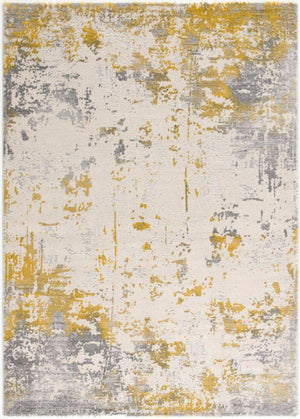
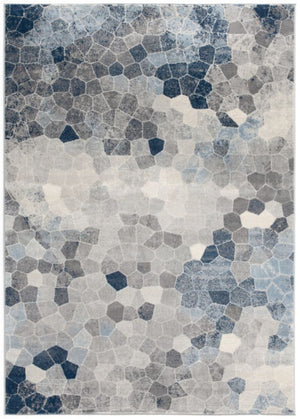
Geometric and modern abstract: Clean lines and graphic patterns coordinate with contemporary furniture and photograph beautifully in any season. The Nova Collection and Mirage Collection include geometric options across multiple price points.
Traditional and transitional: Persian-inspired medallion patterns and bordered designs add elegance without the cost of hand-knotted pieces. The Emir Collection and Majestic Collection offer richly detailed options under $200.
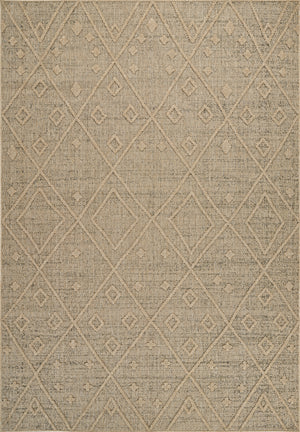
Neutral and earthy tones: Beige and taupe rugs and ivory and cream rugs are perennially popular because they work with virtually any furniture color and never date quickly. They are also the easiest to resell or re-home if your decor changes.
Bohemian and Moroccan: If you want personality and pattern, bohemian rugs and Moroccan rugs deliver bold combinations at very accessible price points, with many options well under $150.
The Rug Pad: The Accessory That Multiplies Value
Regardless of your rug budget, a rug pad is not optional — it is the accessory that makes a $150 rug perform like a $400 one. A quality non-slip pad prevents sliding and bunching, eliminating a tripping hazard. It adds cushioning underfoot so a thin rug feels plush, allows airflow under the rug to prevent moisture buildup, and protects hardwood floors from dye transfer and abrasion.
Rug pads are cut 1 inch smaller than your rug on all sides. A premium rug pad for a 5x7 runs $29 to $49, and the difference underfoot is immediately noticeable. For a deeper explanation, see why you need a rug pad for your area rug. A $40 pad under a $120 rug consistently outperforms a $160 rug without one.
How to Shop Smart: Maximising Value Under $200
Check deal sections first. Rug Branch regularly features deals of the week where full-price rugs are discounted 30 to 70 percent. An 8x10 that usually runs $249 can drop under $180 with a sale event, making it one of the most effective ways to stretch your budget.
Read pile height specifications. Pile height is measured in inches. Low pile under 0.5 inches is easy to clean and durable. Medium pile from 0.5 to 0.75 inches is comfortable for living and dining rooms. High pile above 0.75 inches is plush and warm for bedrooms and quiet spaces. Matching pile height to room use prevents disappointment after delivery.
Verify the return policy before buying. Shopping for rugs online without seeing them in person is only comfortable when returns are easy. Rug Branch offers free shipping and easy returns, so ordering with confidence and having a backup option is completely risk-free.
Order swatches when uncertain about colour. Color rendering varies significantly across screens. When in doubt about how a rug will look in your space, request a swatch before committing to the full rug — a small step that prevents large regrets.
Frequently Asked Questions
Q: Can I find a good quality 8x10 rug for under $200? A: Yes, especially during sale events. Standard pricing for an 8x10 at Rug Branch typically falls in the $139 to $199 range for polypropylene and polyester options. Check the deals of the week page for additional savings. Power-loomed construction at this size and price delivers genuine durability and looks far more expensive than it costs.
Q: What is the most durable material for a budget area rug? A: Polypropylene (olefin) is the most durable budget fiber. It is fade-resistant, stain-resistant, and holds its pile shape well under heavy foot traffic. For high-traffic areas like hallways, entryways, and living rooms with kids or pets, polypropylene is the clear choice. Pair it with a non-slip rug pad to extend its lifespan further. For a full breakdown, read polypropylene rug pros and cons.
Q: Do cheap rugs shed a lot? A: Shedding depends more on construction than price. Most polypropylene and polyester machine-made rugs shed minimally. If you are buying a shag or high-pile rug, some initial shedding is normal and decreases within the first few weeks of use and regular vacuuming. Loop-pile construction sheds less than cut-pile. Check the product specifications for shedding notes before purchasing.
Q: Is it better to buy one large rug or several smaller rugs for the same budget? A: One properly sized rug almost always looks better than multiple small rugs in the same space. A rug that is too small visually shrinks the room and disconnects furniture pieces from each other. If your budget is $150, buy the largest correct-size rug you can find rather than two accent rugs that compete with each other. See our full area rug size guide for room-by-room measurements.
Q: Does a rug pad make a budget rug feel more expensive? A: Significantly, yes. A quality rug pad adds cushioning that a thin or flat rug cannot provide on its own. It also prevents the rug from sliding, bunching at the edges, and wearing unevenly — all of which make a budget rug look and feel cheaper over time. A $40 pad under a $120 rug consistently outperforms a $160 rug placed directly on a hard floor without any padding.
Conclusion
Shopping for area rugs under $200 does not require compromising on style, quality, or durability. Choose polypropylene for high-traffic and active households, polyester for bedrooms and quieter spaces, and natural fiber blends when organic texture and sustainability are priorities. Three key takeaways: always size up rather than down, add a rug pad to multiply your investment, and check the sale section before paying full price. Ready to find your perfect match? Browse the full area rug collection at Rug Branch — with free shipping included on every order.