












Cottage & Cabin Rug Ideas: A Canadian Guide to Cosy Retreat Flooring
Share
Cottage & Cabin Rug Ideas: A Canadian Guide to Cosy Retreat Flooring
Cottage and cabin rug ideas in Canada come down to one balancing act: warmth against wear. A rug at the lake or in the woods has to feel soft underfoot on a cool northern morning, yet shrug off sandy feet, wet paws, spilled coffee, and the general chaos of a place built for relaxing rather than fussing. Get it right and a good area rug becomes the anchor of the whole room — it warms cold floorboards, softens echoey timber walls, and pulls a mismatched collection of hand-me-down furniture into something that finally feels like a retreat. In this guide you will learn which materials survive cottage life, how to size a rug for open-plan cabin living, which colours and patterns hide the mess, and roughly what you should expect to spend. Whether your getaway sits in Muskoka, the Laurentians, the Rockies near Calgary, or the woods outside Edmonton, these ideas will help you choose a rug that looks the part and lasts for seasons.
Why Cottage and Cabin Rugs Have a Harder Job
A rug in a city condo lives a gentle life. A cottage rug does not. It faces a very Canadian set of enemies: grit tracked in from a gravel path, damp from a rainy long weekend, sun streaming through big lakeside windows, and the wide temperature swings of a building that sits empty and unheated for weeks at a time. That combination is brutal on cheap, delicate rugs. Fibres fade, backings dry out and crack, and cheap dyes bleed after the first spill.
The trick is to choose for durability first and looks second — though, happily, the rustic materials that survive cottage life also happen to look wonderful in a timber or lakeside setting. Natural fibres like jute and wool, tight flatweaves, and easy-clean synthetics all earn their place. Delicate viscose, high pile shag in a mudroom, or anything with a rubber backing that will bake and crumble in a hot, closed-up cabin are the ones to avoid. Think about how the space is actually used: an entry takes abuse, a bedroom stays gentle, and a living area sits somewhere in between. Match the rug to the room's real life, not to a showroom fantasy.
The Best Materials for Cottage and Cabin Rugs
Material is the single most important decision you will make, because it determines how the rug feels, how it wears, and how easily you can clean it after a muddy weekend. Here is how the main options stack up for cabin duty.
Wool is the classic cottage choice for good reason. It is naturally warm, springs back after heavy furniture, resists soiling thanks to its lanolin coating, and holds rich, moody colours beautifully. It is the material you want underfoot on a cold morning. Explore plush, warm options in the shaggy rugs and hand-tufted rugs collections for that layered, lodge-like feel.
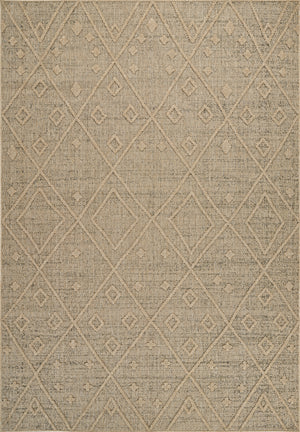
Jute and natural fibre rugs bring instant rustic texture and a neutral, earthy base that suits almost any cabin. They are hard-wearing and affordable, though they prefer dry rooms over damp mudrooms. Browse the jute and natural fibre collection for that woven, organic look.
Polypropylene (and other synthetics) are the practical workhorses — fade-resistant, stain-resistant, quick to clean, and priced for a space where you would rather not agonise over every spill. Many double as indoor-outdoor rugs, which is ideal for a screened porch or a Muskoka room.
| Material | Best cottage room | Warmth | Durability | Ease of cleaning |
|---|---|---|---|---|
| Wool | Living room, bedroom | Excellent | High | Moderate — spot clean |
| Jute / natural fibre | Living room, dining | Low | High | Moderate — keep dry |
| Polypropylene | Entry, porch, kids' area | Low–medium | Very high | Excellent — hose or wipe |
| Machine washable | Mudroom, kitchen, kids' | Medium | High | Excellent — toss in wash |
Sizing Rugs for Open-Plan Cabin Living
Most cottages and cabins lean toward open-plan living, where the kitchen, dining nook, and sitting area share one big room under a high timber ceiling. In that setting a rug that is too small is the most common mistake — a little 4×6 marooned in the centre of a large room looks like a postage stamp and makes the whole space feel unmoored.
As a rule, the front legs of your sofa and chairs should sit on the rug, tying the seating group together. For a typical cabin living area that usually means an 8×11 rug or larger; for a grand great room, step up to a 9×12 or bigger. Under a dining table, choose a rug wide enough that chairs stay on it even when pulled out. For cabin hallways, bunkie walkways, and the long run between the door and the kitchen, a runner rug protects the busiest strip of floor and adds a welcome bit of colour. When in doubt, size up — big rugs make small cabins feel more generous, not less. Our complete Canadian buying guide walks through room-by-room measurements in more detail.
Colours and Patterns That Hide Cottage Mess
A retreat should feel calm, but it also has to cope with real life — wet dogs, muddy boots, blueberry-stained fingers, and the general untidiness of a place where nobody wants to vacuum on holiday. The smartest colour strategy is one that works with the mess rather than against it.
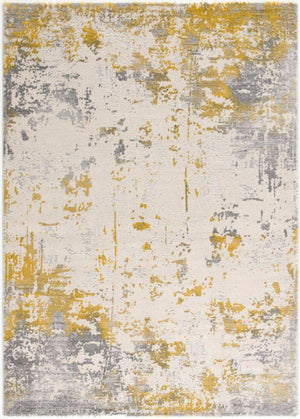
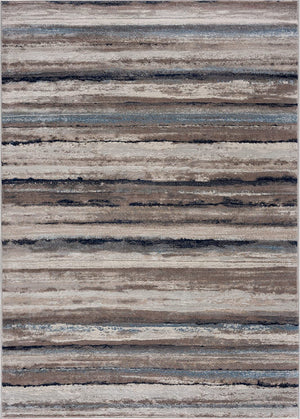
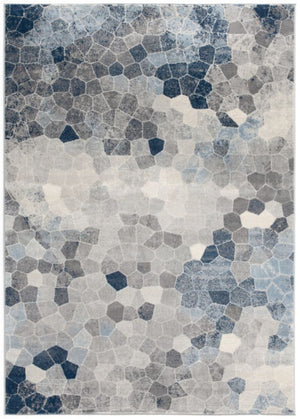
Mid-tone, multi-tonal, and earthy palettes are your friends. A rug that mixes several colours or has a subtle heathered texture will disguise crumbs and paw prints far better than a flat, pale solid. Warm greens echo the forest and pair beautifully with pine walls — see the green rugs collection. Beiges, taupes, and warm greys read timeless and hide sand and dust; the beige and taupe and earthy and natural tone collections are built for exactly this. Patterned rugs — think farmhouse checks, tribal geometrics, or faded vintage motifs — hide the most, which is why they are a cottage staple. The farmhouse rugs and rustic rugs collections lean straight into that relaxed, lived-in look. Pure ivory or charcoal solids look stunning in photos but show every speck in practice, so save them for low-traffic bedrooms.
Layering Rugs for Warmth and Character
One of the coziest cottage tricks is layering — placing a smaller, characterful rug over a larger, plainer one. A neutral jute base topped with a vintage-style wool rug adds depth, texture, and a second hit of warmth exactly where you want it, in front of the sofa or at the foot of the bed. Layering also lets you cover a big cold floor affordably: a large, inexpensive natural-fibre rug does the heavy lifting on square footage, while a smaller premium rug delivers the colour and softness up top.
Layering earns its keep in a Canadian cabin that goes cold in the shoulder seasons. Two rugs trap more air than one, so the floor genuinely feels warmer on a chilly October weekend before the woodstove gets going. Pair a flatweave or jute base with a plush shaggy rug on top, and always add a non-slip rug pad underneath so nothing slides on smooth cabin floorboards. A good pad also cushions the rug, reduces wear, and helps it last — our guide on increasing the lifespan of your area rug covers this in depth.
What Cottage and Cabin Rugs Cost
You do not need to spend a fortune to floor a getaway well, and in many rooms you actively should not — a cabin is a place to relax about spills, not to protect an investment piece. Prices vary with size and material, but here is a realistic guide to plan around.
Small accent rugs for a bunkie, entry, or bedside (3×5 or 4×6) generally start around $39–$79. Mid-size rugs for a nook or smaller sitting area (5×7 or 6×9) typically run $79–$149. The large rugs that open-plan cabins need most (8×11, 9×12, and up) usually land between $149 and $399 depending on material and pile. Runners for hallways and galley kitchens fall around $49–$129, and a quality rug pad adds $29–$79 but pays for itself in grip and longevity. A common, sensible approach is to spend a little more on the one wool rug you will feel underfoot every morning, and go budget-friendly and washable everywhere the mud actually lands. Browse the best sellers collection to see where quality and price meet.
Frequently Asked Questions
Q: What is the best rug material for a cottage that sits empty and unheated in winter? A: Choose wool, jute, or solution-dyed polypropylene, and avoid rugs with a solid rubber or latex backing. Big temperature swings and long unheated stretches cause cheap rubber backings to dry out, crack, and shed crumbs. Natural fibres and quality synthetics handle Canada's cold, empty-cabin conditions far better and bounce back once the space warms up again.
Q: How do I keep an area rug from getting mouldy in a damp lakeside cabin? A: Ventilation and the right fibre are everything. Use quick-drying synthetics or indoor-outdoor rugs in the dampest rooms, keep natural jute in drier zones, and lift rugs to air out before you close the cottage for the season. A breathable rug pad also lets air circulate underneath, which helps prevent trapped moisture and mildew on wood floors.
Q: Are jute rugs a good choice for a Canadian cabin? A: Yes, in the right rooms. Jute brings rustic texture, durability, and an earthy neutral base that suits pine and timber beautifully, and it is very affordable. Keep it in drier areas like the living or dining space rather than a wet mudroom, since natural fibres take longer to dry. It also makes an excellent base layer for a cosy layered look.
Q: What size rug do I need for an open-plan cabin great room? A: For most open-plan cabin living areas, an 8×11 rug is the practical minimum, with 9×12 or larger for grand great rooms. Aim to get at least the front legs of your sofa and chairs onto the rug so the seating group feels anchored. Under a dining table, size up so chairs stay on the rug when pulled out.
Q: Should I buy a washable rug for the cottage? A: For mudrooms, kitchens, kids' spaces, and anywhere pets pile in, absolutely. Machine washable rugs let you toss the whole thing in the wash after a muddy weekend rather than scrubbing on your knees, which is exactly the low-fuss maintenance a retreat should have. Save wool or premium pieces for the calmer bedrooms and the main sitting area.
Conclusion
Furnishing a cottage or cabin floor well comes down to three ideas. First, choose materials for real life — wool and jute for warmth and character, synthetics and washable rugs where the mud lands. Second, size generously, because open-plan cabin rooms swallow small rugs and shine with big ones. Third, lean into forgiving colours and patterns that hide the mess so you can actually relax. Do that and your rug will look inviting for years while quietly surviving everything a Canadian getaway throws at it. Ready to warm up your retreat? Start with the rustic, hard-wearing options in the farmhouse rugs collection — with free shipping across Canada and easy returns, it is simple to find the perfect fit for your cottage or cabin.