











Rug Color Ideas for Brown Furniture: 15 Combinations That Actually Work
Share
Rug Color Ideas for Brown Furniture: 15 Combinations That Actually Work
If you have brown furniture in your home, you're in good company — brown sofas, wood floors, and walnut dining tables are among the most popular choices in American and Canadian homes alike. But the challenge many homeowners face is figuring out what rug color goes with brown furniture without making the room feel muddy, heavy, or boring.
The good news: brown is one of the most versatile neutral tones you can work with. It pairs beautifully with cool blues, warm creams, earthy greens, and even bold rust tones. The key is understanding the undertone of your specific brown furniture and choosing a rug that creates contrast, warmth, or visual interest without competing.
In this guide, you'll learn exactly which rug colors work best for brown sofas, wood floors, and dark or light brown furniture — plus room-by-room advice, a comparison table, and the combinations to avoid.
Understanding Brown Undertones Before You Shop
Not all brown is the same. A walnut dining table has cool, almost grey-brown tones. A saddle leather sofa leans warm and red-orange. Medium oak flooring often has golden honey undertones.
Before choosing a rug color, hold a paint swatch or fabric sample next to your furniture in natural daylight. Ask yourself:
- Is the brown warm or cool? Warm browns have orange, red, or yellow hints. Cool browns lean toward grey or taupe.
- Is the brown light or dark? A dark espresso sofa creates more contrast opportunities than a medium caramel one.
- What other colors are already in the room? Existing accent pillows, curtains, and wall colors will influence what reads as harmonious versus clashing.
Once you know your brown's undertone, you can make a confident color choice rather than guessing at the store. This single step eliminates most rug-furniture mismatches before they happen.
The 6 Best Rug Colors for Brown Sofas
1. Navy Blue and Deep Teal
Navy is arguably the single best rug color for a brown sofa. It provides a strong, cool contrast that grounds the room, and the classic pairing of navy and brown has been a staple of interior design for decades. Look for a navy area rug with geometric or traditional patterns to add visual complexity without overwhelming the room.
Teal works especially well with warm-toned brown sofas — think caramel leather — where the blue-green creates a rich, earthy palette that feels both modern and cozy. Deep teal rugs with a high-low pile construction add tactile interest while maintaining a sophisticated look.
Best rug size: For a typical living room sofa arrangement, an 8'x11' rug or 9'x12' rug ensures the front legs of your sofa and side chairs all rest on the rug, anchoring the entire seating area as one cohesive zone.
2. Ivory, Cream, and Off-White
Light-coloured rugs create a high-contrast, fresh look against dark brown furniture. An ivory or cream rug is particularly effective in smaller rooms where you want to open up the space visually. The light tones bounce light around the room while the brown furniture adds warmth and anchoring weight.
For high-traffic living rooms, choose a power-loomed polypropylene rug with a low pile. Stain-resistant construction means a cream rug stays looking clean even with regular family use, and fade-resistant fibers keep the light tones from yellowing over time.
3. Sage Green and Earthy Olive
Green rugs pair beautifully with brown furniture, especially warm or medium browns. Sage green in particular is having a major moment in 2026 interior design, and it bridges the gap between earthy and refined effortlessly. An olive or sage rug with a brown sofa creates a nature-inspired palette that feels grounded and cohesive — like bringing the outdoors in through a color story.
Browse the green rug collection at Rug Branch for flatweave and low-pile options in sage, olive, and forest tones that pair perfectly with wood and brown upholstery. These rugs work especially well in homes with natural wood accents, linen cushions, and botanical decor.
4. Rust and Terracotta
For a warmer, more bohemian look, rust and terracotta rugs are a natural complement to brown furniture. The warm orange and red tones in terracotta echo the undertones in many brown leathers and wood finishes, creating a monochromatic but richly layered look that never feels flat.
This combination works especially well in dining rooms and bedrooms where you want the space to feel inviting and intimate. A terracotta-toned rug with an abstract or geometric pattern adds a Southwestern or Mediterranean flair that pairs naturally with wooden furniture and exposed beams.
5. Grey for Cool-Toned Browns
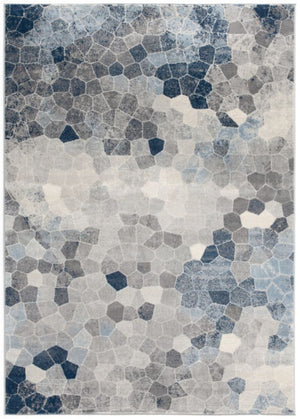
If your brown furniture has cool or grey-brown undertones — think driftwood, taupe, or greige — then a medium grey rug can create a seamlessly tonal look. Grey rugs in geometric or abstract patterns add visual interest without competing with the furniture's cool palette.
The key is to ensure both the grey rug and the brown furniture share similar cool undertones. Pair a blue-grey rug with a grey-brown sofa and the result feels intentionally tonal. Avoid pairing warm-toned brown furniture with a cool grey rug, as competing undertones create a disjointed, unresolved look.
6. Multi-Coloured and Bohemian Patterns
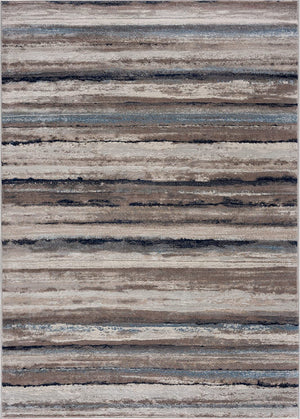
If you're hesitant to commit to one color, a multi-coloured rug solves the problem by incorporating several tones at once. Look for rugs that include brown, navy, cream, and rust in the same pattern — these transition pieces anchor the room while pulling together multiple accent colors from cushions, curtains, and artwork.
The Havana Collection and Moroccan-style rugs are excellent choices here, as their rich woven patterns are designed to work with earthy, warm furniture palettes. The multi-tonal construction also makes them highly forgiving — if your furniture or wall color shifts slightly, the rug still works.
Rug Colors for Brown Wood Floors
Brown hardwood floors operate differently from brown furniture because the rug sits directly on top of the floor rather than beside it. The goal is to create a clear contrast layer that defines the room's zones rather than blending into the floor.
For dark hardwood (walnut, dark oak, espresso): Choose lighter-value rugs — ivory, light grey, pale sage, or warm beige. These create strong contrast that defines the space and prevents the room from feeling heavy.
For medium hardwood (natural oak, maple, honey pine): Any of the six colors above work well, with navy and deep teal being particularly striking against golden-toned wood. Avoid very warm oranges or yellows, which can clash with the honey undertones of natural oak.
For light wood (whitewashed, birch, light ash): Darker rugs anchor the room and prevent it from looking washed out. A deep navy, charcoal, forest green, or rich burgundy creates a bold, grounded look that reads beautifully against pale wood.
A critical note: always use a non-slip rug pad on hardwood or tile floors. A quality rug pad protects the floor finish from abrasion, prevents the rug from sliding, and adds cushioning underfoot. Starting around $29–$49, rug pads extend the life of both your rug and your flooring while dramatically improving how the rug feels and sits.
Dark vs. Light Brown Furniture: A Color Matching Framework
| Furniture Tone | Best Rug Colors | Colors to Avoid |
|---|---|---|
| Dark espresso / walnut | Ivory, cream, light grey, pale sage | Dark navy or charcoal (too heavy overall) |
| Medium caramel / warm oak | Navy, rust, terracotta, sage green | Pure white (shows dirt, high-maintenance) |
| Light tan / honey brown | Charcoal, deep teal, forest green, burgundy | Beige or cream (too little contrast) |
| Cool grey-brown / driftwood | Medium grey, slate blue, mauve | Warm rust or orange (undertone clash) |
| Red-brown / mahogany | Navy, hunter green, cream, dusty rose | Yellow, orange, or bright red |
Room-by-Room Styling Guide
Living Room: Prioritize contrast and size. A dark leather sofa looks stunning on an ivory or cream rug. A medium brown sectional pairs beautifully with navy or teal in a geometric pattern. For large living rooms, go with an 8'x11' rug to anchor the entire seating arrangement — having at least the front legs of all furniture on the rug is the standard interior design rule.
Bedroom: Brown bedroom furniture — including wood bed frames and walnut nightstands — benefits from softer, more tonal rug choices. A sage green, dusty blue, or warm ivory rug under the bed creates a spa-like, restful atmosphere. For a king bed, look for a 9'x12' area rug that extends 18–24 inches beyond the sides and foot of the frame.
Dining Room: Brown dining tables and chairs need a rug that defines the area and hides crumbs gracefully. A flatweave or low-pile rug in navy, slate, or terracotta is the most practical choice, as chairs can be easily slid in and out without catching on long fibers. Read our area rugs for dining room guide for exact sizing rules based on your table dimensions.
Home Office: For a brown wood desk setup, a grey or navy rug creates a professional, grounded aesthetic. A 5'x7' rug is typically the right size for a standard home office configuration, and a low-pile flatweave allows desk chair wheels to roll smoothly.
Colors to Avoid with Brown Furniture
- Bright yellow or orange with warm brown: These create a clashing, oversaturated palette when paired with furniture that already has warm undertones.
- Brown-on-brown without sufficient contrast: Unless you're skilled at tonal layering, a mid-tone brown rug under mid-tone brown furniture looks flat and unresolved. If you love earthy tones, use rust or terracotta instead — distinct enough to read as intentional layering.
- Very pale grey against warm brown: Cool grey and warm brown don't naturally harmonize unless there's a clear bridge color (like cream or ivory) elsewhere in the room.
- Bright pink or lavender: These cool, light tones can look jarring against the earthiness of most brown furniture unless the room has a very intentional maximalist design direction.
Frequently Asked Questions
Q: What is the best rug color to pair with a dark brown leather sofa? A: The most universally flattering choice is ivory or cream, which creates crisp, high-contrast visual separation and makes the room feel open and fresh. Navy blue is an equally strong choice, providing a rich, sophisticated pairing that interior designers frequently use. Both options are available in stain-resistant polypropylene or natural wool constructions at Rug Branch, making either practical for a daily-use living room with regular foot traffic and occasional spills.
Q: Can I use a brown rug with brown furniture? A: Yes, but only if you vary the tone and texture significantly. A very light tan flatweave rug under a dark espresso sectional works because the value contrast — light versus dark — reads clearly across the room. However, a medium brown rug under a medium brown sofa creates a muddy, undifferentiated look. If you love warm, earthy tones, consider rust, terracotta, or caramel instead — they carry the same warmth but register as distinct layers rather than blending into one.
Q: Does a grey rug go with brown furniture? A: It depends entirely on the undertone of your brown furniture. Cool grey rugs work beautifully with brown furniture that has grey-taupe undertones — driftwood, weathered wood, or greige upholstery. However, if your furniture is a warm, orange-toned brown like caramel leather or natural oak, a cool grey rug creates a competing undertone clash that makes the room feel unresolved. In that case, opt for a warmer neutral like cream, sage green, or a muted rust tone.
Q: What size rug should I get under a brown sectional sofa? A: For a standard sectional, an 8'x11' or 9'x12' area rug is the right starting point — all major seating pieces should have their front legs resting on the rug. For an L-shaped sectional in a large room, you may need to go even larger or layer two rugs strategically. Our complete rug size guide covers every furniture configuration with specific measurements for getting it right.
Q: Are patterned or solid rugs better for brown furniture? A: Patterned rugs often work better because they introduce multiple colors simultaneously, reducing the risk of a single-color mismatch. A traditional Persian rug, a geometric pattern in navy and cream, or a transitional rug with warm earthy tones all integrate naturally with brown furniture without requiring a perfect color match. Solid rugs work well when the color contrast is very strong — such as a deep navy solid rug under a caramel leather sofa where the contrast is undeniable.
Conclusion
Choosing the right rug color for brown furniture comes down to three key decisions: identify whether your brown is warm or cool, choose a rug that creates clear contrast or harmonious tonal layering, and size the rug properly for the room. The three most reliable colors — navy, ivory/cream, and sage green — work with virtually every shade of brown furniture and are available across a wide range of price points and pile heights.
When shopping, prioritize stain resistance, fade-resistant construction, and non-slip backing — especially for rugs placed on hardwood floors where a quality rug pad is essential for both safety and longevity.
Browse Rug Branch's full collection to find your perfect match, or explore the best sellers for the top-rated styles that consistently work in real homes. Free shipping on every order makes it easy to find your ideal combination.