








Best Outdoor Rugs for Spring Patio: The Complete 2026 Buying Guide
Share
Spring has a way of coaxing us back outside. The moment temperatures climb and the days grow longer, patios, decks, and balconies transform from forgotten storage spaces into proper living rooms under the sky. But before you haul out the furniture and string up the lights, there is one foundational decision that shapes the entire look and feel of your outdoor space: the rug. The right outdoor rug anchors your seating arrangement, defines zones on a sprawling deck, adds color against weathered wood or concrete, and — critically — handles whatever spring and summer throw at it. Rain, UV exposure, muddy feet, pollen, and spilled lemonade are all fair game. This guide walks you through every dimension of that decision: materials, sizes, styles, pile heights, and the specific features that separate a rug that looks great in April from one that still looks great in September. Whether you are outfitting a compact apartment balcony or a 400-square-foot wraparound porch, you will find actionable, specific advice here.
Why the Right Material Is Everything Outdoors
Walk into any home goods store and you will find rugs marketed as "outdoor rugs" that range wildly in quality and suitability. The first and most important variable is material — because no amount of beautiful pattern compensates for a rug that mildews, fades, or disintegrates after one wet season.
Polypropylene (also marketed as olefin) is the gold standard for outdoor use. It is a synthetic thermoplastic fiber that is inherently hydrophobic — water does not absorb into the fiber itself, it rolls off or dries rapidly. Polypropylene is also UV-resistant by nature, meaning it holds color even under direct sun exposure over multiple seasons. It is stain-resistant, easy to clean with a garden hose, and produced in flatweave, loop pile, and even cut-pile constructions that mimic the look of far more delicate indoor fibers. If you can only remember one thing from this guide, remember this: for a rug that will spend most of its life in direct sun and rain, polypropylene is your answer.
Natural fibers like jute, sisal, and seagrass are a more nuanced story. Jute and natural fibre rugs look absolutely stunning — warm, organic, earthy — and they work beautifully on covered patios and screened porches where they are shielded from direct rain. But they absorb moisture, which leads to mold and mildew in humid climates or wet conditions. If your patio is fully covered and your climate is dry or moderate, a natural fibre rug can be a gorgeous, low-cost option with excellent texture. If your deck gets rained on regularly, save the jute for indoors and go synthetic outside.
Recycled PET (polyethylene terephthalate) is worth mentioning as an eco-conscious alternative. These rugs are woven from recycled plastic bottles, and the best versions are nearly indistinguishable from conventional polypropylene in both look and performance. They carry the same UV-resistant and stain-resistant credentials, with the added sustainability narrative.
Avoid wool, cotton, and viscose entirely for any rug that will be exposed to moisture. These natural and semi-natural fibers absorb water deeply, dry slowly, and are highly susceptible to mold, mildew, rot, and color bleeding outdoors.
How to Size Your Outdoor Rug Correctly
Sizing is the mistake most people make — and it is a costly one because rugs are not easy to return once you have placed them outside. The general principle is the same indoors and out: go bigger than you think you need. A too-small rug looks like a postage stamp under your furniture and actually makes the space feel smaller rather than larger.
For a standard four-person outdoor dining set (table plus four chairs), an 8x10 area rug is the minimum workable size. The goal is to keep all chair legs on the rug even when chairs are pulled out for sitting — typically that requires at least 24 to 30 inches of rug extending beyond each side of the table. At an 8x10, you achieve that with most standard 36-inch round or 60-inch rectangular dining tables.
For a conversation seating area — two chairs, a sofa, and a coffee table — the same 8x10 rule applies, with all front legs of the seating on the rug. If your sectional or sofa is large, consider stepping up to a 9x12.
For smaller spaces — a bistro table with two chairs on a balcony, for example — a 5x8 or even a 4x6 can work beautifully. The key is ensuring the rug defines the zone; if it is so small that the chairs sit entirely off it, you have lost the visual anchor effect.
Runner rugs in the 2x8 or 2.5x10 range are excellent for narrow deck corridors, side passages, or entryways into a screened porch. They add warmth and wayfinding without overwhelming the space.
Always measure your actual outdoor space before ordering. Account for the furniture footprint, the path you need to walk around it, and any physical boundaries like railings or planters.
The Best Styles for a Spring Patio Refresh
Spring decorating is about energy — the relief of winter's end, the return of color, the lightness of longer days. Your rug should reflect that energy. Here are the styles that perform best for spring patio settings and why.
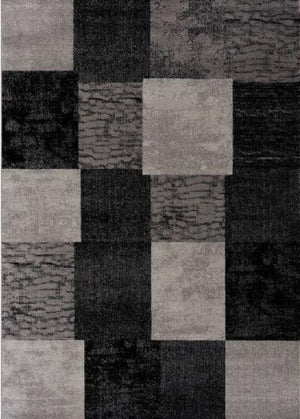
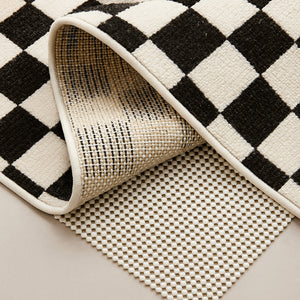
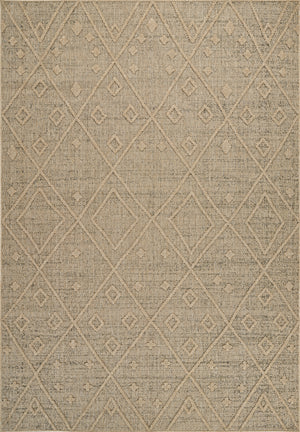
Geometric patterns are a top performer in outdoor settings for several practical and aesthetic reasons. Clean lines and bold repeating shapes — chevrons, diamonds, lattice, Moroccan tile — read as crisp and modern from a distance, which matters more outdoors than indoors because you are often viewing the full expanse of the rug at once. Geometric rugs also have the advantage of hiding small debris, dried leaves, and surface dirt between cleaning sessions, because the busy patterning camouflages minor soiling. They work beautifully with metal furniture, woven rattan pieces, and clean-lined teak.
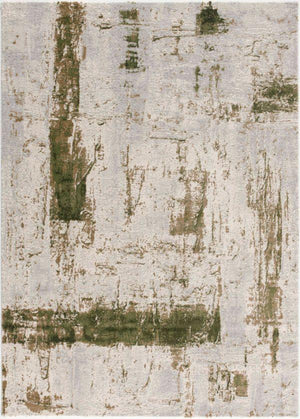
Boho and vintage-inspired patterns are having a sustained moment in outdoor decor. Faded medallions, distressed over-dye looks, tribal-inspired motifs — these styles create a lived-in, layered aesthetic that feels inviting rather than formal. Boho and vintage rugs in outdoor-safe polypropylene let you achieve the warm, eclectic look of a well-traveled collector without worrying about rain damage. Pair them with mismatched cushions in terracotta, sage, and dusty pink for a full spring boho moment.
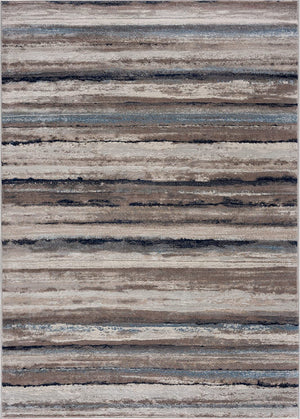
Stripes are a perennial outdoor classic — nautical, preppy, or resort-inspired depending on your color palette. They are particularly effective on rectangular spaces because the directional lines can either elongate or widen the perceived footprint depending on orientation.
Solid colors should not be underestimated. A solid indigo, terracotta, sage green, or warm ivory rug lets the furniture, cushions, and plants do the talking. In smaller spaces where a pattern might overwhelm, a solid high-quality flatweave in the right color can be exactly the grounding element you need.
Construction Details That Determine Durability
Beyond material, how a rug is constructed determines how it holds up over years of high-traffic use, sun exposure, and outdoor conditions.
Flatweave construction is ideal for outdoor use. With no pile to trap moisture, debris, or insects, flatweave rugs dry faster, clean more easily, and resist mold more effectively than pile rugs. They are also lighter, making them easier to shake out, hose down, and reposition as needed. Most high-quality outdoor rugs use flatweave or a very low pile height (under 0.25 inches) for exactly these reasons.
Power-loomed construction produces tight, consistent weaves with excellent durability at lower price points. For outdoor use, this is a practical advantage — you are not paying a premium for hand-crafted artisanship in a context where the rug may need to be replaced every three to five years anyway due to general outdoor wear.
Non-slip backing is a safety and functional necessity for outdoor rugs, especially on smooth surfaces like painted wood decks, composite decking, tile patios, or polished concrete. Look for rugs with a latex or rubberized non-slip backing, or plan to use a separate outdoor rug pad underneath. Note that standard indoor rug pads are not appropriate outdoors — they absorb moisture and deteriorate quickly. Use pads specifically rated for outdoor use.
UV-resistant dyes and treatments are what separate outdoor-rated rugs from indoor ones sold as outdoor options. True UV resistance means the color is either solution-dyed (color is injected into the fiber before weaving, so it cannot fade out) or treated with UV-blocking coatings. Solution-dyed polypropylene is the most fade-resistant option available at any price point.
Edge finishing matters too. Look for serged, bound, or heat-sealed edges rather than raw-cut edges that will fray, especially on flatweave constructions that are prone to unraveling if improperly finished.
Polypropylene vs. Natural Fibre: The Full Comparison
This comparison comes up in nearly every outdoor rug conversation, so it deserves a full breakdown rather than a one-liner.
Polypropylene outdoor rugs: Best for uncovered or partially covered patios. Excellent in all climates including humid coastal regions and rainy Pacific Northwest environments. UV-resistant, stain-resistant, mold-resistant, easy to clean. Low-maintenance — a garden hose and mild soap is all that is required for most cleaning. Available in almost every style, color, and size. Can feel slightly less luxurious underfoot compared to natural materials. Price range: broad, from budget flatweaves at $50 for a 5x8 to premium woven designs over $400 for a 9x12.
Natural fibre outdoor rugs (jute, sisal, seagrass): Best for covered patios, screened porches, and dry climates. Exceptional natural texture and organic warmth. Biodegradable and environmentally responsible. Generally more affordable per square foot. Not moisture-tolerant — will mold, mildew, and deteriorate if exposed to regular rain or humidity. Not stain-resistant — absorbs spills quickly. Require more maintenance and should be brought inside or stored during wet seasons. Ideal for mild, dry climates where they can serve as a bridge between indoor and outdoor aesthetics without significant weathering risk.
The short answer: if your outdoor space is exposed to precipitation at all, choose polypropylene. If it is fully covered and you live somewhere dry, natural fibre is a beautiful, tactile, low-cost option worth considering. Many of the jute and natural fibre rugs at Rug Branch are ideal for covered porches — just be honest with yourself about your specific climate and coverage situation before committing.
Maintenance, Storage, and Extending Rug Life
Even the most durable outdoor rug requires basic maintenance to stay looking its best. The good news: low-maintenance is one of the core selling points of quality outdoor rugs, and keeping them clean is genuinely simple.
Weekly maintenance: Shake out or vacuum (without a beater bar) your rug weekly, or after any windstorm that deposits debris. For flatweave polypropylene rugs, a leaf blower works surprisingly well to clear surface debris quickly.
Monthly deep clean: Lay the rug flat, hose it down thoroughly, apply a mild dish soap or dedicated outdoor rug cleaner with a soft-bristle brush, scrub gently, and rinse completely. Allow the rug to dry fully — ideally in the sun — before placing it back under furniture. Never fold a damp rug for storage; always roll it.
Stain treatment: For fresh spills, blot immediately with a clean cloth — do not rub, which spreads the stain. For dried stains on polypropylene, most respond well to a diluted white vinegar and water solution or a mild oxygen-based cleaner. Avoid bleach on patterned or colored rugs as it can strip dyes even on solution-dyed synthetic fibers over time.
End-of-season storage: Clean the rug thoroughly, allow it to dry completely, roll it (never fold), and store it indoors in a dry location. Storing a damp rug causes mold even on synthetic fibers. A quality storage bag or breathable wrap prevents dust accumulation during winter months.
Rug rotation: If your rug receives uneven sun exposure — one end in full sun, one end shaded — rotate it 180 degrees every few weeks to ensure even UV exposure and prevent one-sided fading.
Shopping Smart: What to Look for at Rug Branch
Rug Branch is a Canadian and American online rug retailer offering a wide selection of indoor and outdoor rugs with free shipping and easy returns across both markets. Here is how to shop their outdoor collection effectively for spring.
First, filter by material. The outdoor collections at Rug Branch include polypropylene flatweaves and loop piles specifically rated for exterior use. Look for the outdoor or weather-resistant label on the product page and confirm the material in the description.
Second, use size guides. Product pages at Rug Branch include room visualizer tools and clear dimension information. For an outdoor dining area, start your filter at 8x10 and work up or down based on your measured space.
Third, read the reviews with geography in mind. A reviewer in Phoenix has a very different outdoor environment than one in Vancouver or Boston. Look for reviews from climates similar to yours — humid, dry, coastal, snowy — to get the most relevant durability feedback.
Fourth, take advantage of free shipping and easy returns. Rugs are notoriously hard to evaluate from photographs alone — the actual scale, texture, and color rendition can differ from expectations. Rug Branch's return policy makes it practical to order two size options and return the one that does not work, rather than guessing and being stuck with the wrong choice.
Fifth, consider bundles. Ordering an outdoor rug and a coordinating rug pad together eliminates the non-slip backing guesswork and ensures material compatibility from the start.
Frequently Asked Questions
Q: Can I leave an outdoor rug out in the rain?
A: If your rug is made from solution-dyed polypropylene or recycled PET, yes — it is designed to get wet and dry quickly without damage. Flatweave constructions drain and dry especially fast. However, you should still allow the rug to dry fully before prolonged storage, and avoid leaving any rug sitting in standing water for extended periods, as even synthetic materials can develop mildew on their backing if kept continuously wet. Natural fibre rugs like jute should not be left in the rain under any circumstances.
Q: What size outdoor rug do I need for a dining table for 6 people?
A: For a six-person dining table, you need a minimum of 9x12 to ensure all chair legs stay on the rug even when chairs are pulled out. For a 72-inch or 84-inch rectangular table, measure the table dimensions and add 48 to 60 inches to each dimension (24 to 30 inches per side) to get your minimum rug size. An 8x10 is workable for a four-person setup but will feel crowded with six chairs. When in doubt, size up — a larger rug always looks more intentional than a too-small one.
Q: How do I keep an outdoor rug from blowing away on a windy deck?
A: Start with a non-slip rug pad specifically rated for outdoor use — these add weight and friction that significantly reduce movement in moderate wind. For windy areas, use rug anchor tape or furniture weight alone (keeping heavy pieces fully on the rug perimeter). In very high-wind situations, some homeowners use furniture cups or anchor clips at the corners. Flatweave rugs with non-slip backing tend to perform better in wind than lighter pile rugs because of their lower profile and greater density.
Q: Are outdoor rugs safe for composite decking?
A: Generally yes, but with a caveat. Composite decking manufacturers typically recommend using breathable rug pads rather than solid rubber-backed rugs directly on the surface, as trapped moisture can potentially cause surface staining or interfere with the composite material over time. Use a breathable, outdoor-rated rug pad between the rug and your composite deck, ensure the rug dries between rain events, and lift the rug periodically to allow the decking surface to air out.
Q: How do outdoor rug needs differ between US and Canadian climates?
A: The core material requirements — UV-resistant, stain-resistant, polypropylene or recycled PET construction — are the same on both sides of the border. The main regional variable is winter storage. In Canada and the northern US, outdoor rugs should be cleaned and stored indoors before the first hard freeze, as freeze-thaw cycles can degrade backing materials and cause fiber brittleness over time. In humid climates — both southern US and coastal Canada — mold and mildew resistance takes on extra importance, so prioritize fast-drying flatweave constructions and rugs with antimicrobial-treated backing.
Conclusion
The best outdoor rug for your spring patio is the one that suits your specific space, climate, and style — not the most expensive option or the one that photographs best online. For most people in most outdoor environments, a solution-dyed polypropylene flatweave in the correct size for their furniture configuration is the right answer. It will handle rain, sun, foot traffic, and years of spring-to-fall outdoor living without demanding much in return. Browse the full outdoor rugs collection at Rug Branch to find your match, with free shipping and easy returns on both sides of the border making the decision low-risk. Your patio deserves a foundation as good as everything else you are putting on it.